Books & Comics
Marvel Sets New Jean Grey Solo Series for November
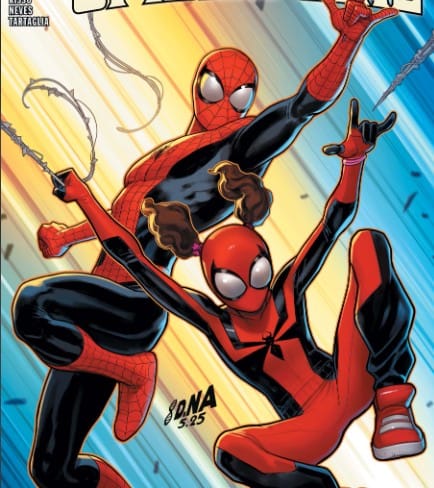
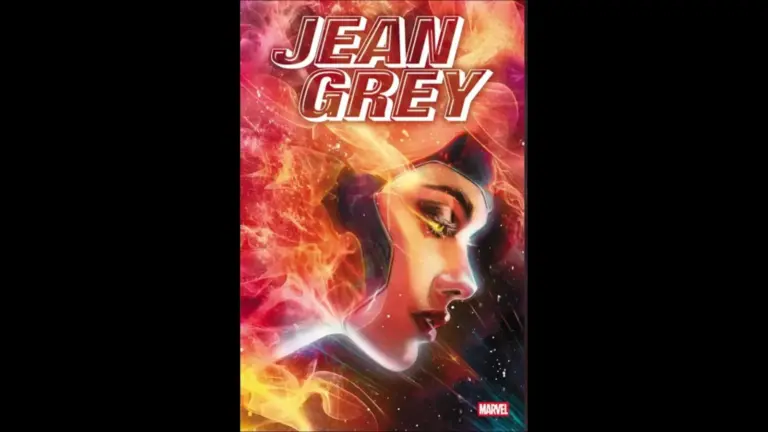
Marvel Comics has announced a new Jean Grey solo series, a five-issue limited run written by Jed MacKay with art by Rogê Antônio, according…
Every Marvel headline in one place — MCU movies and TV, Marvel Comics, and Marvel games.
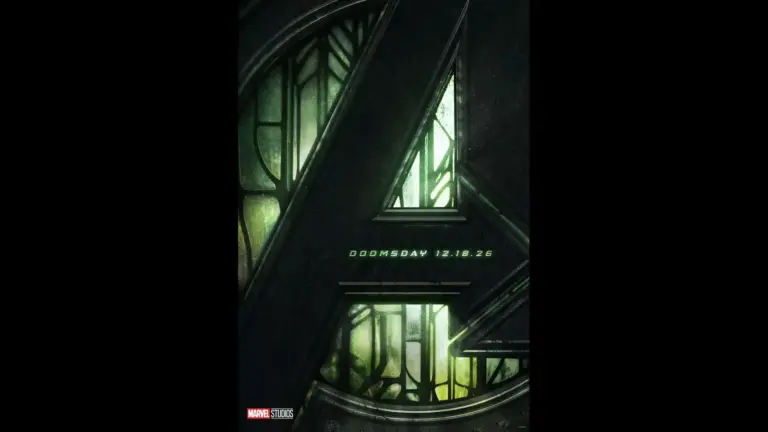
The Multiverse Saga earned Marvel its first real wave of fatigue complaints, and Kevin Feige's team has spent the last two years visibly course-correcting: fewer Disney+ spin-offs treated as mandatory homework, a harder editorial pass on scripts, and the Russo brothers brought back specifically to give “Avengers: Doomsday” the connective-tissue stakes that “The Marvels” and “Quantumania” lacked.
Our read: Marvel's bigger problem was never Robert Downey Jr.'s absence, it was that the multiverse premise let the studio write itself out of consequences. Doomsday's whole pitch — variants, the Russos, a cast this stacked — only works if the stakes finally feel irreversible again. We're cautiously optimistic, not because Marvel has earned it back yet, but because the course correction is real and specific rather than a marketing reset.
If you only follow one MCU thread right now, make it how the studio folds in the X-Men and Fantastic Four without repeating the Phase 4 mistake of treating a crossover as the plot instead of the payoff.
Marvel began as a comic-book publisher in 1939 and spent decades building one of the largest connected casts of characters in fiction, from Spider-Man and the X-Men to the Avengers. Since Disney's 2009 acquisition of Marvel Entertainment, the brand has grown into a multi-format entertainment engine spanning theatrical films, streaming series, video games, and the comics line that started it all.
The Marvel Cinematic Universe, launched with Iron Man in 2008, pioneered the modern idea of a shared movie universe told across interconnected films and spin-off shows, organized by Marvel Studios into numbered "Phases." Outside the MCU, other studios have adapted Marvel properties over the years, including Sony's Spider-Man films and earlier X-Men and Fantastic Four series produced by 20th Century Fox before those rights returned to Marvel Studios.
Today Marvel's output goes well beyond the movie theater. Marvel Studios' Disney+ series extend MCU storylines between films, Marvel Comics continues publishing dozens of ongoing titles every month, and Marvel Games licenses the characters out to major studios for console, PC and mobile releases rather than developing most titles in-house. Marvel Entertainment also runs a large licensing business covering toys, apparel and collectibles, which brings in revenue independent of any single film's box office.
Creatively, Marvel Studios' films are made under close coordination from a small group of executives who track continuity across the whole slate, a process the studio has described publicly as planning years of films and shows in advance. That long-range planning is what lets a minor supporting character introduced in one property return as a lead elsewhere, a structure that has become one of the MCU's defining traits compared to earlier, more standalone approaches to superhero films.
Marvel's predecessor imprints introduce early heroes before the company rebrands as Marvel Comics in 1961, kicking off the Stan Lee/Jack Kirby/Steve Ditko era that creates the Fantastic Four, Spider-Man, the X-Men, and the Avengers.
Marvel licenses characters to outside studios, resulting in Sony's Spider-Man trilogy and 20th Century Fox's X-Men and Fantastic Four franchises, while Marvel itself focuses on comics and TV.
Marvel Studios self-finances Iron Man, launching the MCU and building toward Avengers: Endgame across 23 interconnected films in Phases One through Three.
Following Disney's purchase of 21st Century Fox, Marvel Studios regains the X-Men and Fantastic Four film rights and expands into episodic Disney+ series alongside its ongoing film slate.
Has served as the MCU's chief creative architect since the first Iron Man film, shaping the franchise's shared continuity across its numbered Phases and Sagas.
Marvel's longtime writer-editor whose character collaborations with artists like Jack Kirby and Steve Ditko built the foundation of the modern Marvel universe.
Artist and co-plotter behind many of Marvel's earliest superhero teams, credited with much of the visual style that defined the company's house look.
Oversees the ongoing comic-book line that remains the source material Marvel Studios and other adaptations continue to draw from.
Longtime producer and studio executive working alongside Feige on the day-to-day production of Marvel Studios' film and TV slate.
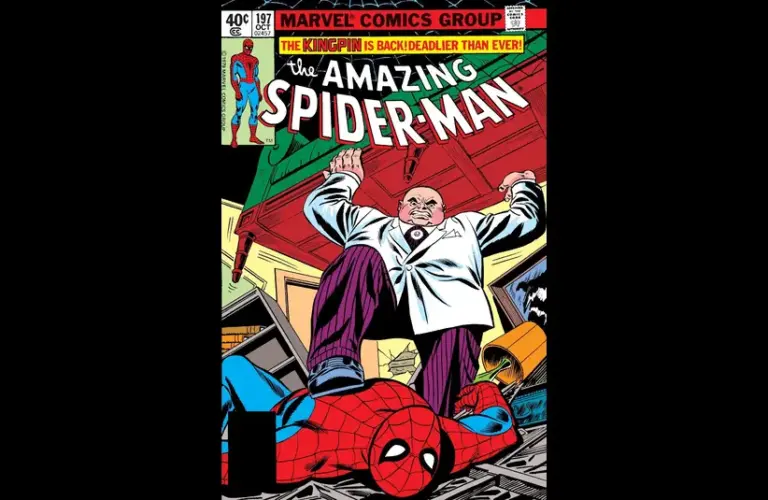
Created by Stan Lee and Steve Ditko, Spider-Man became Marvel's flagship character and the centerpiece of its best-known comics and films.
Created by Stan Lee, Larry Lieber, Don Heck and Jack Kirby. The character launched the MCU in 2008's Iron Man.
Created by Joe Simon and Jack Kirby, predating most of Marvel's modern lineup by two decades.
Adapted from Norse mythology by Stan Lee, Larry Lieber and Jack Kirby.
Created by Stan Lee and Jack Kirby.
Created by Stan Lee and Jack Kirby as Marvel's first major Black superhero.
Created by Roy Thomas, Len Wein and John Romita Sr., later a central X-Men member.
Created by Stan Lee and Steve Ditko.
Created by Gerry Conway and John Buscema; later took on the Captain Marvel identity in the comics.
Created by Stan Lee and Jack Kirby.
Created by Jim Starlin; the character behind the comics' Infinity Gauntlet storyline that partly inspired the MCU's Infinity Saga finale.
Created by Stan Lee and Jack Kirby; long considered one of Marvel's defining villains.
Created by Stan Lee and Jack Kirby.
Adapted from Norse mythology by Stan Lee, Larry Lieber and Jack Kirby; has shifted between villain and antihero across comics and film.
Created by Stan Lee and Steve Ditko.
Created by Joe Simon and Jack Kirby, debuting alongside Captain America himself.
Created by Roy Thomas and John Buscema.
Created by Stan Lee and John Romita Sr.
Created by David Michelinie and Todd McFarlane.
| Title | Year | Notes |
|---|---|---|
| Iron Man | 2008 | Launched the Marvel Cinematic Universe |
| The Avengers | 2012 | First major team-up crossover film |
| Spider-Man: Homecoming | 2017 | Brought Spider-Man into the MCU via a deal with Sony |
| Avengers: Endgame | 2019 | Capped the 23-film Infinity Saga |
| Deadpool & Wolverine | 2024 | First R-rated film produced inside the MCU |
| Disney acquisition (2009) | The Walt Disney Company bought Marvel Entertainment for roughly $4 billion |
|---|---|
| Box office milestone | The MCU became the first film franchise to pass $10 billion in combined worldwide box office |
| Standout release | Avengers: Endgame (2019) ranks among the highest-grossing films ever released |
| Top animated Marvel-licensed film | Spider-Man: Across the Spider-Verse (2023) is the highest-grossing film in Sony's Spider-Verse animated series, surpassing 2018's Into the Spider-Verse, which itself passed $300 million worldwide and won the Academy Award for Best Animated Feature |
| Best-selling comic issue | X-Men #1 (1991) holds the Guinness World Record for best-selling comic book issue in history, with roughly 8 million copies sold |
| Most-watched Disney+ series | Nielsen streaming data has identified Loki as Marvel Studios' most-watched series on Disney+ |
Marvel's overall revenue spans more than box office — Marvel Entertainment also earns from comic-book publishing, licensing (toys, apparel, games) and home-video/streaming. The Spider-Verse films are produced by Sony Pictures Animation under license from Marvel, not by Marvel Studios itself. Because figures like these shift with every new release and each tracking firm (Nielsen, Comichron, Guinness) measures differently, treat them as sourced milestones rather than a single live running total.
Marvel Comics is the publishing arm that started the entire company in 1939 and still releases ongoing monthly titles for its core characters today. Beyond the flagship Marvel Universe continuity, the publisher has used alternate imprints over the years — such as Ultimate Marvel in the 2000s — to retell its characters' origins for new readers without disrupting the main comic-book timeline.
Several of the MCU's biggest films draw loosely on landmark comic-book crossover events, though the screen versions typically change major plot details, characters and outcomes from their printed source material.
| Storyline | Era | Notes |
|---|---|---|
| Secret Wars | 1984–1985 | One of Marvel's first company-wide crossover events, later revisited in later sequels |
| The Infinity Gauntlet | 1991 | Crossover that inspired the Infinity Saga's film finale |
| Civil War | 2006–2007 | Hero-registration crossover that loosely inspired Captain America: Civil War |
| House of M | 2005 | Reality-altering crossover built around the Scarlet Witch |
| Ultimate Marvel imprint | Launched 2000 | Separate continuity that reimagined core characters for modern readers |
| Compared To | Key Difference |
|---|---|
| DC | Marvel built the MCU as one continuous shared timeline across films and shows; DC's screen properties have moved between a similarly interconnected model and more standalone, director-driven films. |
| Star Wars | Marvel's universe follows a much larger cast of individually headlined heroes releasing on an annual cadence, while Star Wars centers on one connected saga and its spin-off era. |
| Harry Potter / Wizarding World | Marvel puts out frequent new films and series across many characters; Wizarding World expansions have been far less frequent and tied mainly to a single core story. |
Stan Lee appeared in a brief cameo in nearly every MCU film up until his passing in 2018, a tradition fans still track across rewatches.
Marvel Studios groups its films and shows into numbered "Phases," which are themselves grouped into larger "Sagas" — a structure fans use to debate pacing and quality across eras.
Marvel popularized the modern blockbuster habit of hiding extra footage after the credits, often teasing the next film or team-up.
The studio's shift toward multiverse storytelling has let it bring back actors in new roles and reference Marvel films made outside the MCU in past decades.
Marvel (formally Marvel Entertainment) is the parent brand that owns Marvel Comics, the original publisher, and Marvel Studios, which makes the interconnected Marvel Cinematic Universe films and Disney+ series.
No. Sony Pictures still produces its own Spider-Man-adjacent films (like the Venom series) under a licensing arrangement, even though Spider-Man himself now also appears in MCU films.
Most fans either follow theatrical release order, which tracks how the story was told over time, or a curated chronological order grouped by Phase and Saga for a more timeline-accurate watch.
Marvel Studios groups its interconnected films and Disney+ shows into numbered Phases, which are themselves grouped into larger story arcs called Sagas, as a way of organizing the shared timeline.
No. Marvel Entertainment, which includes Marvel Studios and Marvel Comics, is a subsidiary that The Walt Disney Company acquired in 2009 — it operates as its own brand within Disney.
20th Century Fox held the film rights to the X-Men and Fantastic Four for years before Disney's 2019 purchase of Fox's entertainment assets returned those characters to Marvel Studios.
Marvel Comics is the original publishing arm that has produced the source material since 1939; Marvel Studios is the separate production company that adapts those comics into films and television.
Shows originally produced for Netflix, such as Daredevil and Jessica Jones, were made with looser ties to the mainline film continuity than Marvel Studios' own Disney+ series.
The bulk of Marvel Studios' film and television library streams on Disney+, though some older licensed films and shows are split across other platforms depending on distribution rights.
A Phase is a smaller grouping of a handful of films and shows; a Saga spans multiple Phases and represents a larger overarching story, such as the Infinity Saga or the Multiverse Saga.
Marvel Comics has announced a new Jean Grey solo series, a five-issue limited run written by Jed MacKay with art by Rogê Antônio, according…
Marvel fans have plenty to be excited about following the latest announcements at New York Comic Con 2026. As the MCU continues to expand…
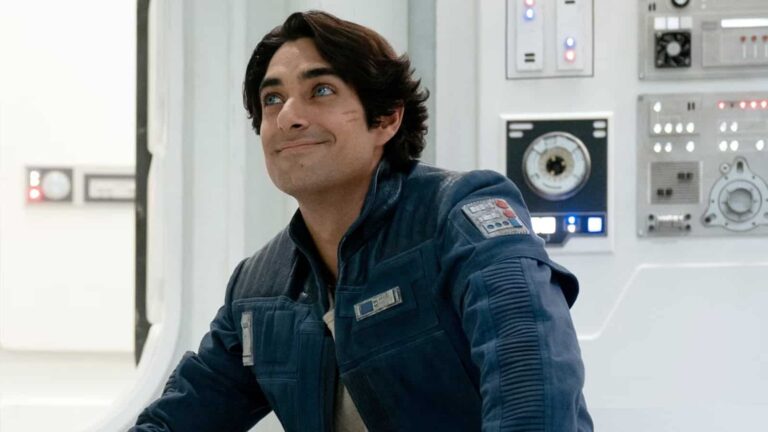
Marvel Comics has confirmed Ezra Bridger's return in a new limited series that bridges the gap between the first two seasons of Ahsoka. Star…
Wizards of the Coast announced Magic: The Gathering | Marvel: Darkhold Destiny, a new Universes Beyond set, during a panel at New York Comic…
Marvel Comics and Webtoon will launch a new digital comics app on Nov. 16, 2026, giving readers access to more than 35,000 issues from…
The Amazing Spider-Man #1000 became the first Marvel superhero series to reach 1,000 issues. Released Sept. 30, it topped bestseller charts.
The Disney+ Vidio bundle pairs Marvel, 'Star Wars' and K-dramas with Premier League and Champions League soccer in Indonesia. Here's what's included so far.
Marvel Studios has made another potential casting move for the MCU’s “X-Men” reboot, which is scheduled to hit theaters on May 5, 2028. Asa…
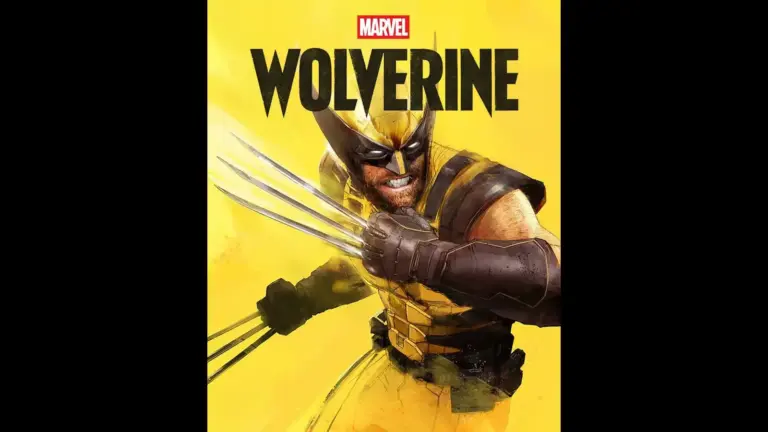
Wolverine has always been a guy who solves his problems with his fists, and usually his claws, too. The upcoming video game from Insomniac…
Marvel Studios has announced three movies scheduled for release after “Avengers: Secret Wars,” giving fans an early look at what’s coming for Marvel Phase…
While “Superman & Lois” fans had plenty of love for the actress, Inde Navarrette had an unforgettable performance in “Obsession.” The film did well…
In momentum from the huge Hall H presentation at last month’s San Diego Comic-Con, Marvel made its presence felt at the recent D23 event…
Marvel Studios has made another potential casting move for the MCU’s “X-Men” reboot, which is scheduled to hit theaters on May 5, 2028. Asa…
Marvel Studios has announced three movies scheduled for release after “Avengers: Secret Wars,” giving fans an early look at what’s coming for Marvel Phase…
While “Superman & Lois” fans had plenty of love for the actress, Inde Navarrette had an unforgettable performance in “Obsession.” The film did well…
In momentum from the huge Hall H presentation at last month’s San Diego Comic-Con, Marvel made its presence felt at the recent D23 event…
A company hired by Marvel was fined $160,000 by the city of San Diego, California, for displaying a sign promoting “Avengers: Doomsday” during last…
It looks like Marvel Studios has gotten closer to casting its team of mutants, as Deadline reported on Friday, July 31, that Samara Weaving…
Mahershala Ali was confirmed to star in a “Blade” reboot in the MCU during a surprise appearance at Comic-Con in 2019. However, the movie…
Marvel’s Comic-Con presentation made two huge announcements with its future projects on the horizon for 2028. The major comic book movie tentpoles featured the…
Chris Evans said he resisted repeated offers to bring Steve Rogers back to the Marvel Cinematic Universe until the timing and the story felt…
Marvel Studios returned to Hall H on Saturday night with an energetic panel that mixed nostalgia, a little bit more casting, surprise casting, and…
Marvel Studios president Kevin Feige said the studio has sketched a long-term film plan that reaches up to 2042, a wide roadmap that aims…
Marvel Studios has continued to keep significant details about “Avengers: Doomsday” close at hand, only revealing that the crossover is anticipated to have far-reaching…
The Disney+ Vidio bundle pairs Marvel, 'Star Wars' and K-dramas with Premier League and Champions League soccer in Indonesia. Here's what's included so far.
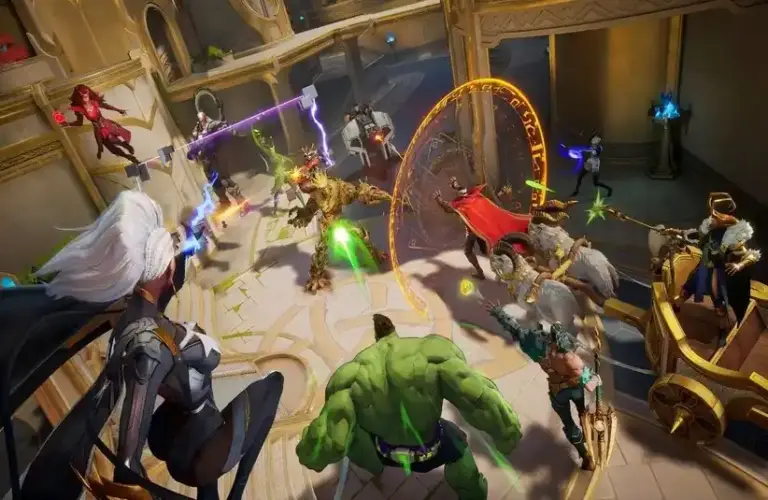
Marvel Rivals is pumping updates out like it’s nothing, and the season 7.5 update is dropping real soon. Season 7 launched on March 20th…
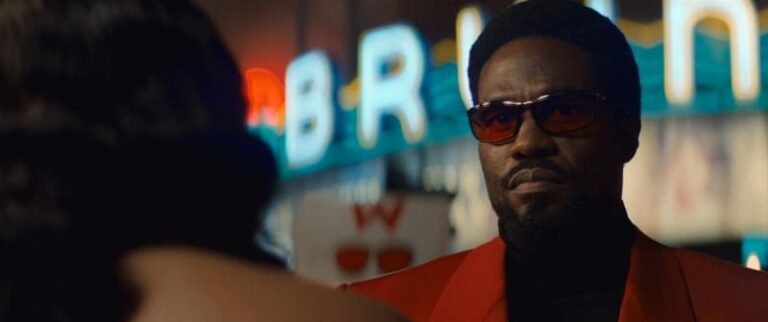
Marvel Studios dropped the first teaser for Wonder Man, which is now set to premiere in January next year. Yahya-Abdul Mateen II as Wonder…
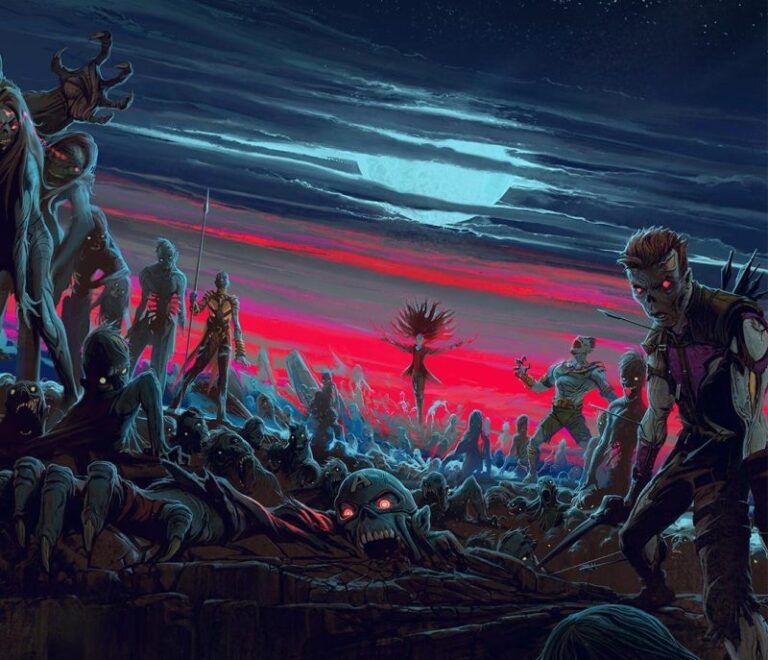
There’s a Marvel treat coming just in time for Halloween. The new trailer for the Marvel Zombies animated miniseries dropped on YouTube, and it…
There’s continued buzz among Marvel enthusiasts now that Marvel Animation has officially released Marvel Zombies’ first trailer. Marvel’s new buoyant series has a darker…
The upcoming Disney+ animated series Marvel Zombies is generating a lot of buzz, with official announcements and some leaks swirling around among Marvel fans…
Ironheart marked the end of the Marvel Cinematic Universe’s Phase 5. This means that The Fantastic Four: First Steps will be the beginning of Marvel…
Marvel Animation has finally dropped a teaser for the much-anticipated Eyes of Wakanda mini-series. Since it’s a teaser, it doesn’t reveal much. But it’s enough.…
Just yikes. While we do love Marvel and pretty much almost everything in the MCU, once in a while Marvel will put out some…
James Spader nearly asked for a change to the way Ultron, the AI villain, is introduced in “VisionQuest,” then watched the show with his…
Halloween TV shows streaming this October include new specials, horror series and classics on Disney+, Hulu, Netflix, Peacock and Paramount+.
Charlie Cox says Daredevil: Born Again's early plan to treat Netflix characters as variants confused viewers instead of working as intended.
Wizards of the Coast announced Magic: The Gathering | Marvel: Darkhold Destiny, a new Universes Beyond set, during a panel at New York Comic…
Wolverine has always been a guy who solves his problems with his fists, and usually his claws, too. The upcoming video game from Insomniac…
Fans of Marvel Rivals have a massive opportunity to stack up in-game currency and unlock a treasure trove of cosmetics. NetEase is bringing back…
Get ready, Marvel fans, because Marvel Rivals is back with another update in version 20260402. In the last update, NetEase released season 7 for…
Marvel Rivals has a ban problem on its hands, or more accurately, a ban and a name problem. One player, going by the username…
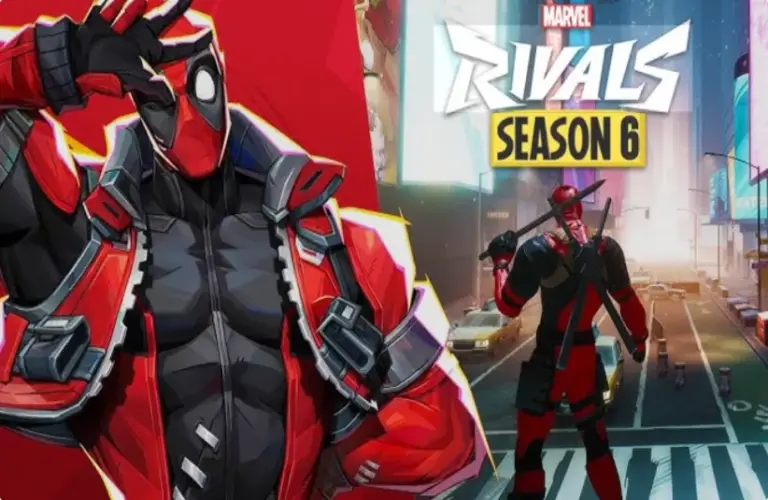
Marvel Rivals has just unveiled its newest and most anticipated character, Deadpool, and they did not disappoint fans of the game. As a fan-favorite…
Marvel Rivals has recently found itself in a bit of a pickle, and NetEase is scrambling to address a glaring exploit. Some crafty players…
The most anticipated character of Marvel Rivals, Deadpool, is officially arriving with the season 6 launch. The news comes from Marvel Rivals devs NetEase…
If you’ve been following the Ignite Series or glued to the Marvel Rivals Championship in 2025, you know the potential is there. The plays,…
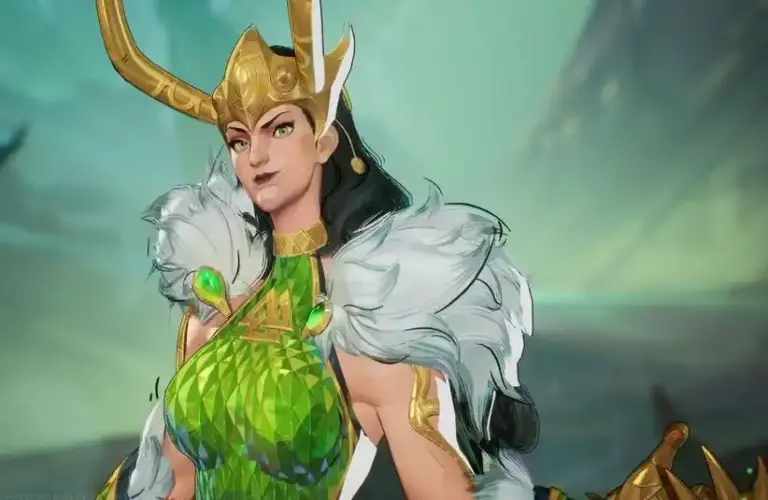
Marvel Rivals is kicking off the new year by introducing Lady Loki as the newest character to join the dozens of Marvel characters already…
“Marvel Rivals” revealed its plans for Season 6 at The Game Awards, confirming the arrival of two heavily rumored characters. As the popular hero…
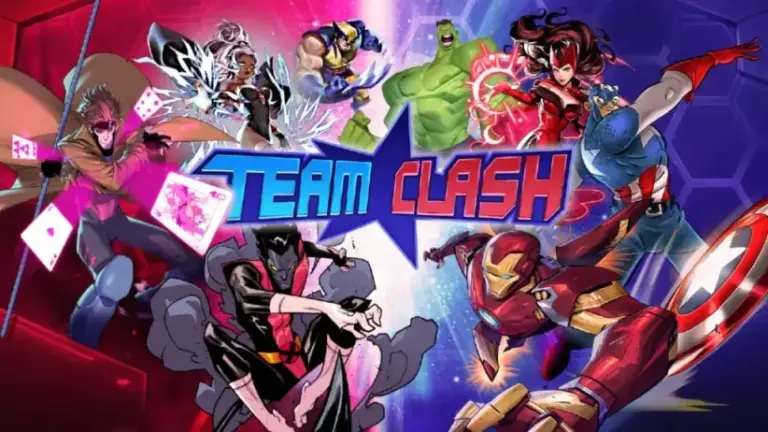
Marvel Snap is set to introduce a brand-new limited-time mode in December that pays homage to classic comic book team-ups. The new mode, called…
Marvel Comics has announced a new Jean Grey solo series, a five-issue limited run written by Jed MacKay with art by Rogê Antônio, according…
Marvel fans have plenty to be excited about following the latest announcements at New York Comic Con 2026. As the MCU continues to expand…
Marvel Comics has confirmed Ezra Bridger's return in a new limited series that bridges the gap between the first two seasons of Ahsoka. Star…
The Amazing Spider-Man #1000 became the first Marvel superhero series to reach 1,000 issues. Released Sept. 30, it topped bestseller charts.
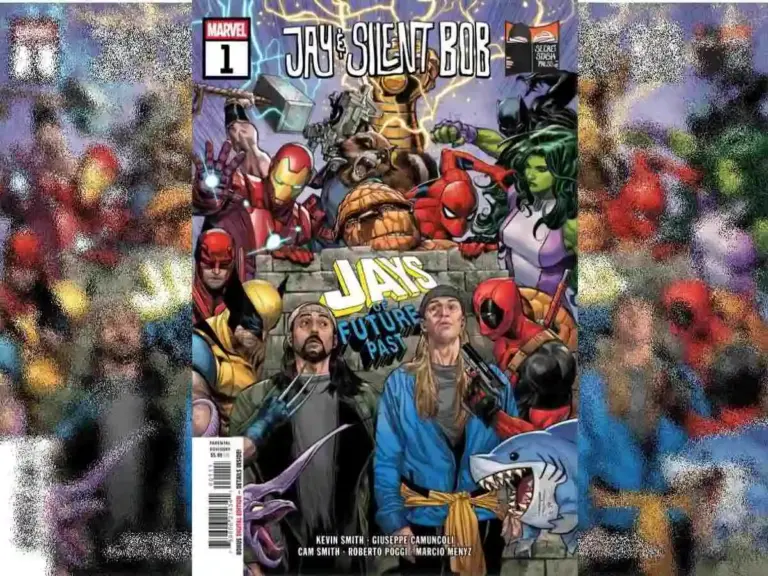
“Jay & Silent Bob: Jays of Future Past” has landed, and it’s exactly the kind of joyful, unhinged comic book crossover that only Kevin…
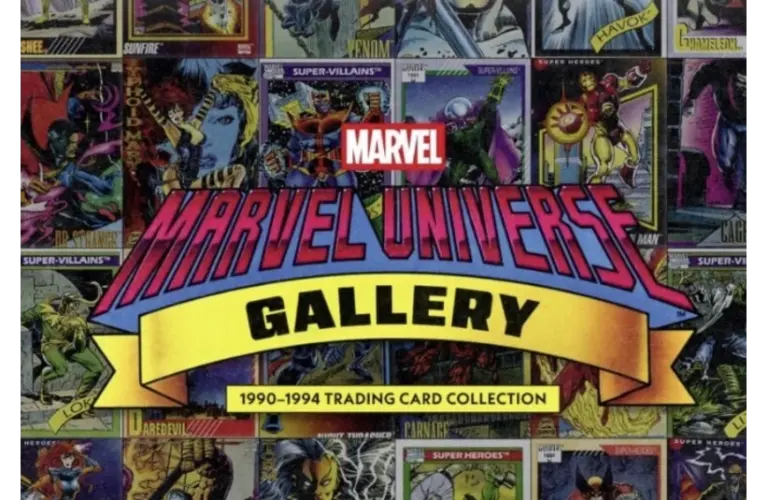
If you grew up collecting Marvel trading cards in the early ’90s, you probably still remember the smell of that fresh pack. The crinkle…
Of all the potential crossovers that probably weren’t on your bingo card this year or any other, “Planet of the Apes vs. Fantastic Four…
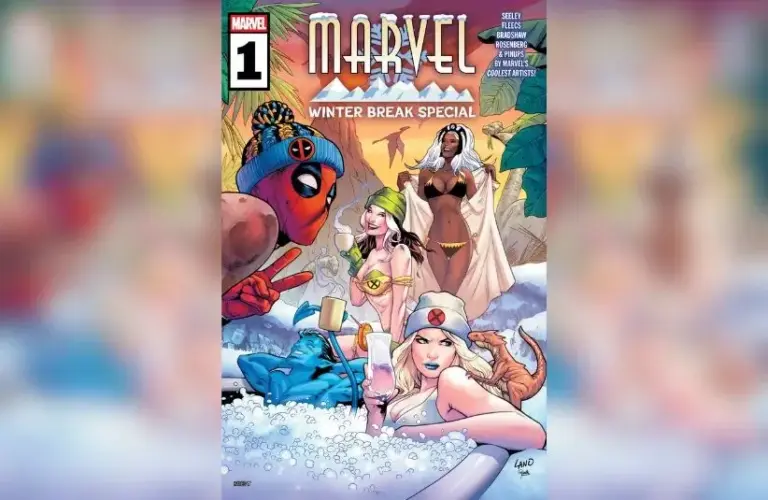
Marvel’s “Winter Break Special” returns with a splash for the 2025 holiday season, offering fans a festive one-shot that combines seasonal fun with classic…
Marvel Comics just made a power move that DC should be sweating over. Acclaimed writer Phillip Kennedy Johnson, the mastermind behind some of the…
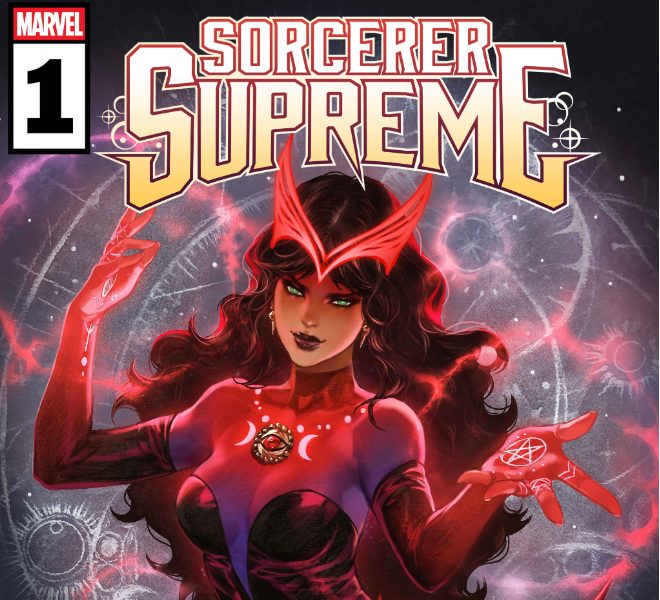
For fervent fans of the Scarlet Witch, this is the moment you’ve been waiting for: a transformative leap for Wanda Maximoff that turns the…
Marvel’s “Spider-Girl #5“ kicks off with a jolt: the hulking crime lord Tombstone has made a brazen pitch, setting the stage for shifting alliances…
Throughout the years, we’ve seen countless mind-boggling stories brought to us by Marvel Comics. They mostly feature the superheroes and villains created by the…
Electronic Arts is shutting down BioWare and canceling the next Mass Effect game, laying off roughly 400 employees across the company, according to Polygon...
Kris Bowers is composing the original Hexed movie score for Disney's animated film, which hits theaters Nov. 25 with Hailee Steinfeld starring.
Magic: The Gathering published a Mystery Booster Commander Edition update bulletin detailing rulebreaker, meld and battle rule changes for players.
A new software project called PS5X lets an Xbox Series X boot and play a handful of PlayStation 5 games, but the workaround only…
Cody Rhodes wants a “Street Fighter” sequel, and he is not being subtle about it. The man who plays Guile in the new movie…
Streaming services loaded up this week with new seasons and series premieres, giving viewers plenty of options for what to watch this weekend streaming…