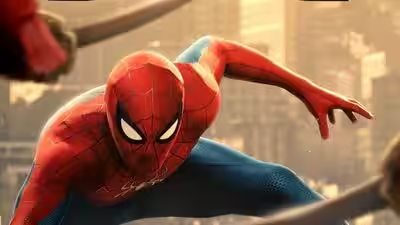
About Marvel
Marvel began as a comic-book publisher in 1939 and spent decades building one of the largest connected casts of characters in fiction, from Spider-Man and the X-Men to the Avengers. Since Disney's 2009 acquisition of Marvel Entertainment, the brand has grown into a multi-format entertainment engine spanning theatrical films, streaming series, video games, and the comics line that started it all.
The Marvel Cinematic Universe, launched with Iron Man in 2008, pioneered the modern idea of a shared movie universe told across interconnected films and spin-off shows, organized by Marvel Studios into numbered "Phases." Outside the MCU, other studios have adapted Marvel properties over the years, including Sony's Spider-Man films and earlier X-Men and Fantastic Four series produced by 20th Century Fox before those rights returned to Marvel Studios.
Today Marvel's output goes well beyond the movie theater. Marvel Studios' Disney+ series extend MCU storylines between films, Marvel Comics continues publishing dozens of ongoing titles every month, and Marvel Games licenses the characters out to major studios for console, PC and mobile releases rather than developing most titles in-house. Marvel Entertainment also runs a large licensing business covering toys, apparel and collectibles, which brings in revenue independent of any single film's box office.
Creatively, Marvel Studios' films are made under close coordination from a small group of executives who track continuity across the whole slate, a process the studio has described publicly as planning years of films and shows in advance. That long-range planning is what lets a minor supporting character introduced in one property return as a lead elsewhere, a structure that has become one of the MCU's defining traits compared to earlier, more standalone approaches to superhero films.
History
1939–1960s
Timely & Atlas Comics
Marvel's predecessor imprints introduce early heroes before the company rebrands as Marvel Comics in 1961, kicking off the Stan Lee/Jack Kirby/Steve Ditko era that creates the Fantastic Four, Spider-Man, the X-Men, and the Avengers.
1990s–2000s
Licensed film era
Marvel licenses characters to outside studios, resulting in Sony's Spider-Man trilogy and 20th Century Fox's X-Men and Fantastic Four franchises, while Marvel itself focuses on comics and TV.
2008–2019
Infinity Saga
Marvel Studios self-finances Iron Man, launching the MCU and building toward Avengers: Endgame across 23 interconnected films in Phases One through Three.
2019–present
Multiverse Saga & Disney+
Following Disney's purchase of 21st Century Fox, Marvel Studios regains the X-Men and Fantastic Four film rights and expands into episodic Disney+ series alongside its ongoing film slate.
Key People
Kevin Feige
President, Marvel Studios
Has served as the MCU's chief creative architect since the first Iron Man film, shaping the franchise's shared continuity across its numbered Phases and Sagas.
Stan Lee
Co-creator, Spider-Man, X-Men, Avengers
Marvel's longtime writer-editor whose character collaborations with artists like Jack Kirby and Steve Ditko built the foundation of the modern Marvel universe.
Jack Kirby
Co-creator, Fantastic Four, X-Men
Artist and co-plotter behind many of Marvel's earliest superhero teams, credited with much of the visual style that defined the company's house look.
C.B. Cebulski
Editor-in-Chief, Marvel Comics
Oversees the ongoing comic-book line that remains the source material Marvel Studios and other adaptations continue to draw from.
Louis D'Esposito
Co-President, Marvel Studios
Longtime producer and studio executive working alongside Feige on the day-to-day production of Marvel Studios' film and TV slate.
Heroes & Villains
Heroes
Spider-Man (Peter Parker)
Amazing Fantasy #15, 1962
Created by Stan Lee and Steve Ditko, Spider-Man became Marvel's flagship character and the centerpiece of its best-known comics and films.
Iron Man (Tony Stark)
Tales of Suspense #39, 1963
Created by Stan Lee, Larry Lieber, Don Heck and Jack Kirby. The character launched the MCU in 2008's Iron Man.
Captain America (Steve Rogers)
Captain America Comics #1, 1941
Created by Joe Simon and Jack Kirby, predating most of Marvel's modern lineup by two decades.
Thor
Journey Into Mystery #83, 1962
Adapted from Norse mythology by Stan Lee, Larry Lieber and Jack Kirby.
Hulk (Bruce Banner)
The Incredible Hulk #1, 1962
Created by Stan Lee and Jack Kirby.
Black Panther (T'Challa)
Fantastic Four #52, 1966
Created by Stan Lee and Jack Kirby as Marvel's first major Black superhero.
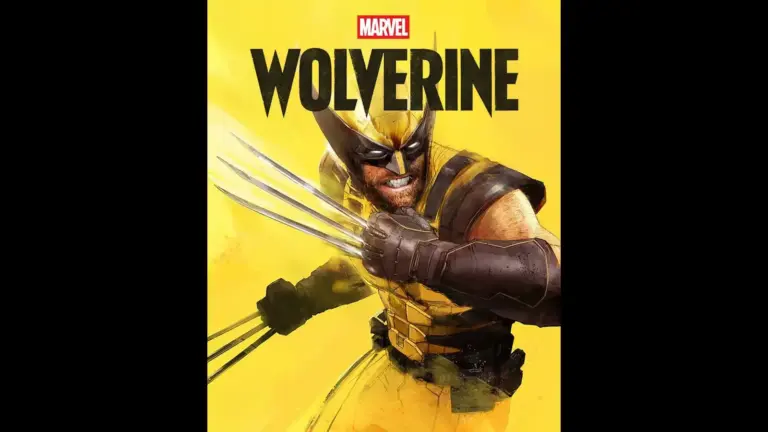
Wolverine
The Incredible Hulk #180, 1974
Created by Roy Thomas, Len Wein and John Romita Sr., later a central X-Men member.
Doctor Strange
Strange Tales #110, 1963
Created by Stan Lee and Steve Ditko.
Captain Marvel (Carol Danvers)
Ms. Marvel #1, 1977 (as Ms. Marvel)
Created by Gerry Conway and John Buscema; later took on the Captain Marvel identity in the comics.
Scarlet Witch (Wanda Maximoff)
X-Men #4, 1964
Created by Stan Lee and Jack Kirby.
Villains
Thanos
Iron Man #55, 1973
Created by Jim Starlin; the character behind the comics' Infinity Gauntlet storyline that partly inspired the MCU's Infinity Saga finale.
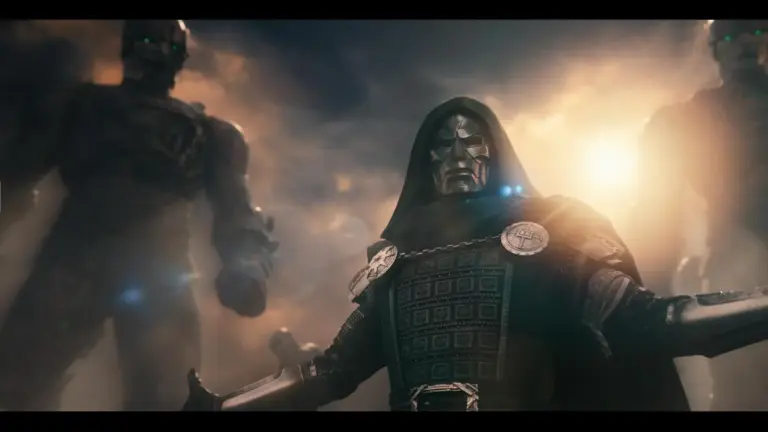
Doctor Doom (Victor Von Doom)
Fantastic Four #5, 1962
Created by Stan Lee and Jack Kirby; long considered one of Marvel's defining villains.
Magneto
X-Men #1, 1963
Created by Stan Lee and Jack Kirby.
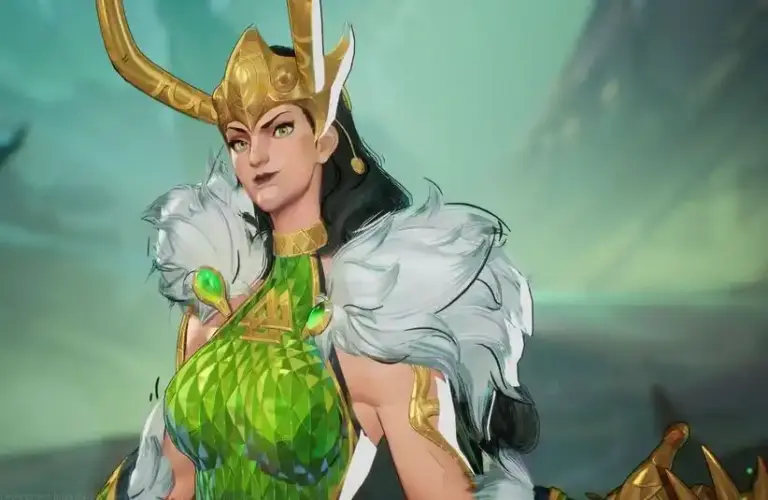
Loki
Journey Into Mystery #85, 1962
Adapted from Norse mythology by Stan Lee, Larry Lieber and Jack Kirby; has shifted between villain and antihero across comics and film.
Green Goblin (Norman Osborn)
Amazing Spider-Man #14, 1964
Created by Stan Lee and Steve Ditko.
Red Skull
Captain America Comics #1, 1941
Created by Joe Simon and Jack Kirby, debuting alongside Captain America himself.
Ultron
Avengers #54–55, 1968
Created by Roy Thomas and John Buscema.
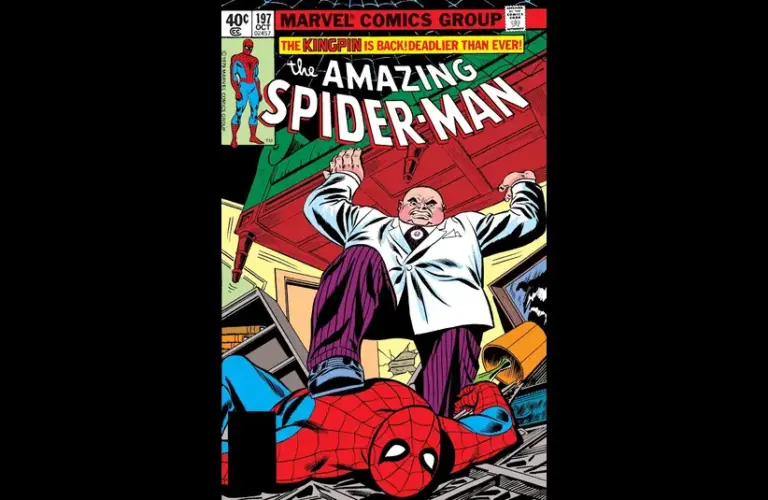
Kingpin (Wilson Fisk)
Amazing Spider-Man #50, 1967
Created by Stan Lee and John Romita Sr.
Venom
Amazing Spider-Man #300, 1988 (symbiote first seen in Secret Wars #8, 1984)
Created by David Michelinie and Todd McFarlane.
Key Marvel Film Releases
| Title |
Year |
Notes |
| Iron Man |
2008 |
Launched the Marvel Cinematic Universe |
| The Avengers |
2012 |
First major team-up crossover film |
| Spider-Man: Homecoming |
2017 |
Brought Spider-Man into the MCU via a deal with Sony |
| Avengers: Endgame |
2019 |
Capped the 23-film Infinity Saga |
| Deadpool & Wolverine |
2024 |
First R-rated film produced inside the MCU |
Financials
| Disney acquisition (2009) |
The Walt Disney Company bought Marvel Entertainment for roughly $4 billion |
| Box office milestone |
The MCU became the first film franchise to pass $10 billion in combined worldwide box office |
| Standout release |
Avengers: Endgame (2019) ranks among the highest-grossing films ever released |
| Top animated Marvel-licensed film |
Spider-Man: Across the Spider-Verse (2023) is the highest-grossing film in Sony's Spider-Verse animated series, surpassing 2018's Into the Spider-Verse, which itself passed $300 million worldwide and won the Academy Award for Best Animated Feature |
| Best-selling comic issue |
X-Men #1 (1991) holds the Guinness World Record for best-selling comic book issue in history, with roughly 8 million copies sold |
| Most-watched Disney+ series |
Nielsen streaming data has identified Loki as Marvel Studios' most-watched series on Disney+ |
Marvel's overall revenue spans more than box office — Marvel Entertainment also earns from comic-book publishing, licensing (toys, apparel, games) and home-video/streaming. The Spider-Verse films are produced by Sony Pictures Animation under license from Marvel, not by Marvel Studios itself. Because figures like these shift with every new release and each tracking firm (Nielsen, Comichron, Guinness) measures differently, treat them as sourced milestones rather than a single live running total.
Books & Comics
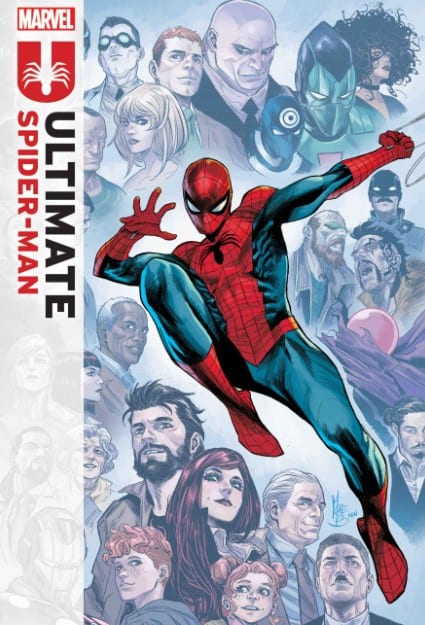
Marvel Comics is the publishing arm that started the entire company in 1939 and still releases ongoing monthly titles for its core characters today. Beyond the flagship Marvel Universe continuity, the publisher has used alternate imprints over the years — such as Ultimate Marvel in the 2000s — to retell its characters' origins for new readers without disrupting the main comic-book timeline.
Several of the MCU's biggest films draw loosely on landmark comic-book crossover events, though the screen versions typically change major plot details, characters and outcomes from their printed source material.
| Storyline |
Era |
Notes |
| Secret Wars |
1984–1985 |
One of Marvel's first company-wide crossover events, later revisited in later sequels |
| The Infinity Gauntlet |
1991 |
Crossover that inspired the Infinity Saga's film finale |
| Civil War |
2006–2007 |
Hero-registration crossover that loosely inspired Captain America: Civil War |
| House of M |
2005 |
Reality-altering crossover built around the Scarlet Witch |
| Ultimate Marvel imprint |
Launched 2000 |
Separate continuity that reimagined core characters for modern readers |
How It Compares
| Compared To | Key Difference |
|---|
| DC |
Marvel built the MCU as one continuous shared timeline across films and shows; DC's screen properties have moved between a similarly interconnected model and more standalone, director-driven films. |
| Star Wars |
Marvel's universe follows a much larger cast of individually headlined heroes releasing on an annual cadence, while Star Wars centers on one connected saga and its spin-off era. |
| Harry Potter / Wizarding World |
Marvel puts out frequent new films and series across many characters; Wizarding World expansions have been far less frequent and tied mainly to a single core story. |
Trivia & Fan Culture
Stan Lee's cameos
Stan Lee appeared in a brief cameo in nearly every MCU film up until his passing in 2018, a tradition fans still track across rewatches.
Phases and Sagas
Marvel Studios groups its films and shows into numbered "Phases," which are themselves grouped into larger "Sagas" — a structure fans use to debate pacing and quality across eras.
The post-credits scene
Marvel popularized the modern blockbuster habit of hiding extra footage after the credits, often teasing the next film or team-up.
Multiverse variants
The studio's shift toward multiverse storytelling has let it bring back actors in new roles and reference Marvel films made outside the MCU in past decades.
Frequently Asked Questions
What is the difference between Marvel, Marvel Comics, and the MCU?
Marvel (formally Marvel Entertainment) is the parent brand that owns Marvel Comics, the original publisher, and Marvel Studios, which makes the interconnected Marvel Cinematic Universe films and Disney+ series.
Does Marvel Studios own every Marvel movie?
No. Sony Pictures still produces its own Spider-Man-adjacent films (like the Venom series) under a licensing arrangement, even though Spider-Man himself now also appears in MCU films.
What order should someone watch the MCU in?
Most fans either follow theatrical release order, which tracks how the story was told over time, or a curated chronological order grouped by Phase and Saga for a more timeline-accurate watch.
What are the Marvel Studios "Phases"?
Marvel Studios groups its interconnected films and Disney+ shows into numbered Phases, which are themselves grouped into larger story arcs called Sagas, as a way of organizing the shared timeline.
Is Marvel the same company as Disney?
No. Marvel Entertainment, which includes Marvel Studios and Marvel Comics, is a subsidiary that The Walt Disney Company acquired in 2009 — it operates as its own brand within Disney.
Why did the X-Men and Fantastic Four leave the MCU for so long?
20th Century Fox held the film rights to the X-Men and Fantastic Four for years before Disney's 2019 purchase of Fox's entertainment assets returned those characters to Marvel Studios.
How is Marvel Comics different from Marvel Studios?
Marvel Comics is the original publishing arm that has produced the source material since 1939; Marvel Studios is the separate production company that adapts those comics into films and television.
Are Marvel's Netflix shows part of the MCU?
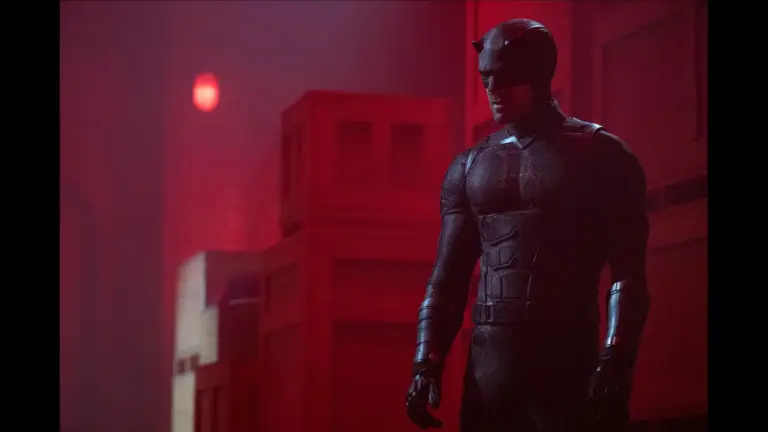
Shows originally produced for Netflix, such as Daredevil and Jessica Jones, were made with looser ties to the mainline film continuity than Marvel Studios' own Disney+ series.
Where can someone watch most Marvel content?
The bulk of Marvel Studios' film and television library streams on Disney+, though some older licensed films and shows are split across other platforms depending on distribution rights.
What is the difference between a Marvel "Saga" and a "Phase"?
A Phase is a smaller grouping of a handful of films and shows; a Saga spans multiple Phases and represents a larger overarching story, such as the Infinity Saga or the Multiverse Saga.