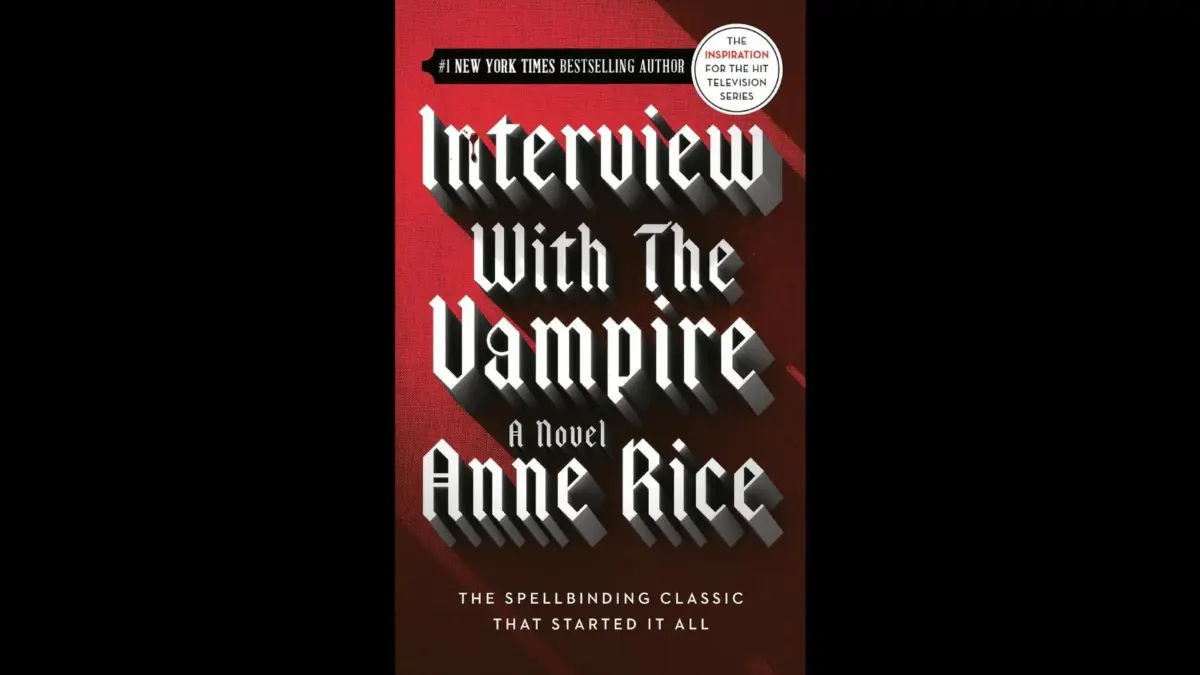
Anne Rice’s “Interview with the Vampire” marks its 50th anniversary this year, a milestone that traces back to one of publishing’s more unlikely origin stories. Rice wrote the novel as a way to process grief after the death of her 5-year-old daughter from leukemia, according to NPR. The book arrived in 1976 and went on to become an international bestseller, launching a franchise that still generates new film, television and literary work five decades later.
The novel’s staying power says as much about how Rice built her world as it does about the vampire genre she helped redefine. “Interview with the Vampire” introduced readers to Louis de Pointe du Lac, a narrator recounting centuries of relationship drama in a story Polygon describes as a messy, queer love story told through an unreliable narrator. That structure, intimate, confessional and emotionally tangled, set Rice’s vampires apart from the monsters that came before them.
Roots In Gothic Tradition
Rice did not invent the vampire novel, but she reshaped what it could do. According to Polygon, she built The Vampire Chronicles by drawing on Bram Stoker’s Dracula and Sheridan Le Fanu’s Carmilla, two foundational texts where the undead defy societal and sexual norms. Rice took that foundation and pushed further, giving her vampires interior lives, doubts and desires that earlier Gothic monsters rarely expressed on the page.
That shift from predator to protagonist became the signature move that later writers would borrow again and again.
A Franchise That Kept Growing
“Interview with the Vampire” was only the beginning. Rice went on to write 12 additional novels in The Vampire Chronicles, according to Polygon, expanding Louis and Lestat’s world across centuries and continents. The original book has since been adapted into a feature film and a television series now in its third season, with a fourth season in development, Polygon reported.
Readers interested in how the Rice universe has continued to expand on screen can also look at “Mayfair Witches” Season 3, another adaptation drawn from Rice’s body of work and currently moving forward with its own premiere plans.
Influence On Modern Vampire Fiction
Rice’s sympathetic monsters did not stay contained to her own novels. Polygon reported that many authors have imitated her approach, adapting her emotionally complex vampires for young adult romance and beyond. That lineage runs through decades of horror and romance fiction that followed, all built on the idea that a vampire narrator could be as compelling, and as flawed, as any human protagonist.
The approach has carried into recent horror releases as well. Polygon pointed to a 2025 horror novel it compared to a blend of “Interview with the Vampire” and “Bridgerton,” evidence that Rice’s template, a brooding, emotionally layered vampire narrative, still shapes how new writers approach the genre half a century later.
What’s Next
The “Interview with the Vampire” television series remains in active development, with a fourth season already confirmed, according to Polygon. For fans tracking Rice’s wider literary universe on screen, “Mayfair Witches” offers another avenue into her work, while the steady stream of vampire fiction crediting her influence suggests the Chronicles will keep finding new readers well past this anniversary.
As an Amazon Associate, I may earn a commission from qualifying purchases made through links in this article.
 Don't stop here
Every Score. Every Story. One Home.
Breaking sports, entertainment and news from across the Total Apex network, updated all day.
Get the Full Story →
Don't stop here
Every Score. Every Story. One Home.
Breaking sports, entertainment and news from across the Total Apex network, updated all day.
Get the Full Story →