
The Whippet Car: America’s Forgotten Underdog That Beat Ford and Chevy

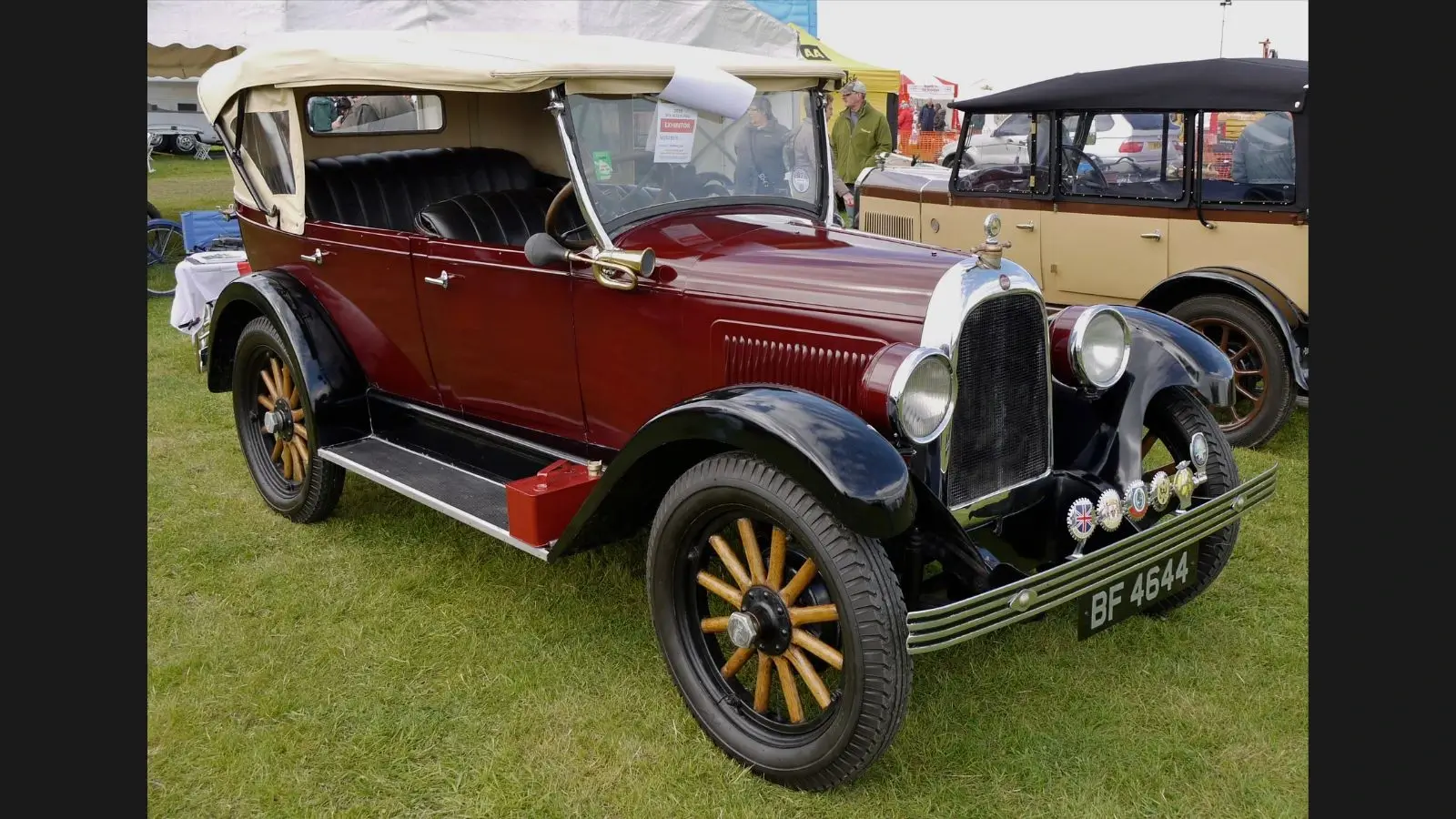
The Whippet was an American car brand manufactured by Willys-Overland in Ohio, between 1926 and 1931. The car was named after the English dog breed of the same name, and the radiator emblem showed a whippet leaping through a tire. The car is noteworthy because it was only a 4-cylinder and produced only 30 horsepower.
The Whippet was very short-lived, but it had a devoted following. The most popular Whippet was the four-cylinder Model 96, which began production on Wednesday, May 12, 1926. It was for sale as early as June 26. Are you surprised that such a small car was popular at all?
Whippet History
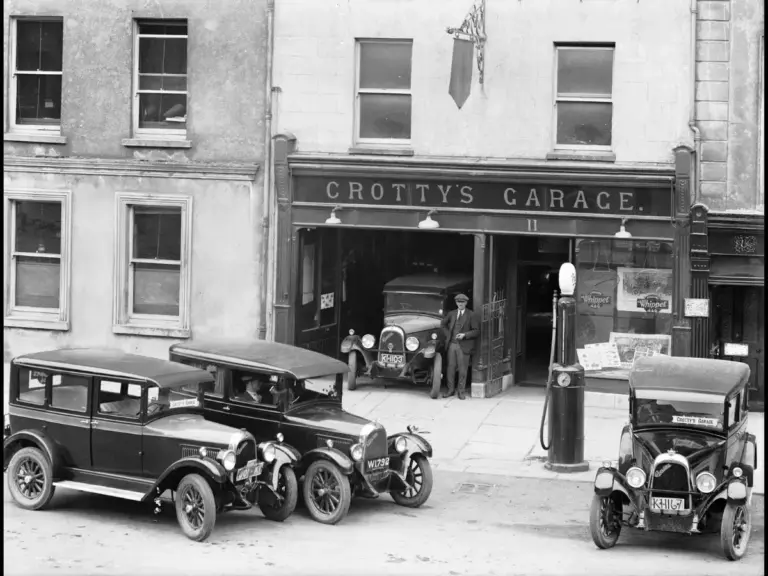
The first Whippets were produced in 1926. The car had only a 100-inch wheelbase. Its 4-cylinder engine produced only 30 horsepower at first. The car was available as a coupe or a five-seat touring car, a five-seat sedan, or a touring car. The small size had one advantage: it was easy to produce. That explained how it was so quickly on sale. The car had a devoted following and got great gas mileage.
In 1927, a larger, more powerful car was produced. It was about nine inches larger and had a six-cylinder engine. It proved its speed that year, by averaging over 56 miles per hour at the Indianapolis Motor Speedway during a 24-hour endurance run. However, there were smaller and cheaper options available. The cheapest Whippet, the four-cylinder cabriolet, sold for just $545. This was another reason why the car was popular.
In 1929, there were 242,000 cars produced; they were relatively easy to produce. 1929 was the year of the four-cylinder model 96A and the six-cylinder model 98A. The 96A was bigger. It had a 3/8-inch longer stroke, but, again, as ease of production was king, it was the basic Model 96 engine with the same 3 1/8-inch bore x 4 3/8-inch stroke (albeit in a revised form and producing more horsepower).
That engine powered the Willys Jeep for World War II, so the engine lived on after the car. These vehicles were made with a variety of bodies for two to five passengers. However, the innards of the car did not change much. Another factor leading to easy production.
In 1930, the company added delivery trucks and pick-up trucks to its production line. Interestingly, all Whippet models were also sold in Australia. Showing, maybe, the first instances of globalization. The collapse of the Wall Street Stock Exchange on Black Tuesday in October 1929 and the resulting global economic crisis, however, put an end to the brand.
In the spring of 1931, the producer, Willys-Overland, decided to discontinue the Whippet in favor of the Willys Six and the new Willys 77. The Whippet delivery vans continued into the early 30s with Crossley in Great Britain also supplying them. These were always somewhat more popular and better loved. Like so many automobile companies, the Great Depression spelled the end for this car.
Conclusion
The Whippet is an interesting piece of American Automotive history. While Americans loved big and powerful cars, and manufacturers catered to this love, here we have a small car. The small car had a devoted following and had several advantages. It was easy to produce, cheap to buy, got great gas mileage, and produced a good amount of power for its size. These factors explain why so many of the car was sold, and, in fact, to this day, there are still avid collectors of this car. This piece of American automotive history should not be forgotten.
