
The 1930 Pontiac Roadster: How the Great Depression Saved the Car That Killed Oakland

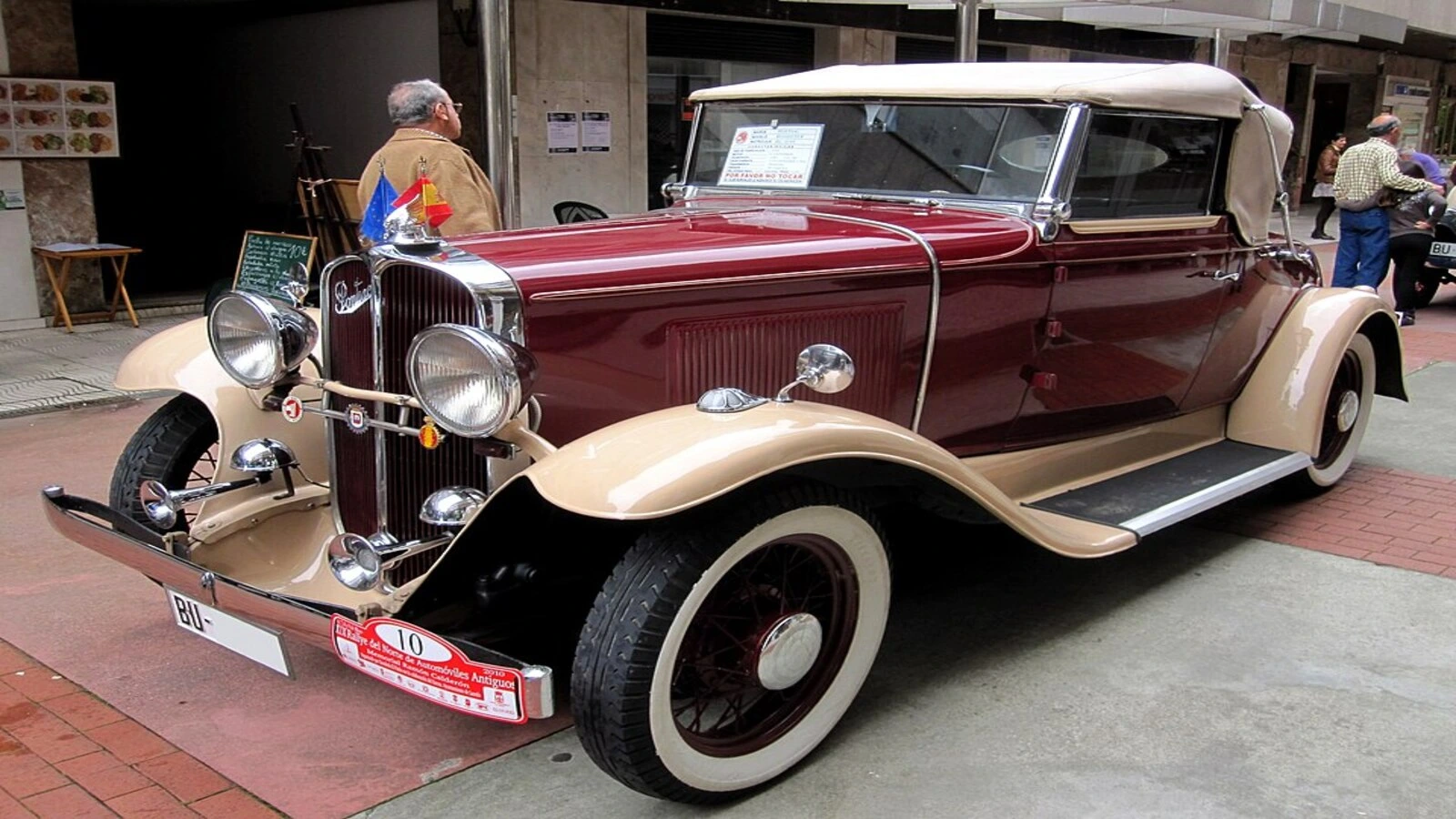
The 1930 Pontiac Roadster was designed by General Motors to fit into a pricing gap, as part of a coherent sales strategy that related to the stock market crash of 1929 and the Great Depression that followed. Pontiac was introduced as an affordable Oakland in 1926, followed by LaSalle for Cadillac (1927), Marquette for Buick (1929), and Viking for Oldsmobile (1929).
The 1930 Pontiac was considered for cancellation during the Great Depression, but it was decided to keep the car around as the economy started to recover. The Great Depression had an enormous effect on automobile manufacturers. Do you think this was the time the economy had the largest effect on automobile sales?
The Evolution of the Pontiac Roadster 1926-1929
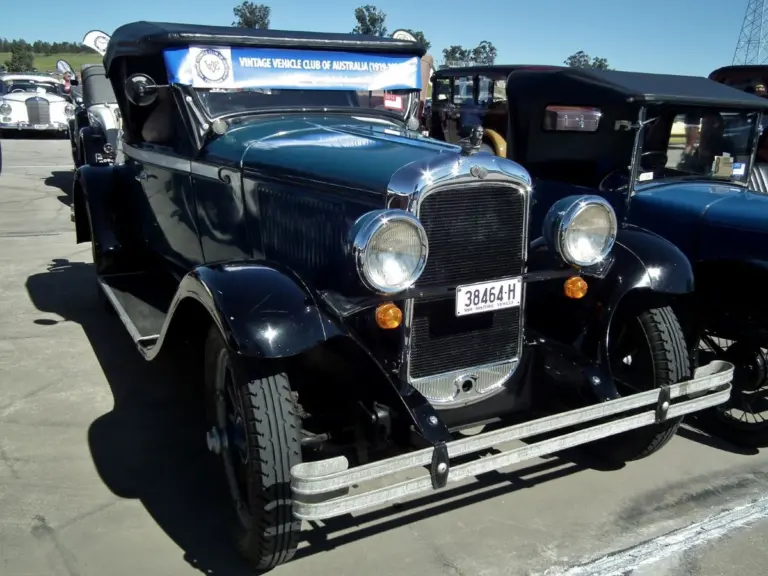
The Pontiac Roadster was first issued in 1926. It was frequently called the Big Six because of its six-cylinder engine. It had a moderate price at the time of $825. This was an entry-level vehicle with few options. They were limited to types of front and rear bumpers, a rear-mounted spare tire, and a heater for the passenger compartment. The Coach came painted in sage green with faerie red striping, and the Coupe in Arizona Grey. Those were the colors; there were no choices. 76,742 cars were produced in that first year.
In 1927, the car was rebranded to the “New Finer Series 6-27.” The Pontiac Roadster now had an optional rumble seat, and the price ranged from $775 to $925. There were also changes to the front fender. The fender came further down the sides of the tires and covered more of the front of the tire with a beaded edge. Aside from that, there were no changes to the model.
In January 1929, the updated Series 6-29 “New Big Six” was introduced. The engine displacement was now at 200 cubic inches. Some of the improvements with the 1929 Pontiac were the appearance, mechanical, and feature enhancements to include a vertical center divider on the surface of the radiator, vertical louvers on the sides of the engine cover, oval opera windows on closed body sedans, and a combination transmission and ignition lock.
1929 – 1932
The Stock Market crash of 1929 occurred in October, and both Pontiac and Oakland sales dropped dramatically. Because Oakland was the more expensive, General Motors leadership decided that Pontiac should remain. This decision shaped the future of automobile brands.
In January 1930, Pontiac introduced the Big Six Series 6-30B, at least that is what the automobile was called. There were some of the improvements made, including a rearward sloping windshield, a beltline molding that extended around the exterior, and exterior sun visors above the windshield. Wheel dimensions were measured at 29 inches, a little bigger than previous versions of the automobile. Model year production dropped to 62,888 because of the economic downturn.
For model year 1931, the “Fine Six Series 401″ was introduced in January, and the most notable changes were a 112” wheelbase, seven body style choices, while it shared appearance and technical advancements introduced by General Motors on all cars for this model year. The car was priced at $625 to make it more worthwhile and attractive to economically depressed consumers.
The final year for the first series of the Pontiac model was 1932. This was the first year that Pontiac offered two products, with the Series 302 eight-cylinder being renamed from the previous Oakland Model 301 eight-cylinder. There was a 114-inch wheelbase, and a radio was included. Other changes included the relocation of the sun visor to inside the car, replacing the vertical engine compartment vents with individual doors. The fender lights on deepened, and the curved front bar between the headlights was also used on the 1932 Chevrolet.
The Pontiac Roadster Survived
This was an important car to the American automotive scene. Because of the stock market crash and the Great Depression, we know the name Pontiac, and we do not know the name Oakland. The decision was made by General Motors to carry the Pontiac brand forward and cease production of the Oakland.
