
Bayeux Tapestry lawsuit: 1 blind man’s bold fight for access

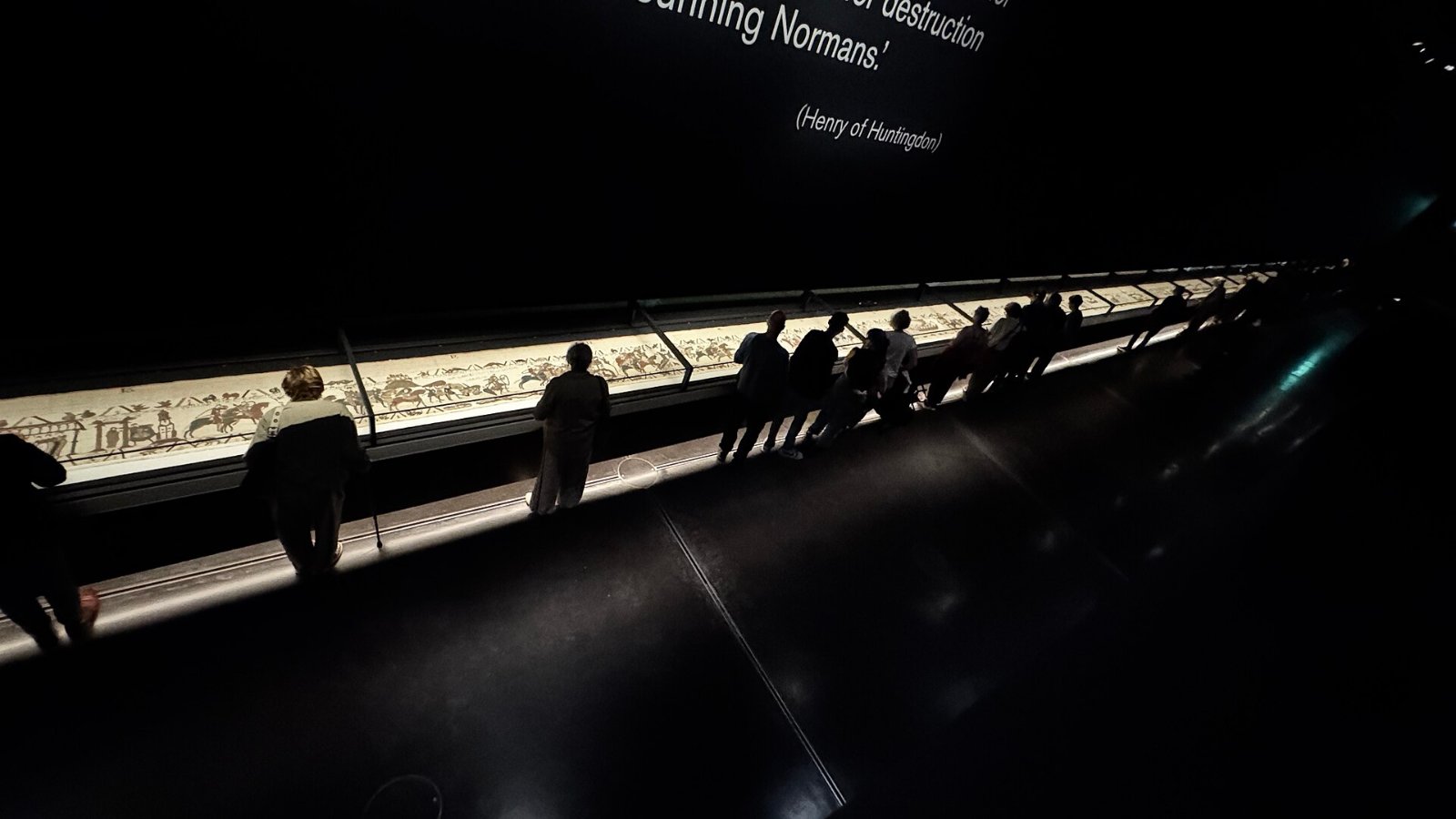
Dr. Yusuf Ali Osman, a blind man from Croydon in south London, has started a Bayeux Tapestry complaint against the British Museum, his lawyers at Leigh Day announced Sept. 30. He says the museum breached the U.K. Equality Act by not offering audio-described tours of its new Bayeux Tapestry exhibition.
What Osman alleges
Osman, who has no sight in either eye, asked the museum in July whether audio-described tours would be available before the show opened Sept. 10, The Art Newspaper reported. The museum told him they would not be offered. It cited limits on how long the 11th-century embroidery can be exposed to light, which cap the number of visitors and led it to favor self-guided visits.
Leigh Day sent the museum a pre-action protocol letter Sept. 24. In England, that letter is the formal first step before a claim is filed in court.
“I want to be able to visit the Bayeux Tapestry and experience it for myself,” Osman said, according to The Art Newspaper. He added that he understands the display restrictions but was disappointed that blind visitors were not given an equal way to experience the work.
Kate Egerton, a discrimination solicitor at Leigh Day, said “our client is asking for the same opportunity as sighted visitors to experience this exhibition.” She also argued that the Equality Act requires service providers to anticipate the needs of disabled people, Arab News reported.
How the British Museum responded
Since receiving the letter, the museum has agreed to offer an in-person audio-described tour and may add an audio-described option to the exhibition’s app-based guide, according to The Art Newspaper. It also plans a sensory map and dedicated access tours. A large-print guide for visually impaired visitors is already available.
A museum spokesperson said the institution is “committed to making the Bayeux Tapestry exhibition as accessible as possible.”
What the Bayeux Tapestry lawsuit seeks
Osman is seeking damages, a declaration of discrimination and an order requiring the museum to change its policies and disability awareness training for relevant staff, London Crime News reported.
“I hope that this legal action will help make sure that blind and partially sighted people are properly considered when major exhibitions are planned, so that we can enjoy and engage with our national cultural institutions on a more equal footing,” he said.
Why light limits shape the exhibition
The light restrictions at the heart of the Bayeux Tapestry lawsuit are conditions of the loan from France, The Art Newspaper reported. The museum must keep strictly to the number of hours the tapestry is lit, so visitors are booked into 40-minute slots.
Those limits have already caused problems. The museum banned visitor photography starting Sept. 11 after people stopping to take pictures slowed the line. On some occasions, the lights were switched off before every ticket holder had finished viewing, according to the outlet.
Demand is high. The museum sold about 100,000 tickets on the first day of sales, at £33 each, and expects roughly 1 million visitors over the run. The exhibition marks the tapestry’s first appearance in England since it was made nearly 1,000 years ago.
What’s next
The Bayeux Tapestry lawsuit is still at the pre-action stage, and no court date has been set. The museum’s new audio-described tours could shape how the Bayeux Tapestry lawsuit is resolved, though neither side has announced a resolution.
The roughly 70-meter tapestry, on loan from France, depicts the Norman conquest of England in 1066. Ticket holders view it from a raised platform, and the exhibition runs through July 11, 2027.
For more museum news, see our guide to the fall 2026 arts season, the hidden figures under Monet’s “The Luncheon” and the Toledo Museum of Art’s record photo purchase.
