
‘Terror in the Name of God’ Review: What Really Drives Religious Terrorism

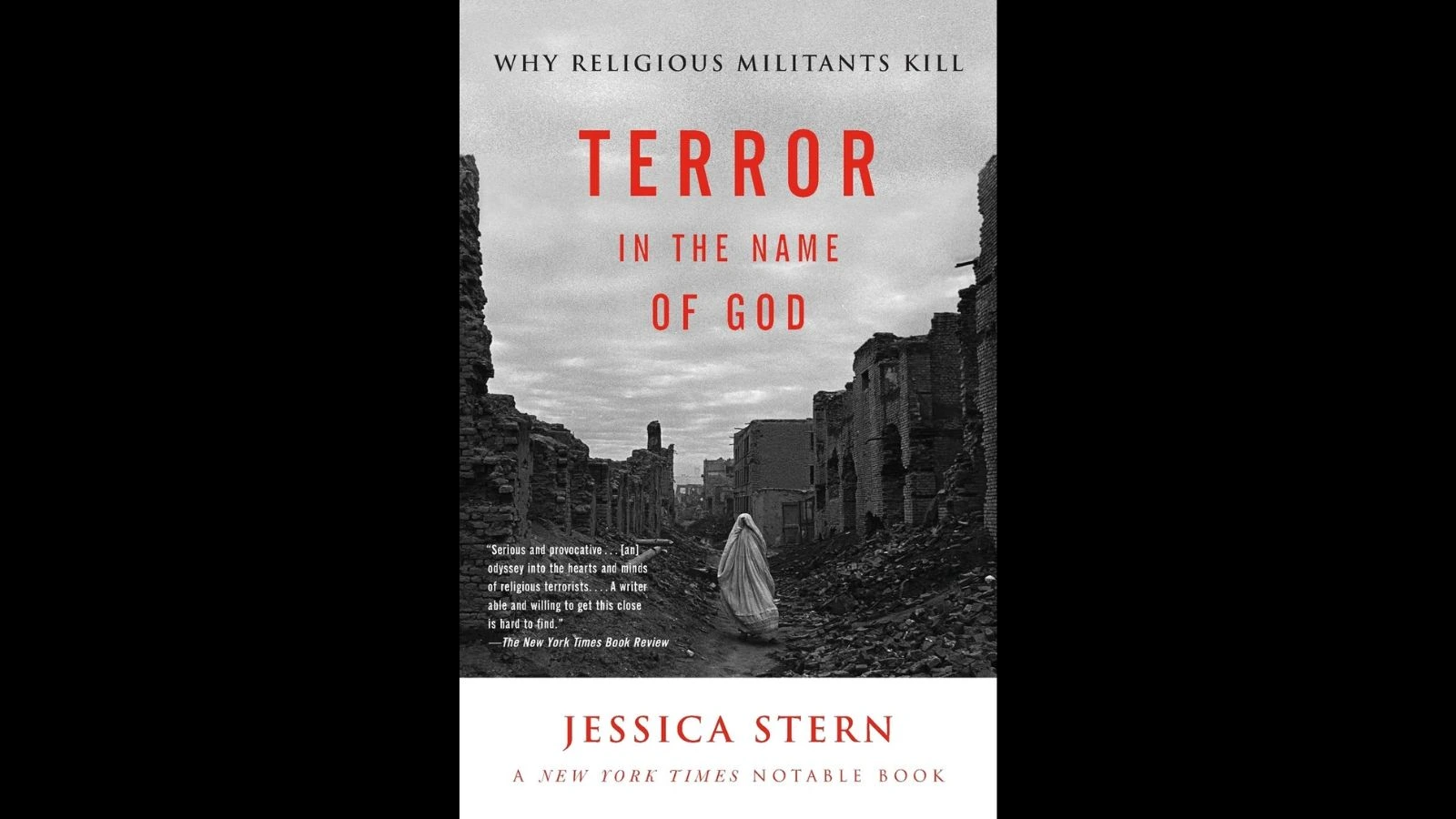
“Terror in the Name of God: Why Religious Militants Kill” is a 2003 book by Jessica Stern. The book seeks to understand the motivations of terrorists of various ilk. She did extensive field research, going to places like Palestine and Pakistan, and she even interviewed abortion clinic bombers in the United States. Readers are the beneficiaries of this rich research. This rich book is very worth reading.
In “Terror in the Name of God: Why Religious Militants Kill,” Stern concludes, through interviews with terrorists, that their acts are an attempt to remove dangerous influences and believe that the ends justify the means. Most people reject the idea that the ends justify the means, and it is what separates them from terrorists. Do you think cutting such a wide swath is an effective approach to understanding terrorism?
“Terror in the Name of God: Why Religious Militants Kill” Summary
In the book, the key question is: what would make an otherwise God-fearing person take up arms in a violent expression of devotion to a, usually, religious cause? For most believers, faith and violence are fundamentally incompatible. “Holy war intensifies the boundaries between Us and Them,” the author writes. It is this stark dichotomy between black and white that explains why some, like Paul Hill, who was executed for the 1994 murder of abortion doctor, Dr. John Bayard Britton, and his bodyguard, retired Air Force Lt. Col. James Herman Barrett, target the specific sinner, while others target an entire society.
Leaders of these movements often exploit the grievances and the aggrieved. These grievances could have to do with many things, such as poverty, lost land, historical wrongs, and a variety of cultural ills to recruit foot soldiers to their causes, the author writes. Often, the recruits are drifters who are frequently humiliated. They are searching for purpose and mission to find hope in the promises of eternal rewards. “People join these groups partly to transform themselves and to simplify life,” Stern writes. So, the typical terrorist is aggrieved.
Stern was at Harvard’s Kennedy School of Government when she wrote this book. She was formerly of the National Security Council and the Council on Foreign Relations. Both of these institutions suggest highfalutin’ academic credentials. Stern wrote, “They start out feeling humiliated, enraged that they are viewed by some ‘Other’ as second class. They assume new identities as martyrs for a purported spiritual cause. The spiritually perplexed learn to focus on action….Uncertainty and ambivalence, always painful to experience, are banished.” This is an important point; the run-of-the-mill group soldier is a dreg of society. They are looking to belong, and joining a terrorist group can help them belong.
“Terror in the Name of God: Why Religious Militants Kill” is rewarding and has few drawbacks. One could be the density of this book, which might turn some people off. She devotes very little time or space to finding ways for religion to correct its own internal compass, beyond saying that society must not succumb to the “spiritual dread” carried out by terrorists. There is no solution presented here.
Why Should You Read This Book?
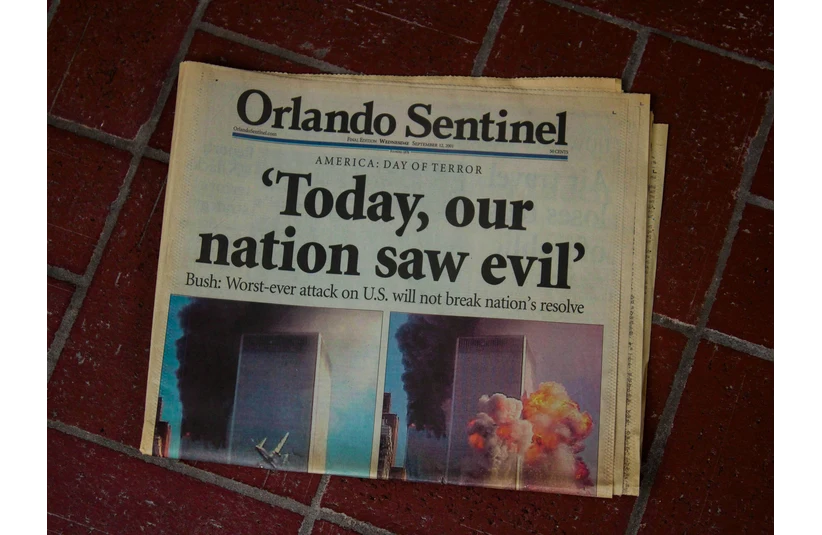
People should read this book because Stern is an expert with extensive field research experience. “Terror in the Name of God: Why Religious Militants Kill” cuts across terrorist groups to understand their motivation. Stern interviews them and their families. This book is a helpful reminder that the phenomenon is more than just Muslims. This is a reminder we all need, and it makes the book very worthwhile.
Conclusion
In her final analysis, the author tells why the war on terrorism is, at base, a fight over irreconcilable values, not religion, culture, or territory. We tend to typecast terrorists as Islamic fundamentalists. That is incorrect. Americans, Stern says, embrace the idea that “every human being is valuable, whatever their race, gender, or religion. Our commitment to freedom of religion, but not freedom to murder for religious reasons. These, alas, are values that put us fundamentally at odds with our foes.”
