
The Rise, Fall, and Inevitable Return of Islamic Law: A Book Every Westerner Should Read

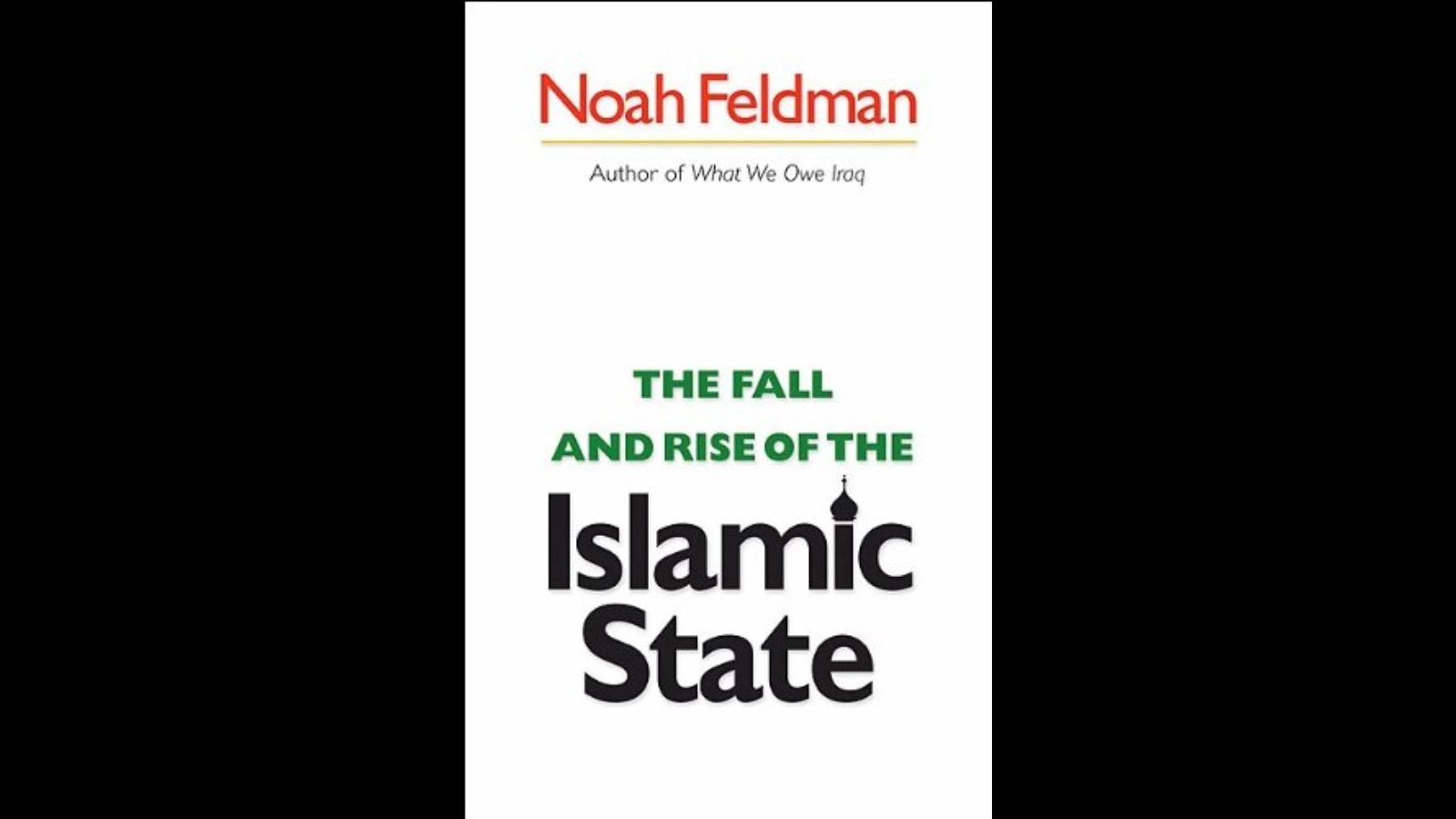
“The Fall and Rise of the Islamic State” is a book by Noah Feldman. It was one of the books of the year by “The Economist” in 2008. It is quite good at exploring the historical and modern underpinnings of Sharia Law, which, of course, was used to justify the rule of Islamic Extremists. It is important to understand these rules, and this book does a great job at explaining them.
It is important to understand the logic of this law, as it is likely foreign. Do not make the mistake of thinking that just because the Islamic State failed, this thinking is defunct. It is not. This book, “The Fall and Rise of the Islamic State,” is a well-written and clear explanation of these rules. Do you think you need an understanding of these rules to combat their rise in the future?
“The Fall and Rise of the Islamic State” Summary
Likely, no other Western writer has more deeply probed the struggle in the Muslim world between the forces of religion and law and those of violence and lawlessness than Noah Feldman. That is reason alone to read, “The Fall and Rise of the Islamic State.” The unique mixture of religion and politics may seem foreign to Westerners, but it is central to this type of rule. We are ingrained from kindergarten with the need to seperation of church and state. That concept is based on the First Amendment’s Establishment Clause in the United States Constitution.
Western powers call Sharia Law a threat to democracy. Islamist movements have won elections on it. They probably will win more elections based on it. Terrorists use it to justify their crimes and murders. What, then, is the shari’a? It is, in the end, a harsh set of rules for people to follow. Why is it popular among Muslims? The answer is that it maps well to the rules of the religion.
There has never been a successful institution of Sharia law that lasted more than a few years. Can the Islamic state ever succeed, and should it? The author writes about how the classical Islamic constitution governed and was legitimized by this law. Feldman shows, in “The Fall and Rise of the Islamic State,” how executive power was balanced by the scholars who interpreted and administered the sharia, and how this balance of power was finally destroyed by the incomplete reforms of the modern era. Fortunately, this is not a new idea, and there is a lot of history to interpret. Feldman interprets it.
“The Fall and Rise of the Islamic State” gives readers a view of the history of the traditional Islamic constitution. This view is from its noble beginnings, its downfall, and the renewed promise it could hold for Muslims and Westerners alike. This idea is surprising. In the introduction, Feldman discusses developments in Egypt, Tunisia, Libya, and other Muslim-majority countries and describes how Islamists must meet the challenge of the revolts if the new Islamic states are to succeed.
Why You Should Read This Book
There are a couple of good reasons to read this book. First, it is well-written and interesting. There is no way a book of the year would be otherwise. Second, “The Fall and Rise of the Islamic State” explains well the historical and modern underpinnings of Sharia Law, which was used to justify the murderous rule of Islamic Extremists. This style of rule has risen and fallen several times over the centuries, so it will be back. It is important to understand the logic of this rule.
Parting Shots
This is an educational book, and readers will benefit from the sweeping historical treatment. Readers of “The Fall and Rise of the Islamic State” will benefit from Feldman’s expertise. The Western expertise is as needed as it is surprising. This book is a valuable part of any library and should be read by those who want to understand what may seem like a backward set of laws.
