Japan has raised concerns through diplomatic channels with the unauthorized use of its beloved games and anime in government social media posts. The Ministry of Foreign Affairs spent months quietly warning U.S. officials about everything from Pokémon to Naruto showing up in official messaging. Does America really think it can just borrow Japan’s cultural treasures without asking first?
Japan Pushes Back Against U.S. Use of Japanese IP
For nearly a year, the Trump administration treated Japanese intellectual property like a free-for-all buffet. Back in September 2025, the Department of Homeland Security dropped a Pokémon-themed immigration enforcement video that the White House eagerly shared. Then March 5, 2026 brought a Pokémon Pokopia-inspired image pushing the MAGA slogan, followed by an AI-generated Animal Crossing video from the official White House X account on March 28. America just kept reaching into Japan’s toy box without so much as a please or thank you.
The crowning moment of cringe came on June 6, 2026, when an AI-generated video of Trump as Naruto Uzumaki, on his personal Truth Social account. Nothing says “respect international copyright” like turning the leader of the free world into a ninja from a Japanese comic book. America apparently decided that if Japan was not going to lend its characters willingly, they would just borrow them anyway and ask for forgiveness later. That strategy did not exactly pan out.
The Ministry of Foreign Affairs raised concerns with the U.S. Embassy in Tokyo back in April 2026, and then again in June for good measure. The April conversation is actually documented in Japan’s official parliamentary record from an April 17 House of Representatives Foreign Affairs Committee meeting. A ministry official confirmed they told the Americans at the section-chief level that public institutions are not exempt from getting permission for IP use. They also asked America to consider both potential copyright infringement and possible damage to the image of the works involved.
Pokémon Was at the Center of the Controversy
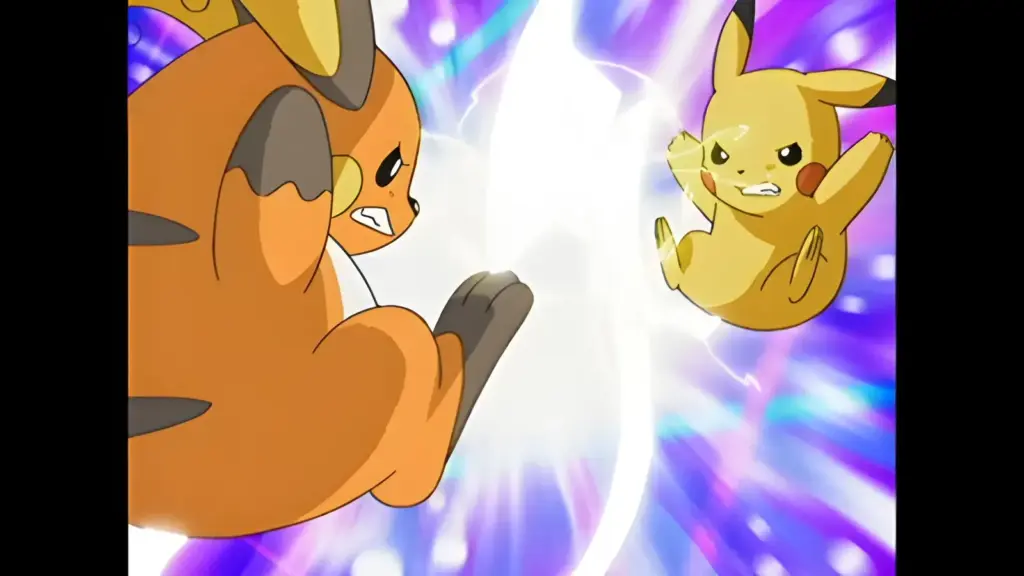
Before the country even got involved diplomatically, The Pokémon Company had already denied authorizing that September 2025 immigration video. Then after the March 2026 Pokopia-themed MAGA meme dropped, they issued another statement saying they had not participated in or authorized its creation or distribution.The company stressed that the brand is not affiliated with any political viewpoint, which seems like a polite way of saying “please stop using our cute monsters for your border patrol content.”
Trump Shared a Naruto AI Video
In June 2026, Economic Security Minister Kimi Onoda confirmed that Japan had repeatedly communicated its position on the proper treatment of copyrighted works through diplomatic channels. The message was clear: just because America thinks something is cool does not mean they can use it without permission.
The country essentially told the U.S. that their cultural exports are not campaign props, and they would appreciate it if America treated them with a little more respect. The U.S. Embassy reportedly said they would relay Japan’s concerns to Washington, but the posts stayed up through the end of July. So far, it remains unclear if the country’s protests actually produced any concrete results, but Washington’s use of Japanese IP in public messaging appears to have decreased.
The June 6 Naruto video appears to be the most recent widely documented example involving Trump, although it was shared from his personal Truth Social account rather than an official White House account. Whether America finally got the message or just ran out of ideas is anyone’s guess, but the digital borrowing has definitely slowed down. Maybe someone in Washington finally realized that annoying one of your closest allies over anime characters is not exactly great foreign policy.
Japan Says Copyright Rules Apply to Government
The whole debacle highlights a fundamental truth that America seems to forget sometimes: just because something is popular in the U.S. does not mean it belongs to the U.S. Japanese game studios and anime producers spend years building these brands, and they tend to get protective when politicians start plastering their work all over government channels.
America has benefited enormously from Japanese pop culture over the decades, but that does not come with a blank check for unauthorized use. The relationship between the two countries is strong, but even allies have boundaries.
What Happens Next?
At the end of the day, Japan stood its ground and made it clear that intellectual property laws apply to everyone, including the most powerful nation on Earth. The Trump administration’s brief flirtation with Japanese pop culture propaganda was amusing, cringeworthy, and ultimately a diplomatic misstep that Japan handled with surprising patience.
America got away with it for nearly a year before Japan finally said enough is enough. Whether the lesson sticks remains to be seen, but for now, Pikachu can rest easy knowing he is no longer a border patrol mascot. Japan may not have won every battle in this weird culture war, but they definitely won the moral high ground.
Where to Check Out All Things Entertainment, Gaming, and Current Affairs
Social Media from David Gilbert
My Twitter
Facebook
Instagram
LinkedIn
 Don't stop here
Every Score. Every Story. One Home.
Breaking sports, entertainment and news from across the Total Apex network, updated all day.
Get the Full Story →
Don't stop here
Every Score. Every Story. One Home.
Breaking sports, entertainment and news from across the Total Apex network, updated all day.
Get the Full Story →