
What Happened on July 16? 7 Historic Events That Prove This Date Was Anything but Ordinary

Some dates quietly blend into the calendar. July 16 has never been interested in doing that. Over the years, this day has launched moon missions, introduced inventions people still love to complain about, kicked off military campaigns that changed nations and helped unlock some of science’s biggest mysteries. If history had a highlight reel, July 16 would make the cut more than once. Here are seven moments that made this date one worth remembering.
1. Union Troops March Toward a Reality Check (1861)
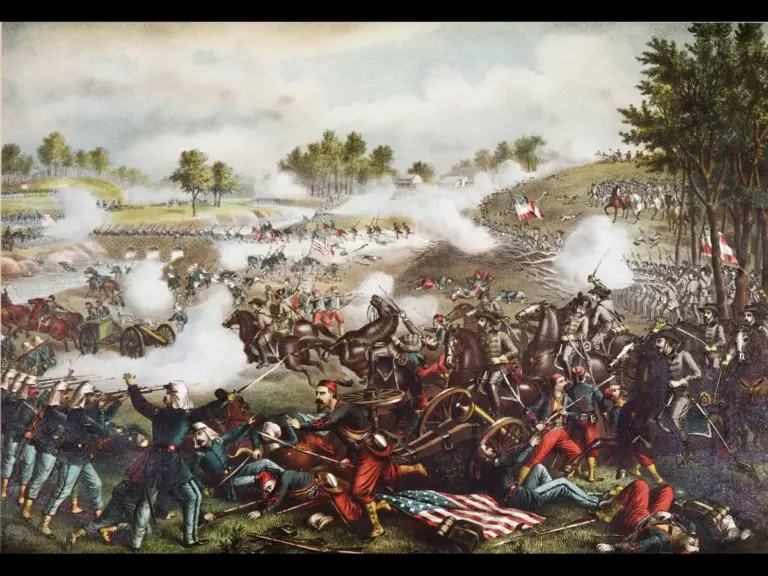
On July 16, 1861, Union troops under Gen. Irvin McDowell marched out of Washington, D.C., beginning the campaign that would end five days later at the First Battle of Bull Run. At the time, plenty of Americans believed the Civil War would be over before the leaves changed color. Some spectators even planned to watch the coming battle with picnic baskets in tow.
History, unsurprisingly, had other ideas. Bull Run ended in a Confederate victory, a chaotic Union retreat and the realization that this wasn’t going to be a short war. The campaign that began on July 16 became one of the first signs the nation was in for four long years of fighting.
2. The Order of the Arrow Starts a Tradition That Still Exists Today (1915)
Not every historic event involves presidents or battlefields. On July 16, 1915, E. Urner Goodman and Carroll Edson founded the Order of the Arrow at Treasure Island Scout Reservation in Pennsylvania. Their idea was to recognize Scouts who consistently put service and leadership ahead of themselves. More than a century later, the Order of the Arrow remains Scouting America’s national honor society. That’s not bad for something that started at summer camp.
3. America Meets the Parking Meter… and Immediately Doesn’t Like It (1935)
Some inventions inspire awe. Others inspire people to dig around for spare change while muttering under their breath. On July 16, 1935, Oklahoma City installed the nation’s first parking meter after downtown businesses grew frustrated with employees occupying parking spaces all day. Inventor Carl Magee’s solution was simple: pay a nickel and move along after an hour.
Drivers weren’t thrilled. City planners, on the other hand, loved the idea. Parking meters spread across the country and have been fueling complaints ever since. Some traditions never really go away.
4. The Trinity Test Opens the Nuclear Age (1945)
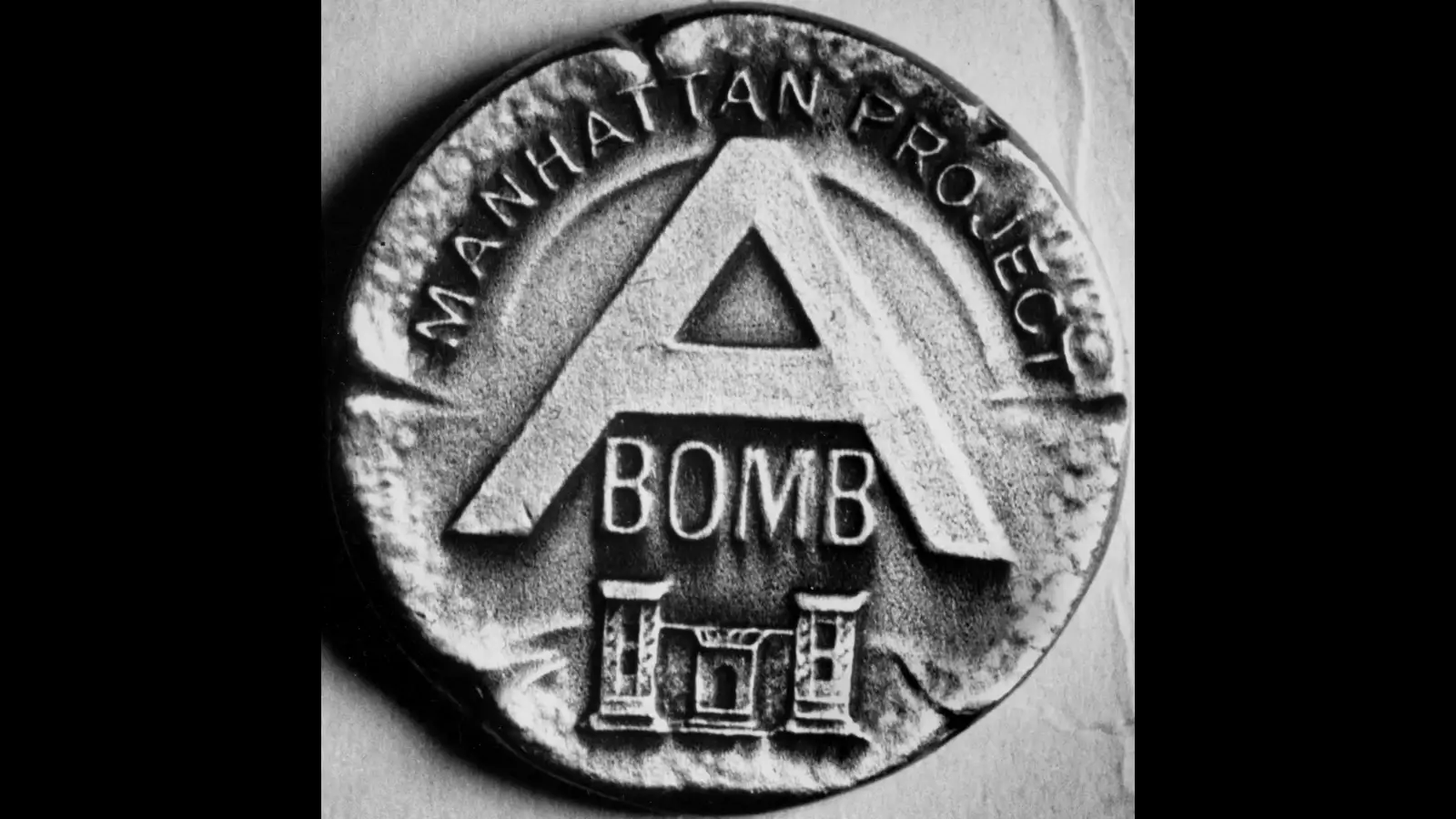
Before dawn on July 16, 1945, scientists working on the Manhattan Project gathered in the New Mexico desert to see whether years of research would actually work. It did. The Trinity Test produced the first successful detonation of an atomic bomb, creating a flash so bright that witnesses compared it to daylight.
The test confirmed one of the greatest scientific achievements of the 20th century while also introducing one of humanity’s greatest moral dilemmas. It’s difficult to think of another experiment that changed both science and geopolitics so dramatically in a matter of seconds.
5. Apollo 11 Lifts Off for the Moon (1969)
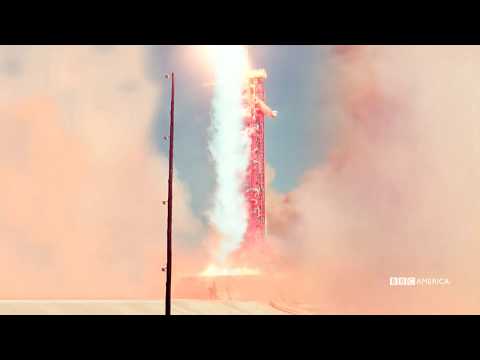
If there were a Mount Rushmore of space exploration, Apollo 11 would be carved into it. On July 16, 1969, Neil Armstrong, Buzz Aldrin and Michael Collins launched aboard a Saturn V rocket, beginning the mission that would place the first humans on the Moon four days later.
Millions watched from televisions around the world. Engineers watched with considerably higher blood pressure. The mission remains one of NASA’s defining achievements and one of the clearest examples of what decades of scientific innovation can accomplish.
6. The Nation Loses John F. Kennedy Jr. (1999)
On July 16, 1999, John F. Kennedy Jr., his wife Carolyn Bessette Kennedy and her sister Lauren Bessette died when Kennedy’s Piper Saratoga crashed into the Atlantic Ocean near Martha’s Vineyard. The National Transportation Safety Board later concluded Kennedy likely became spatially disoriented while flying in hazy nighttime conditions.
For many Americans, Kennedy represented both the enduring legacy and the enduring tragedy of one of the country’s most famous political families. News of the crash dominated headlines and became another chapter in a story that already carried more than its share of heartbreak.
7. Disneyland Gets One Last Test Run Before Opening Day (1955)
By July 16, 1955, Walt Disney’s ambitious new theme park was nearly ready for the public. Before the gates officially opened, Disneyland welcomed employees, contractors, their families and invited guests for a preview designed to catch any last-minute problems.
That extra day of preparation turned out to be a good idea. Even with the preview, opening day on July 17 became famous for traffic jams, malfunctioning attractions, fresh asphalt softened by the California heat and plumbing problems that tested both guests and Disney employees. Disney historians would later nickname the chaotic debut “Black Sunday.”
Fortunately for Disney, first impressions weren’t the final story. Walt Disney’s bold gamble became one of the most recognizable entertainment destinations in the world, welcoming hundreds of millions of visitors and inspiring theme parks across the globe. Sometimes the biggest moment isn’t opening day. Sometimes it’s the day before, when everyone is scrambling behind the scenes to make the magic look effortless.
What Happened on July 16? History’s Biggest Moments Still Inspire Curiosity
July 16 has an impressive résumé. It’s the day Union troops began marching toward one of the Civil War’s first major turning points, scientists ushered in the nuclear age, Apollo 11 started humanity’s journey to the Moon and Disneyland prepared to welcome its very first guests.
Along the way, America also got its first parking meter, proving history isn’t always glamorous, but it’s almost always interesting. Tomorrow, July 17, we’ll step into a new “land and explore more moments that earned their place in the history books. Because if this series has taught us anything, it’s that every square on the calendar has a story waiting to be uncovered.
