
The “Almost Victim” Stories: People Who Escaped Serial Killers Without Knowing It

There’s something uniquely chilling about realizing you crossed paths with a monster long before anyone knew their name. Not the Hollywood kind, the real‑world serial killers who blended into everyday life so well that ordinary people interacted with them, trusted them, even helped them… and walked away completely unaware of how close they came to becoming another headline. These “almost victim” stories hit harder than any true‑crime documentary because they remind us that danger doesn’t always announce itself. Sometimes it smiles, holds a door open, or asks for directions.
These stories aren’t trying to shock you with gore, the real punch comes from looking back and realizing just how close things were. It’s that heavy, unsettling feeling you get when hindsight finally catches up and you understand the moment was a lot darker than it seemed at the time. They’re about the people who lived through a moment that didn’t feel dangerous at the time, only to discover years later that they were inches from becoming part of a killer’s timeline. And really, they’re some of the most human, unsettling stories in the true‑crime world.
The Serial Killers Who Hid in Plain Sight

The scariest thing about many serial killers is how normal they seemed. Ted Bundy didn’t look like a threat when he asked women for help with his “injured arm.” Rodney Alcala didn’t look dangerous when he charmed people with his camera. Israel Keyes didn’t look suspicious when he chatted casually with strangers in public places. They were the kind of people you wouldn’t think twice about, and that’s exactly why these almost‑victim stories feel so personal.
Take Carol DaRonch, for example. She escaped Bundy’s car after realizing something was off, but she didn’t know she had just slipped away from one of the most notorious serial killers in American history. Or Lisa McVey, who survived a terrifying encounter with Bobby Joe Long and managed to escape by staying calm and observant. These women didn’t know who they were dealing with at the time. They just knew something felt wrong.
Then there are the people who didn’t even realize they were almost victims until years later. A woman who once accepted a ride from Jeffrey Dahmer before he became infamous. A man who unknowingly chatted with John Wayne Gacy at a job site. People who sold items to killers, worked alongside them, or lived next door, all without realizing the danger.
Why “Almost Victim” Stories Hit So Hard
These stories resonate because they’re relatable. It’s never the dramatic movie moment people picture, not the creepy alley, not the neon‑sign red flag. Most of these close calls happen during the boring parts of life. Running errands. Heading to work. Making small talk with someone who seemed totally normal. Just everyday stuff that later turns out to have been way too close for comfort.
Emotionally, they hit a nerve because they make you rethink your own life. How many strangers have you interacted with? How many times have you trusted someone’s smile or their “normal” energy? These stories force you to face the uncomfortable reality that serial killers don’t always show up looking like danger.
There’s also a strange mix of gratitude and fear in these accounts. Gratitude for surviving something they didn’t even know was happening. Fear from realizing how close they came to disappearing without a trace. It’s a cocktail of emotions that sticks with you long after the story ends.
The Human Instinct That Saves Lives
One of the most fascinating parts of these stories is how often instinct plays a role. A gut feeling. A moment of hesitation. A sudden urge to leave. Many almost victims describe a subtle shift, something small that made them pull away, decline an offer, or change direction.
Carol DaRonch trusted her instincts when Bundy’s behavior didn’t match his “polite stranger” act. Another woman stepped out of Alcala’s car because something felt off. A teenager walked away from a conversation with Keyes because his smile didn’t reach his eyes. These tiny decisions changed everything.
It’s a reminder that intuition isn’t just a cliché, it’s a survival tool.
The Emotional Fallout of Realizing the Truth
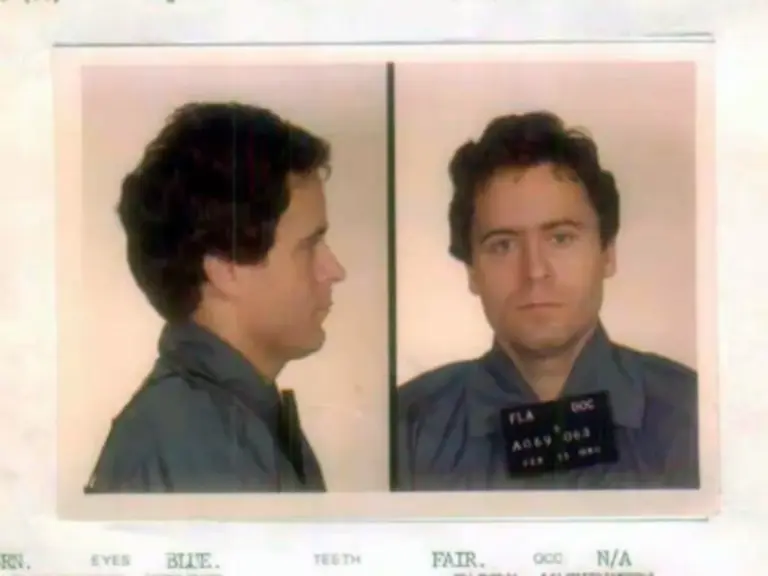
The moment of realization, often years later, is its own kind of trauma. Imagine seeing a mugshot on TV and recognizing the face. Imagine hearing a name and remembering a conversation. Imagine learning that someone you once trusted was capable of horrors you can’t even comprehend. Then comes the worst part: learning that someone you once trusted, or at least didn’t think twice about, was actually one of the serial killers capable of horrors your mind can barely process.
Many almost victims describe feeling:
- Shock
- Nausea
- Gratitude
- Survivor’s guilt
- A strange sense of disbelief
It’s not just “I escaped.” It’s “I didn’t even know I needed to.”
When Survival Is a Story You Don’t Realize You Have
These almost‑victim stories remind us that survival isn’t always dramatic. Sometimes it’s quiet. Sometimes it’s accidental. Sometimes it’s a moment you don’t understand until much later. And that’s what makes them so haunting, and so human.
They’re not stories about fear. They’re stories about luck, instinct, timing, and the unsettling truth that serial killers often move through the world unnoticed. And sometimes, the people who escape these serial killers don’t realize their own strength until the world reveals the monster they walked away from.
In the end, these near‑miss moments remind us how easily ordinary life can brush up against serial killers without us ever realizing it. They leave you thinking about instinct, timing, and the quiet luck that keeps you alive. And they prove that even the smallest decision can be the thing that separates you from the world of serial killers and the stories no one wants to be part of.
