
Music Drama: The Drama Behind the Beat and Why It Still Drives the Culture’s Wild Energy


Spend five minutes online and it’s obvious: Music drama, artist feuds aren’t just arguments anymore. They’ve become a spectator sport, chaotic, emotional, and somehow the thing that keeps the industry feeling alive. And if we’re honest, the chaos is part of the appeal. A good feud doesn’t just stir things up; it rewrites the whole conversation.
Beef Isn’t New — It Just Moves Faster Now
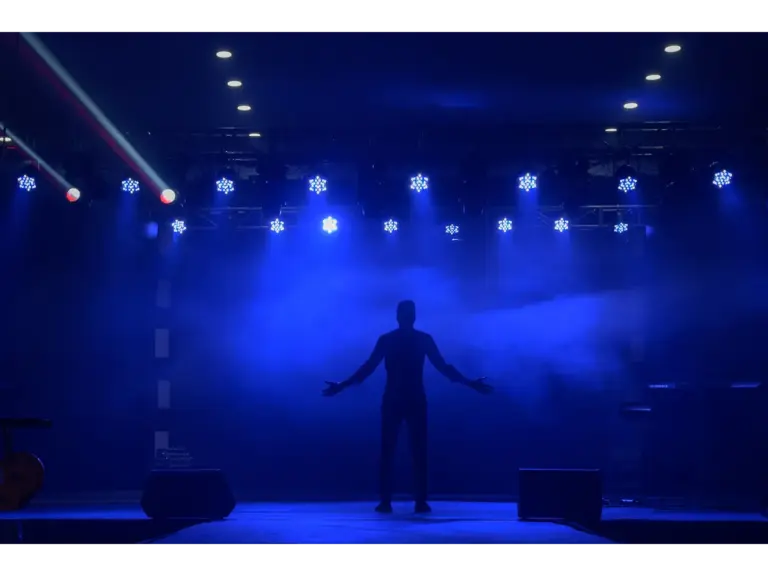
Artists have been trading shots for as long as music has existed. What’s different now is the speed and the volume. Social media turned every piece of music drama into a live event, with fans acting less like bystanders and more like they’ve got a stake in the outcome.
One vague tweet, one lyric dropped at a suspiciously convenient moment, one look during an interview, and the internet lights up. Fans pore over every line like of music drama they’re cracking a code, which is really kind of funny: ordinary people turning into amateur investigators over a single bar.
But there’s something more going on underneath the jokes and screenshots. The music drama make fans feel close to the artists they follow. They’re unpolished and human in a way the industry usually tries to smooth over. A public beef is proof that the people making the music are still just people, reacting, hurting, competing, even when it shows up as a diss track instead of something more private.
Why Fans Treat It Like Breaking News
Fans aren’t drawn to music drama because they want to see someone lose. They’re drawn to it because it feels genuine. In a landscape where so much content is managed and pre-approved, conflict is one of the few things that still looks spontaneous.
There’s also something more basic at work: people like taking sides. A feud turns casual listening into loyalty. Suddenly fans aren’t just streaming a song, they’re defending an artist the way they’d defend a friend.
The industry has clearly noticed. Labels might act like they’re staying out of it, but streaming numbers tell a different story every time a new verse lands with an unmistakable target. Conflict pulls attention, attention pulls revenue, and that’s the uncomfortable engine running underneath a lot of “spontaneous” drama.
When Beef Builds the Culture Instead of Tearing It Down

Here’s the part that gets overlooked: feuds don’t just entertain; they push things forward. Some of music’s biggest turning points came out of rivalry. Competition has a way of forcing artists to actually try, tighter writing, better production, less filler.
Plenty of the songs people still consider classics exist because one artist wanted to outdo another, not necessarily tear them down. Rivalry, even messy rivalry, tends to raise the bar.
And beyond the songs themselves, these feuds end up standing in for bigger cultural conversations, about identity, ego, power, and belonging. Watching two artists go back and forth often means watching the culture work something out in real time.
Why It’s Not Going Anywhere
Feuds aren’t disappearing, if anything, they’re just changing shape. Artists know they’re being watched, and fans know they’re part of the audience for a story that’s still being written. Every new conflict becomes a moment, every diss becomes a talking point, and every reconciliation becomes its own kind of headline.
It’s messy. It’s emotional. It doesn’t always make sense.
But it’s exactly why beef still shapes the conversation around music, because music was never just about sound. It’s about story, and nothing moves a story forward like a little well-timed conflict.
When the Beat Finally Settles
Music drama isn’t just background noise; it’s the heartbeat that keeps fans glued to every twist and turn. Even when the songs fade, music drama lingers, shaping how we talk, react, and connect to the artists we love. It’s messy, emotional, and it is the most human part of the industry. And as long as artists keep pushing boundaries, music drama will keep driving the culture forward.
