
The 1930s Lincoln Roadster: Luxury, V12 Power, and the Legacy of the Model K

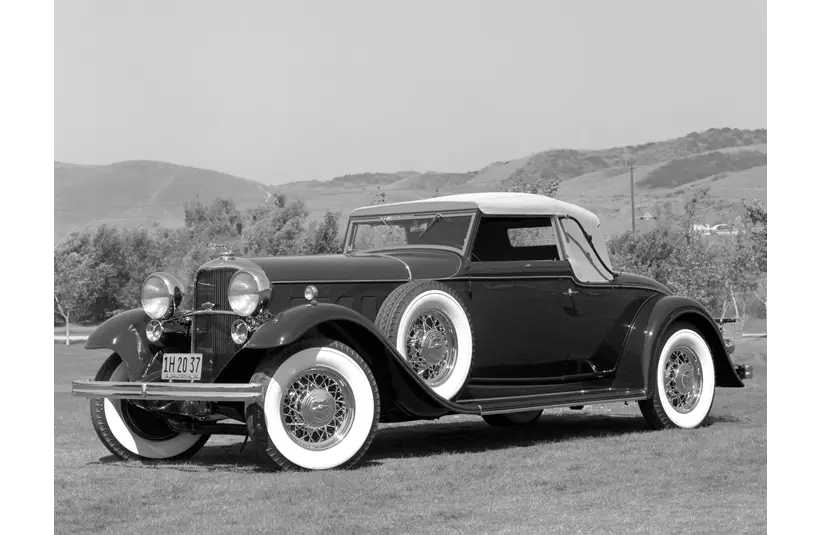
The 1930s Lincoln Roadster was a luxurious automobile. Though it started with a V8 engine, by 1932 it had a V12. The Roadster always had a 145-inch wheelbase. Because it underwent rigorous testing before leaving the factory, it was the lap of luxury. The car incorporated many Ford ideas. The car was produced from 1931 to 1940.
It is interesting to note that the current Lincoln Town Cars and Continentals are direct descendants of this car, so its impact is felt even today. The V12 engine, which was installed in the car in 1932, became the standard engine for the car company for twenty years. Do you think a V12 engine is too big and powerful for modern cars?
Lincoln Roadster 1930-1932
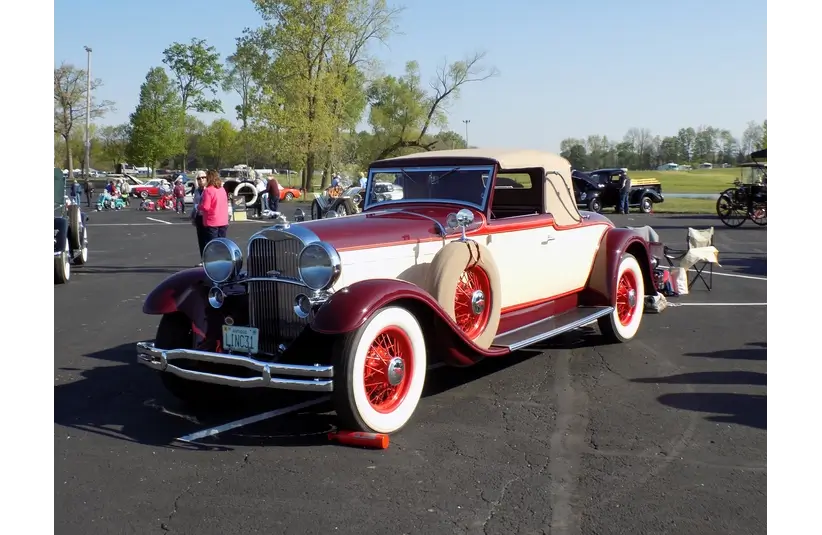
The Lincoln Roadster was produced from 1931 to 1940. The original automobile was the Model K, and was sold in the 1931 model year. The car was noteworthy because it was on a new chassis with a 145-inch wheelbase. There were two options: factory bodies were available in two- or four-doors. The 6.3-liter engine was a derivative of the earlier L-series V8 engine. However, a dual-venturi downdraft Stromberg carburetor, higher compression, and altered timing raised the power to 120 horsepower, much more powerful than the L-Series.
Lincoln offered a list of coachbuilders with great reputations that were contracted out. Some companies that were retained from the previous Model L were Wolfington, Judkins, Willoughby, Brunn, LeBaron, Dietrich, Locke, Derham, Rollston, Waterhouse, and Murphy. These are some old names. The company had many wealthy repeat customers who were loyal to the brand.
A new car was produced in 1932. The Lincoln K series had two lines, the V8 carryover Model KA and the new V12-powered Model KB. The V8 had a shorter 136-inch wheelbase, and its engine output was increased to 125 horsepower. The KB, though, featured the car’s new V12 engine.
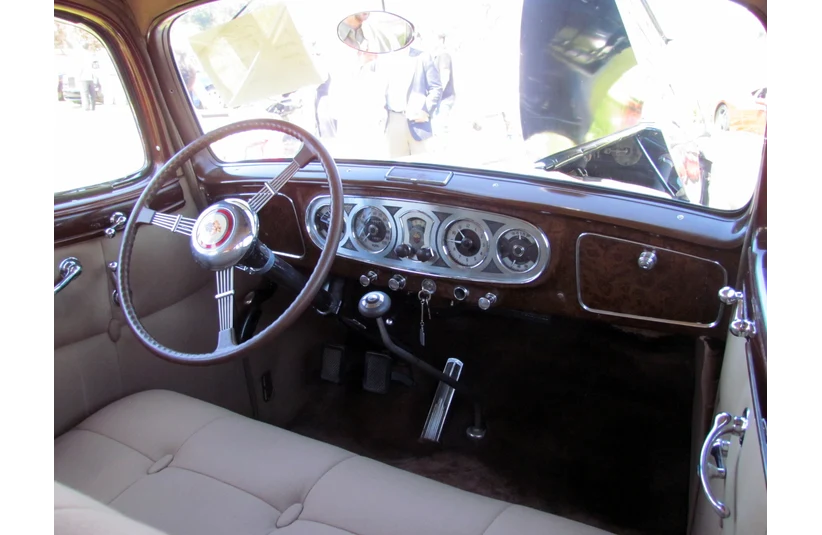
In 1932, the Victoria Coupe was offered with both a steel roof and a convertible. The coupe was the inspiration for the smaller 1932 Ford Victoria coupe, also offered with a V8 engine but at a more affordable price. The Lincoln Victoria coupe, first introduced in limited numbers in 1929, was a more luxurious version of the car.
The New V12 Engine
There were further changes in 1933. The V8 engine in the Model KA was replaced with a new V12 engine. This engine was the same as the big KB engine, which continued unchanged. The 1933 K-series Lincolns featured many changes, only a few of which were readily visible. These included removing the bar linking the headlights and returning the hood louvers, which were the most noticeable changes. However, the revised chassis, thermostatic shock absorbers, adjustable-pressure brake, and transmission made the greatest difference to the car’s drivability.
In 1934, both V12 engines were replaced by a single 414 cubic inch V12. The KA and KB versions were only different now in the wheelbase. Styling innovations included a body-colored grille surround and replacing the hood louvers with doors on the sides of the hood. These changes made the car look different, and the standard V12 engine made both versions of the car fast.
The Depression and Decline
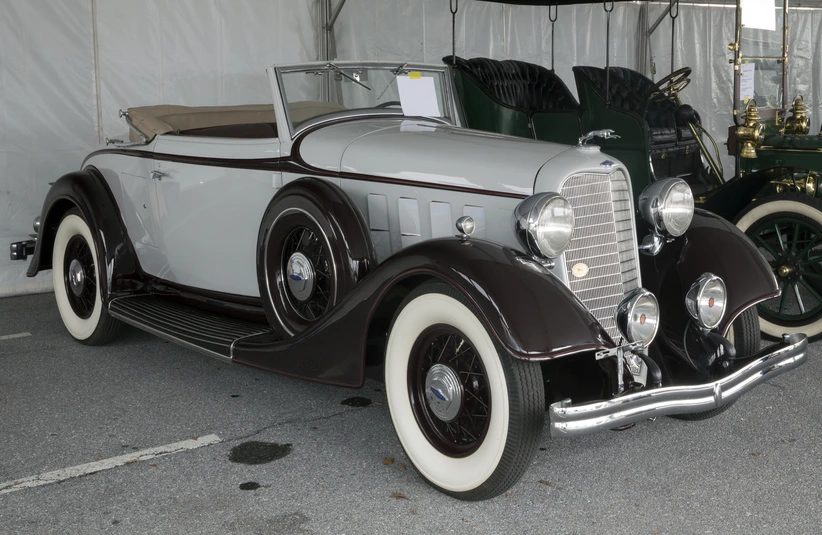
In 1935, the Lincoln line was shortened, with all cars called Model K. Profitability was a focus. The car was priced at more than $4,000 per segment. This was a lot of money in the depression-wracked United States. In 1936, the less-expensive, more modern Lincoln-Zephyr debuted as the company tried to sell cars during the Depression. The grille and front fascia were redesigned, and a raked windshield and pressed-steel wheels were also used. So, this car looked different from its immediate predecessor. Some Model Ks were produced, and they were the best-selling cars, despite the $4,000 price during the Great Depression.
The Model K continued in production for five more years, but sales declined rapidly because of the economic times and other, more attractive options. The other options included the modern Zephyr and the new Continental, being more appealing to buyers. Production was completed during the 1939 model year, and the last Lincoln K series was delivered in January 1940. The most notable car produced was the “Sunshine Special” parade phaeton was built for President Franklin Delano Roosevelt in 1939.
Parting Shots
The 1930s Lincoln Roadster is an important car because several models available today are descendants of it. The Roadster is also important because of the large V12 engine that was eventually put in the car. This car pushed the frontier for automotive power in the United States.
