
The Time Mario and Sonic Buried the Console War Under Warmth

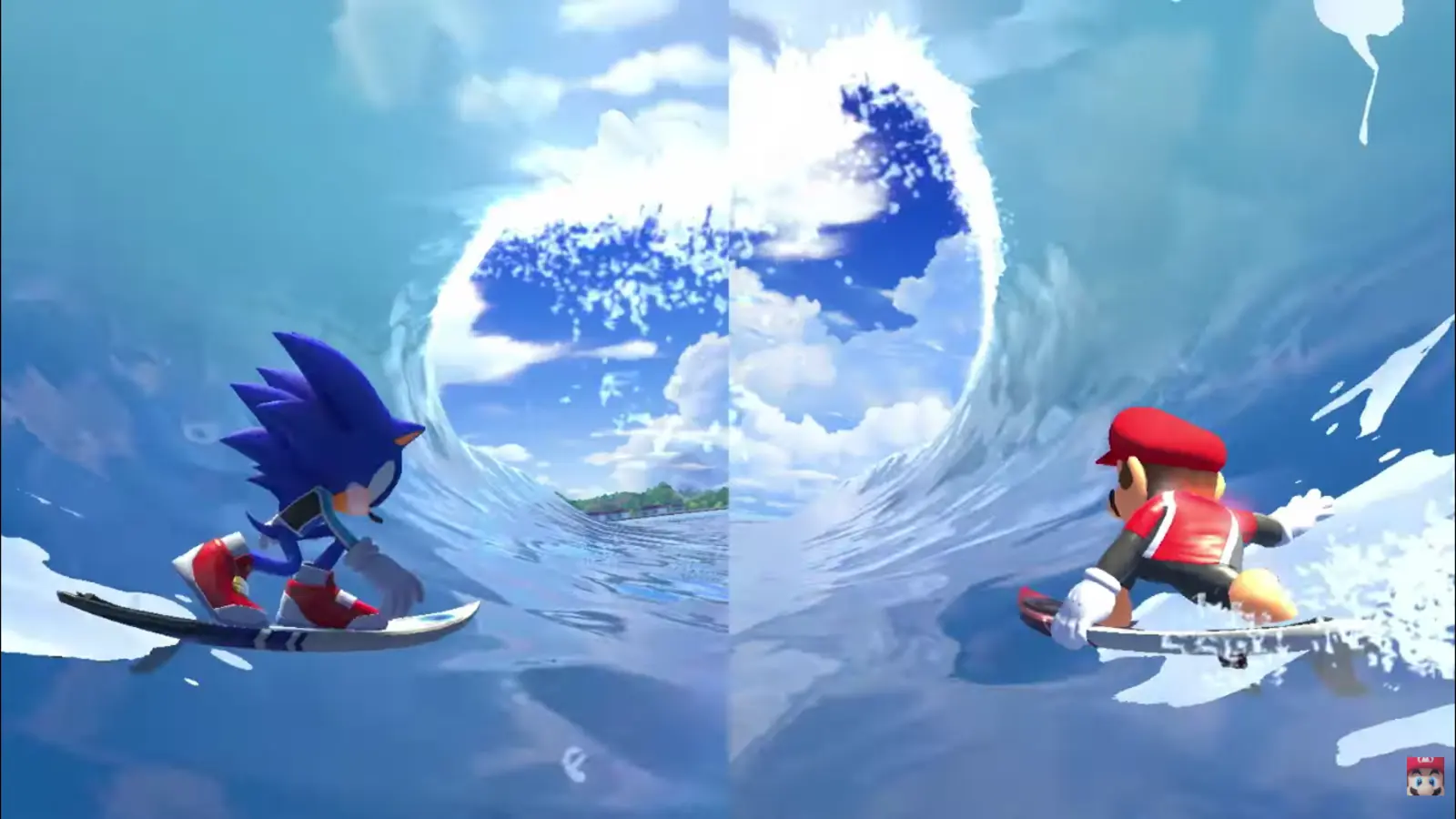
Mario once stood as the smiling face of Nintendo while Sonic the Hedgehog screamed attitude and speed from the other side of the console war. Sega built its entire marketing campaign around attacking Mario directly, portraying Sonic as a cool, rad dude while teachers asked him to behave nicely like that chubby plumber. Those commercials worked wonders in the nineteen-nineties, fueling a bitter rivalry that split living rooms and playgrounds across America. Why would two cartoon mascots inspire such fierce loyalty that kids chose sides like they were picking a sports team?
Sega’s Marketing Machine Aimed Straight at Mario
The Sega Genesis era burned bright, but by two thousand one, Sega’s console business had collapsed completely. Sega made the painful decision to exit the hardware market and become a third-party developer, which meant only one thing: time for Sonic to make nice with Mario. That shift opened the door for a reunion that nobody expected, least of all the fans who grew up drawing battle lines between mushroom kingdoms and loop de loops.
Sega’s cutting-edge marketing, at least by nineteen-nineties standards, took direct aim at Nintendo’s beloved plumber with surprising ferocity. Sonic the Hedgehog moved fast, talked back, and wore sneakers instead of overalls, appealing to an older crowd that found Mario too wholesome and predictable. Commercials showed Sonic rolling his eyes at Mario’s polite manners, and teachers begging Sonic to be a nice boy like that other famous video game character.
That strategy worked brilliantly for a while, pushing Sega to the front of the sixteen-bit generation and forcing Nintendo to play catch-up. But the follow-up to the Genesis, including the Sega Saturn and Dreamcast, stumbled hard against Sony’s PlayStation and Nintendo’s own consoles. By two thousand one, Sega took its ball and went home, cutting losses and shifting focus to making games for the very systems it once tried to destroy. Does losing a console war feel worse when you have to shake hands with the winner and ask for a job?
The First Meeting Turned Surprisingly Emotional
Former Sega executive Mike Fischer recalled a touching moment in an interview with Sega-16 that showed exactly how the reconciliation played out. Sega representatives brought a Sonic the Hedgehog mascot costume up to Nintendo of America for a formal meeting between the two former rivals. When they arrived at the door, Nintendo had a Mario mascot waiting right there, arms open, ready to greet Sonic properly. The two characters, once locked in a bitter marketing war that defined a generation, literally hugged it out in the doorway of Nintendo’s own building.
Mario welcomed his old nemesis inside with warmth that surprised everyone who remembered the nasty commercials and aggressive billboards. Fischer admitted he got a little teary-eyed when he saw that happen, calling the moment the sweetest thing he witnessed in his entire career. Who knew that two people in fuzzy costumes could undo years of corporate warfare with a single embrace that took less than five seconds?
Arakawa Witnessed the Historic Handshake
Minoru Arakawa, the founder and president of Nintendo of America at the time, stood there watching as Mario hugged Sonic at his own front door. That detail matters because Arakawa helped build Nintendo’s American empire from nothing, turning a playing card company into a video game giant. He watched Sega rise, attack, and fall, and he never once blinked or backed down from the fight. Seeing him present for that hug suggests Nintendo approved of the reconciliation from the very top, not just from some department lackey.
The moment carried weight because these two companies spent nearly a decade trying to destroy each other in stores, magazines, and television commercials. Now here stood their mascots, face to face, embracing like old friends who survived a terrible argument. Could any image better capture the end of an era than Mario patting Sonic on the back while executives fought back tears in the background?
From Console War to Olympic Partnership
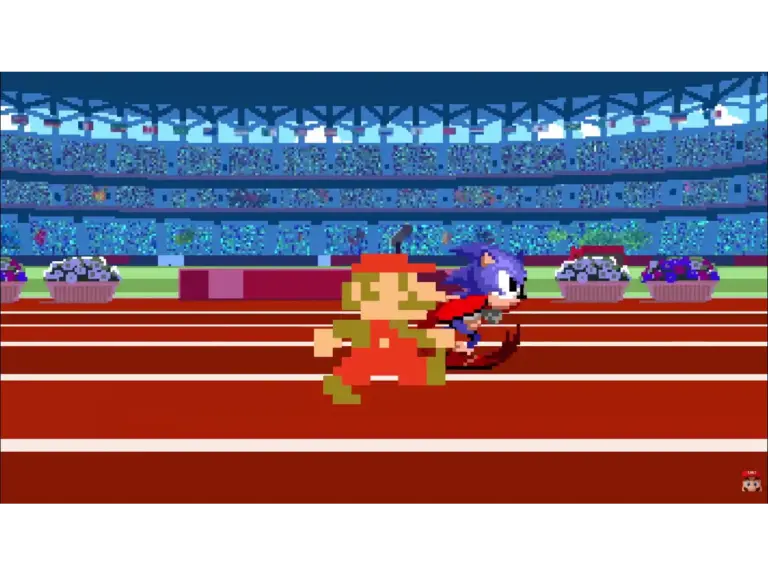
That hug opened the door for a brand new relationship that eventually gave fans the crossover games they never thought possible. The first official game featuring both Mario and Sonic together arrived as Mario and Sonic at the Olympic Games, a title that still sounds strange to anyone who lived through the nineties. That game put the former rivals on the same screen, competing fairly instead of insulting each other in thirty-second commercials.
Sonic the Hedgehog appeared in seven of those Olympic spin-offs, sharing space with Mario as if they had always been friendly neighbors instead of bitter enemies. The covers of those games show the two mascots standing side by side, smiling, with no trace of the old animosity left behind. Sega found a new life as a third-party developer, releasing Sonic games on Nintendo consoles that once seemed impossible. Does any former rival deserve more credit for swallowing pride and shaking hands than Sega, which went from attacking Mario to letting him guest star in Sonic racing games?
The Mascot Hug Became Gaming Legend
That simple hug between two people in furry costumes transformed into a symbol of peace for an entire generation of gamers who grew up fighting about blast processing versus mode seven. Fans who drew Sonic on their notebooks and Mario on their sneakers finally had permission to like both characters without betraying their chosen side. The moment proved that corporate rivalries belong in boardrooms, not in the hearts of people who just want to play fun games. Mike Fischer got teary-eyed at the sight, and plenty of grown-up gamers feel the same way when they watch footage of that embrace online.
Sega walked away from the console business with dignity, choosing survival over stubborn pride, and Nintendo welcomed them back like a forgiving older sibling. That hug at the door of Nintendo of America marked the official end of the console wars, even if nobody realized it at the time. Does any other moment in gaming history capture forgiveness better than Mario opening his arms to the hedgehog who once told kids to grow up and stop playing baby games?
Sonic Found a New Home on Nintendo Hardware
After that hug, Sonic games started appearing on Nintendo consoles with surprising regularity, starting with ports of older Sega titles. Nintendo fans finally got to play Sonic Adventure and Sonic Heroes on GameCube, systems they never expected to see that blue blur on. Sonic even appeared as a playable character in Super Smash Bros. Brawl, fighting Mario directly but this time as friendly competition rather than corporate warfare. That inclusion felt monumental because Sonic joined a roster of Nintendo all-stars, proving that Sega trusted Nintendo with their most valuable character.
Sonic the Hedgehog now appears more frequently on Nintendo hardware than he ever did on Sega’s own Dreamcast. The two mascots share racing games, party games, and Olympic titles as if they grew up in the same neighborhood instead of opposite sides of a battlefield. Could anyone in nineteen ninety four have predicted that Mario and Sonic would one day hold hands during an Olympic opening ceremony while children clapped instead of choosing sides?
The Console Wars Ended With a Hug
Mario’s and Sonic’s embrace at Nintendo of America remains one of the sweetest, strangest moments in video game history. That hug signaled the end of an era defined by aggressive marketing, bitter fan loyalty, and two companies fighting for the same living room real estate. Sega chose survival over pride, and Nintendo chose generosity over gloating, setting an example for every industry rivalry that followed. Mike Fischer got teary-eyed, and plenty of former Sega and Nintendo employees probably felt the same way watching their mascots make peace.
The console wars feel distant now, a relic of a time when kids argued about bits and processing power instead of frame rates and digital storefronts. But that hug at the door reminds us that even the fiercest rivals can find common ground when the fight stops making sense. Sometimes the bravest thing a company can do is put down the controller, walk across the room, and give the other player a hug.
Follow David Gilbert for Entertainment, Gaming, and Current Affairs Coverage
Stay connected with David Gilbert for the latest updates on entertainment, gaming, technology, science, and current affairs.
You can also explore more of David Gilbert’s reporting and analysis across Total Apex Entertainment and Total Apex Herald.
