
From Art Deco to ’90s Icon: The Unexpected Evolution of the Chrysler LeBaron

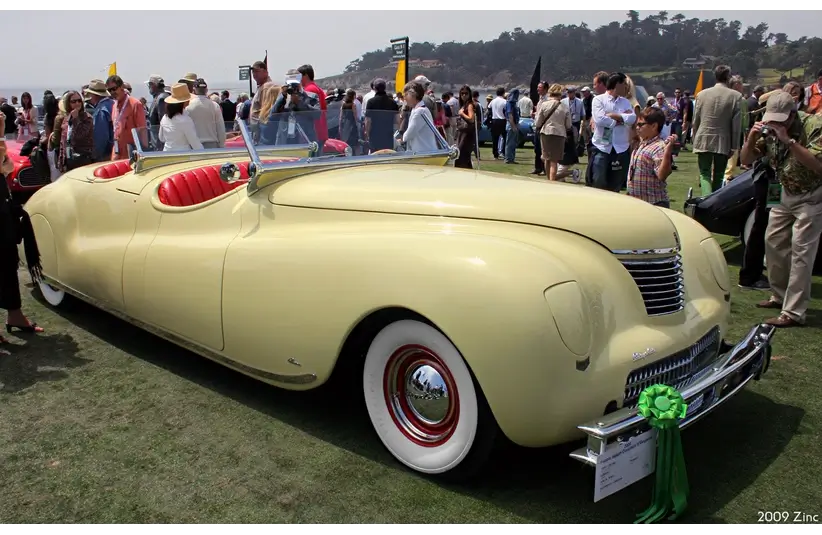
The Chrysler LeBaron was produced in three iterations, the first of which was produced from 1931 to 1941. This car was noteworthy for several innovations that are now standard. The company, now defunct, was, at the time, the third-largest automotive company in the United States. The company was also the second-best seller in the United States.
The other iterations of the Chrysler LeBaron were from 1957 to 1971, called the Imperial LeBaron, and from 1977 to 1995. There were two other iterations of related cars that bore the LeBaron nameplate. The car was replaced in 1995, making it one of the longest-running brands for Chrysler. Do you think the duration of the car’s run means it had a strong effect on American Automotive history?
Chrysler LeBaron 1931-1951 Summary
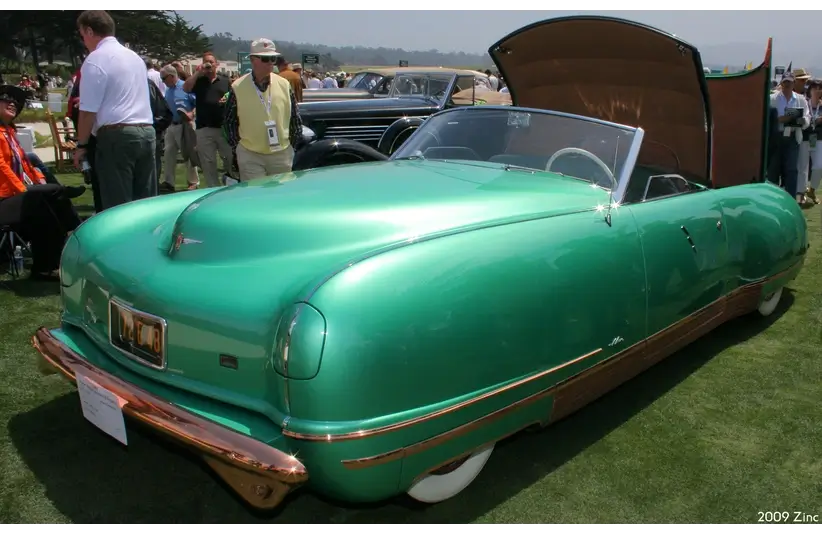
The Chrysler LeBarons started in the 1930s during the automobile’s Classic era and competed directly with the luxury brands of its day, such as Lincoln, Cadillac, and Packard. This was the time period where the car was romanticized, and the American Family first saw owning a car as a necessary status symbol. With so many variations to this car, including a convertible, there were many American dreams of driving this car down winding country roads.
By 1935, Chrysler added an “Art Deco” design shape (the first of many redesigns of the LeBaron). This new model was known as the Airflow Imperial. The LeBaron supplied the high-end series, called the CW. The design features were considered very advanced and ahead of their time. However, the shape was too radical for buyers’ tastes, and non-Airflow models outsold Airflows by about 3 to 1. It is often the case that advanced automobiles are not commercial successes.
Raymond Dietrich was hired in 1932 to be Chrysler’s in-house stylist as a direct result of the poor sales. He became a key figure in the early history of the car. He restyled the Airflow line and moved Chrysler’s to more mainstream styles. As a result of the poor Airflow sales, Chrysler’s designs became conservative for the next twenty years or so. It was hoped that these changes would appeal more to the marketplace, but this desire did not pan out.
In the latter half of the decade, LeBaron/Briggs built more bodies for Chrysler, which biggest customer. There were additional bodies built for the car manufacturers Packard, Hudson, and Graham-Paige. In an obscure piece of automotive history, during the late 1930s and early 1940s, the LeBaron name and division became less important for Briggs, although the LeBaron remained a division of Briggs until Chrysler bought them out in 1953.
LeBaron’s last projects for the car company, in its first iteration, were two concept cars: the Chrysler Newport Phaeton, a super-streamlined dual cowl phaeton with an aluminum body, and the remarkable 1941 Chrysler Thunderbolt. That one was a roadster with concealed headlights and a retractable metal hardtop. Only 6 of each were made.
The redesigns, twists, and turns of the early car are important because the car stayed in production for so long, in three iterations. This is remarkable for the classic cars of the period because most of them were produced only for a few years, and in one edition. However, this car was so flexible and redesigned so many times by such talented designers that it persisted for a long time.
Parting Shots
This car is noteworthy because it was in production for so long, in three iterations. The Initial LeBaron went through many redesign twists and turns in early redesigns and proved very flexible. That was the key to its longevity, and we can see it right at the beginning of the automotive line.
