
Vince Staples Makes America the Real Cry Baby With New Album

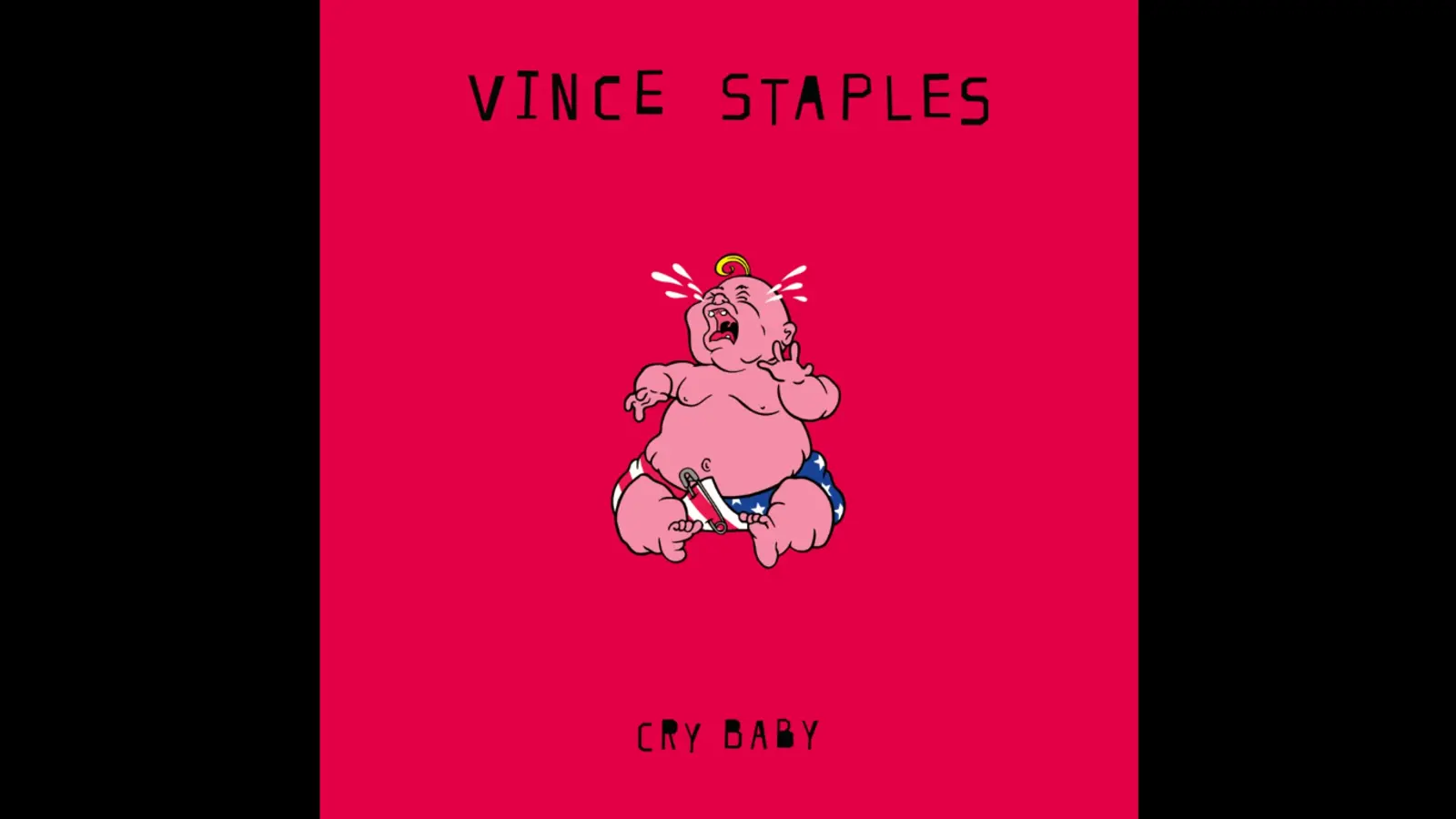
Vince Staples just released his first independent album since leaving Def Jam Recordings in 2024, and the man sounds absolutely unleashed. The album titled Cry Baby arrives at a moment when America feels like it is coming apart at the seams, and Staples does not plan to pretend otherwise. He trades his usual dry, avant-garde style for a rock-rap hybrid that hits harder than anything he has made before. Does a record label switch really change an artist’s voice that dramatically, or did Staples simply find the courage to say what he always wanted to say?
Vince Staples Refuses to Stay Quiet Any Longer
The album serves as a blistering response to the heightened violence and racial tension that now defines daily life across the country. Staples turns his gaze toward the institutions and symbols that America holds most dear, and he does not blink. Cry Baby marks a new chapter for an artist who has never shied away from uncomfortable truths, but this time the gloves come off completely.
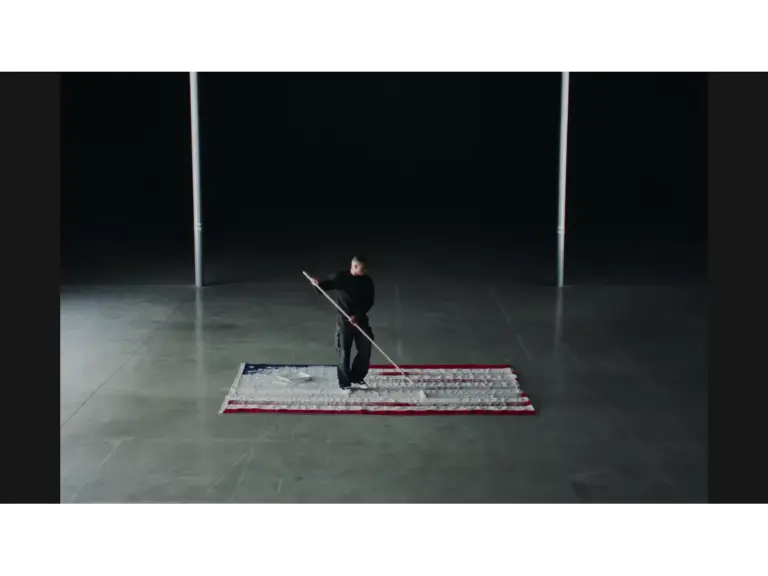
The music video for the track White Flag shows Staples rolling bright white paint over an American flag, and the image lands like a punch to the gut. He stands there with a resigned but meditative expression while the line about not wanting to fight anymore plays over a moody beat. Then he picks up an automatic rifle and shoots that same flag to pieces, a moment that will make some viewers cheer, and others turn away in disgust.
What does it say about a country when its most famous symbols provoke such violent artistic responses from its own citizens? Staples does not leave much room for interpretation here, because the message arrives loud and clear. The white flag represents surrender, but in this context, surrender means refusing to keep pretending everything is fine. Cry Baby uses that image to ask whether America deserves the loyalty it demands from the people it continually fails.
The Running Man Calls for Revolution
On another track called The Running Man, Staples adopts an urgent vocal delivery that sounds like someone running out of time. He borrows a famous line from the East Coast duo Mobb Deep, reminding listeners that a war is going on outside with no safety for anyone. His own lyrics push even harder, declaring that the time for revolution has arrived and that dark times have fallen on melanated people. Does a rapper calling for revolution cross a line, or does it simply reflect what millions already feel in their bones every single day?
The song captures a specific moment in American history where patience has worn thin and frustration has boiled over. Staples does not advocate for violence explicitly, but he also does not condemn those who have run out of peaceful options. The track stands as one of the album’s most urgent moments, a wake-up call wrapped in a rock-rap beat. Cry Baby refuses to let listeners sit comfortably, and The Running Man makes that refusal impossible to ignore.
Blackberry Marmalade and Casual Horror
The lead single Blackberry Marmalade comes with a music video that portrays a racist shooting so casual and routine that the sheer normalcy becomes the point. No dramatic music swells, no slow motion tears, just violence treated as another Tuesday afternoon in America. The lyrics drive the message home with lines about not letting hatred get to you, understanding that miserable people cause misery, and recognizing that behind every smile lies the thought of ending your life.
Have American norms shifted so far that this kind of art now feels like documentary footage rather than political commentary? Staples pairs these heavy themes with a playful energy at times, but the underlying dread never disappears. He also pays tribute to Black cultural innovation on tracks like The Big Bad Wolf, where he chops up a sample from Slick Rick’s Children’s Story. That old track once told a tale about a cop shooting a kid, and here it is decades later, and nothing has changed except the technology used to record the horror.
Punk Energy Drives the Political Message
The production on Cry Baby carries a rough anti-establishment energy that most rappers in Staples’ position would struggle to pull off authentically. He builds the sound around screeching guitars, thick bassy undertones, and a compressed crunchiness that feels like punk rock crashing into hip-hop. This sonic shift from his earlier work does not feel like a gimmick or a desperate grab for relevance. Does the music hit harder because the message matters more, or does Staples simply understand that form and function must work together?
The spontaneous rebellious spirit of the album comes from a genuine place, not from a focus group or a marketing meeting. Staples has always been an honest storyteller, but Cry Baby adds a fresh layer of urgency to his already impressive catalog. The album proves that independence has unlocked something in him, a capacity for political expression that his previous label situation may have quietly discouraged. Cry Baby stands as both a protest record and a piece of art, and it succeeds brilliantly at being both at the same time.
A New Chapter for an Old Voice
Cry Baby represents a shift for Vince Staples, but it does not feel like a departure from who he has always been as an artist. He perfected a certain kind of dry-witted, avant-garde hip-hop over the years, full of self-effacing bars and janky synth beats. Now he trades that for something louder, angrier, and more direct, and the gamble pays off in every single track. Does an artist owe it to their audience to speak out during times of crisis, or is silence also a valid artistic choice?
Staples clearly falls on the side of speaking out, and Cry Baby gives him the platform to do exactly that. The prospect of him building on this piercing, riotous political gaze for future projects feels genuinely exciting for anyone who cares about where hip-hop goes next. Vince Staples has found his voice all over again, and this time he refuses to lower the volume for anyone. Cry Baby may make some listeners uncomfortable, but that discomfort is the entire point.
Where to Check Out All Things Entertainment, Gaming, and Current Affairs
Social Media from David Gilbert
