
Call Preference: Empowered Home Office Reality Check: Do Remote Workers Prefer Inbound or Outbound Calls When Working From Home?


If you’ve ever tried to take a work call while your dog is losing its mind over a squirrel, your kid is asking where their other shoe went, and your air fryer is beeping like it’s in distress, you already know remote work isn’t the serene Pinterest fantasy people pretend it is. And when it comes to Call Preference, remote workers have opinions. Loud ones. Because the type of calls you handle can make or break your sanity depending on how chaotic your home environment is on any given Tuesday.
Summer 2026 has turned working from home into a full‑contact sport. The heat is disrespectful, the AC is fighting for its life, and half the country is trying to take Zoom calls from makeshift desks that used to be dining tables. So yeah, inbound vs. outbound calls? Call Preference matters more than people think.
Let’s break down what remote workers’ Call Preference, why they prefer it, and how home setups quietly influence the whole debate.
Inbound Calls: The “I’ll Handle It When It Comes” Crowd
Inbound calls are basically the customer service version of jump scares. You don’t know when they’re coming, who’s calling, or what emotional state they’ll be in. But for a surprising number of remote workers, inbound calls are the lesser evil.
Why? Because inbound calls let you structure your day around reacting, not initiating. You can fold laundry between calls, refill your iced coffee, or stare out the window contemplating your life choices without having to psych yourself up to dial someone.
Inbound calls also work better for people with unpredictable home environments. If your house is a rotating circus of noise, kids, pets, neighbors mowing their lawn at 7 a.m., inbound calls give you breathing room. You’re not constantly trying to find the perfect quiet moment to make an outbound call. You just answer when it rings and hope your background noise doesn’t sound like a live wildlife documentary.
For many remote workers, inbound calls feel manageable, flexible, and less emotionally draining. And in the world of Call Preference, that’s a big win.
Outbound Calls: The “Let Me Control the Chaos” Crew
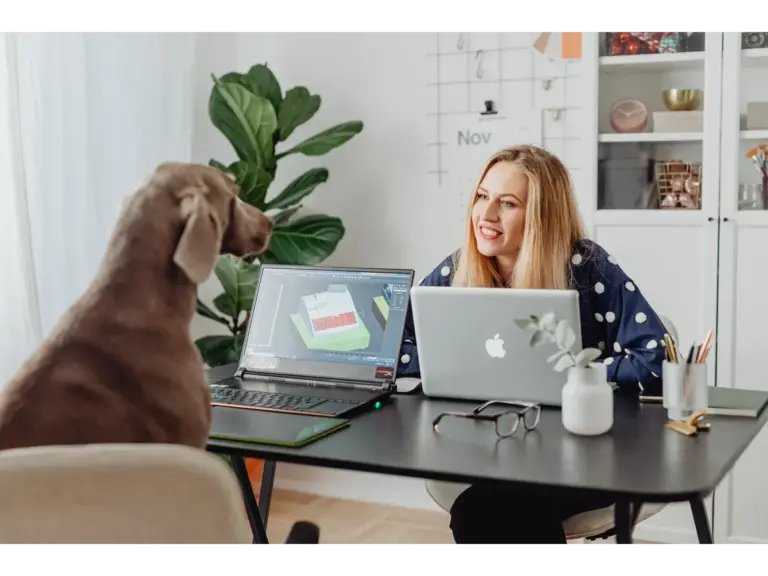
Outbound calls are for the planners, the schedulers, the people who color‑code their Google Calendar and actually enjoy it. These workers Call Preference is knowing exactly who they’re calling, why they’re calling, and when the call is happening.
Outbound calls give you control, and control is a luxury when your home office is also your living room, your kitchen, and occasionally your therapy space.
Remote workers who prefer outbound calls usually have:
- A quieter home
- A dedicated workspace
- A predictable routine
- A personality that hates surprises
Outbound calls also feel more professional. You set the tone. You lead the conversation. You don’t get ambushed by someone asking why their bill is $4.72 higher this month.
But outbound calls come with pressure. You have to make sure your environment is quiet, your Wi‑Fi isn’t acting possessed, and your toddler isn’t suddenly screaming because they dropped a Cheerio. Outbound calls demand structure, and not everyone has that luxury.
How Home Setup Secretly Decides Everything
People love to pretend their Call Preference is about personality, but let’s be real, it’s about your house.
If your home is peaceful, outbound calls feel easy. If your home sounds like a live‑action sitcom, inbound calls are your survival strategy.
Your workspace matters too. A dedicated office with a door? Outbound calls all day. A desk squeezed between your couch and your laundry basket? Inbound calls, please and thank you.
Even garden spaces play a role. Some remote workers take calls outside to escape indoor chaos, but outbound calls require silence, and silence is not guaranteed when your neighbor decides today is the perfect day to pressure‑wash their driveway.
Call Preference: The Real Remote‑Work Divide
At the end of the day, remote workers aren’t choosing inbound or outbound calls based on corporate logic. They’re choosing based on their Call Preference and what keeps them sane. And really, that’s the most relatable part of modern work culture.
Inbound calls work for people who need flexibility. Outbound calls work for people who need control.
Both are valid. Both are chaotic in their own way. And both prove that working from home is less about the job and more about surviving your environment with your dignity intact.
