
How to Pack a School Lunch That Stays Fresh (and Cold) Until Lunchtime

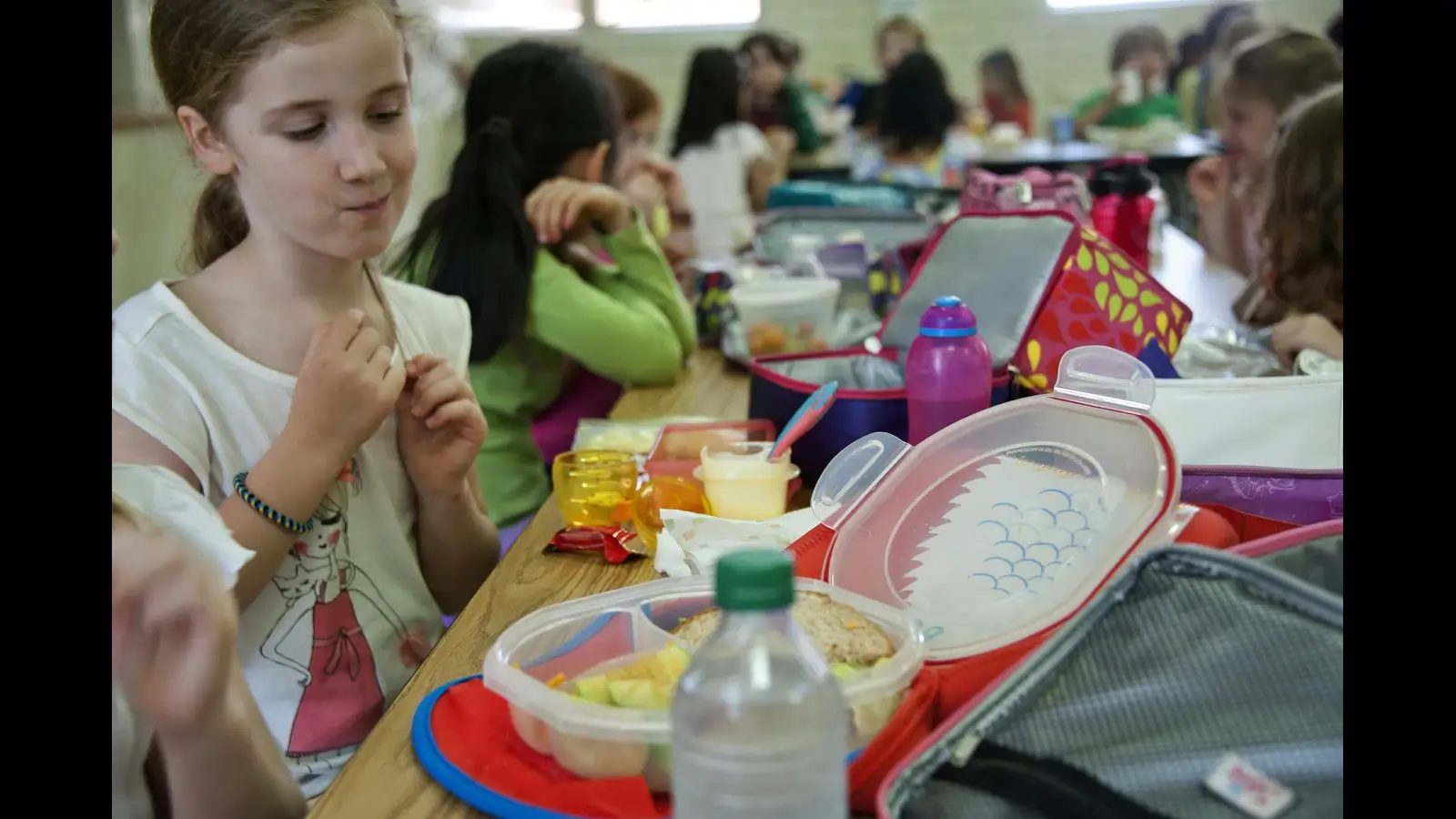
Nobody wants to bite into a lukewarm turkey sandwich at 12:15 p.m. and wonder if it’s been sitting in the danger zone since 7 a.m. That queasy little gut-check is more than a texture complaint. It’s a real food safety question, and the answer isn’t “just throw an ice pack in there and hope.”
Packing a school lunch that stays cold until lunchtime comes down to physics, not luck. Bacteria don’t care how cute your bento box is. They care about temperature, and they multiply fastest between 40°F and 140°F, a range the U.S. Department of Agriculture calls the “Danger Zone.” Perishable food that sits in that zone for more than two hours becomes a legitimate food safety risk, according to the USDA’s Food Safety and Inspection Service. So this isn’t just a back-to-school hack roundup. It’s a rundown of what actually works, straight from the agency whose entire job is keeping food from making you sick.
Why a Packed School Lunch Gets Warm Faster Than You Think
Here’s the part most people get wrong: a single ice pack tossed into a school lunch bag is basically decorative. The USDA recommends at least two cold sources in an insulated bag, positioned so they’re actually doing work against the perishable food, not just riding along next to a juice box. One gel pack cools the air around it. Two, placed strategically, create a cold zone the food actually sits inside.
Foodborne illness can multiply rapidly once food climbs into that 40°F to 140°F window, and that clock speeds up dramatically in hot weather; food shouldn’t sit out more than an hour once the temperature outside tops 90°F. Translation: that August or September heat wave hitting drop-off line? It’s actively working against your kid’s turkey and cheese.
The Two-Cold-Source Rule, Explained
This is the single most useful thing to remember, so commit it to memory: two cold sources, top and bottom.
Place gel packs, frozen water bottles or frozen juice boxes on both the top and bottom of perishable items like meat, poultry and eggs. Cold air sinks, so a single ice pack sitting on top of a sandwich is losing the battle against gravity. Sandwiching the food (pun intended) between two cold sources keeps it inside a genuine cold pocket instead of a lukewarm one with cold spots.
Gel packs should be at least 5×3 inches, and freezing them overnight matters as much as using them at all. A half-frozen pack pulled from a warm freezer shelf isn’t pulling its weight by 11:30 a.m.
What Actually Needs to Stay Cold (and What Doesn’t)
Not everything in the lunchbox is a food safety liability, which is genuinely useful to know before you overpack the ice.
Needs a cold source:
- Meat, poultry, fish
- Eggs
- Most dairy, including yogurt and soft cheese
- Cut fruits and vegetables
Doesn’t need refrigeration:
- Whole, uncut fruits and vegetables
- Hard cheese
- Canned meat or fish
- Chips, breads, crackers, peanut butter and jelly, mustard, and pickles
That last category is a genuine strategy, not a shortcut. Building a school lunch around shelf-stable staples (a whole apple instead of pre-sliced, a hard cheese instead of string cheese, PB&J instead of turkey) means fewer things that can go wrong if a cold pack underperforms.
The Insulated Bag Actually Matters
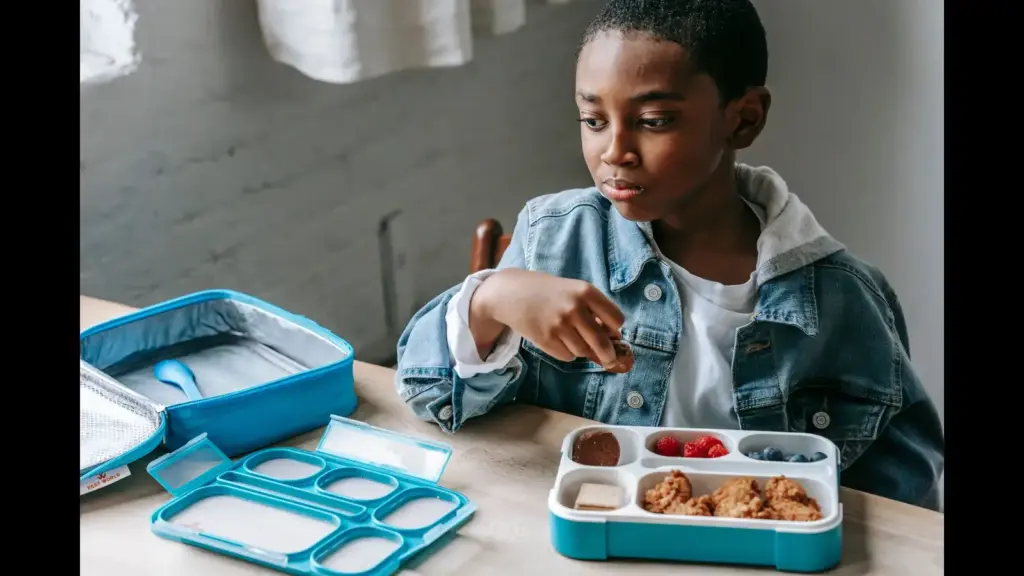
Food left in an old-fashioned paper bag is considered unsafe after more than two hours, according to the USDA, and a paper bag has zero insulating properties to begin with. If a paper bag is the only option, USDA’s own materials suggest double-bagging it to add a layer of insulation, though that’s a workaround, not a real fix.
An actual insulated lunch box or soft-sided bag does the heavy lifting here. Paired with a chilled gel pack, it can keep perishable food cold and safe all the way to lunchtime. If you’re refrigerating the packed bag overnight before school, leave the lid or bag partially open in the fridge so cold air can actually circulate, then seal it up right before you walk out the door.
The Freezer Sandwich Trick, and Its Limits
Freezing a sandwich the night before is a legitimate move, and it does double duty as its own cold source. The USDA notes that freezing sandwiches helps keep them cold through the morning, and by lunchtime, most have thawed to a normal, edible texture.
The catch: don’t freeze sandwiches made with mayonnaise, lettuce or tomatoes, since those ingredients don’t hold up well to freezing and thawing. Add anything watery or mayo-based fresh in the morning instead, ideally packed against your two cold sources like everything else.
Hot Lunches Get the Opposite Treatment
Soup, chili and leftover pasta need the reverse strategy: keeping heat in, not cold. Preheat the insulated container by filling it with boiling water, letting it sit a few minutes, then dumping the water and adding the hot food immediately. Keep the container sealed until lunchtime to hold food at or above 140°F, the same Danger Zone threshold working in the opposite direction.
After Lunch: Don’t Save the Leftovers
This one trips people up because it feels wasteful, but it’s non-negotiable. Any perishable food that spent more than two hours in the Danger Zone should be discarded, not saved for an after-school snack. The same goes for used disposable packaging, which shouldn’t be reused since it can cross-contaminate future food. If half a sandwich comes home in a lunch bag that’s been sitting in a hot backpack all day, it’s genuinely safer to toss it than risk it.
The Bottom Line
Keeping a school lunch cold until noon isn’t about buying the fanciest lunchbox on the market. It’s two properly frozen cold sources, positioned above and below the food, inside an actual insulated bag, packed as close to departure time as possible. Do that consistently, and the science is on your side.
FAQ Section
How many ice packs do I need to keep a school lunch cold?
At least two, placed on top and bottom of perishable food items. One ice pack alone typically isn’t enough to keep an insulated bag below 40°F for a full school day.
How long can lunch meat sit out before it’s unsafe?
No more than two hours at normal room temperature, or just one hour if it’s above 90°F outside.
Can I freeze a sandwich the night before school?
Yes, and it doubles as a cold source. Just skip freezing mayonnaise, lettuce or tomato, and add those fresh in the morning instead.
Do whole fruits and vegetables need to be kept cold?
No. Whole, uncut produce like apples, oranges and carrots don’t require refrigeration, unlike pre-cut fruit and veggies.
Is a paper lunch bag safe for perishable food?
Not really. Food kept in a paper bag longer than two hours is considered unsafe by USDA standards because paper bags don’t insulate. An insulated lunch box is the better call.
Should I refrigerate a packed lunch overnight?
Yes, if you’re prepping the school lunch the night before. Store it in the fridge with the lid or bag left open for airflow, then add ice packs and seal it right before leaving.
Written with the help of AI, reviewed and edited by Harmony Daniels.
