
School Cafeteria Prices Are Climbing in 2026 — What Parents Should Budget For

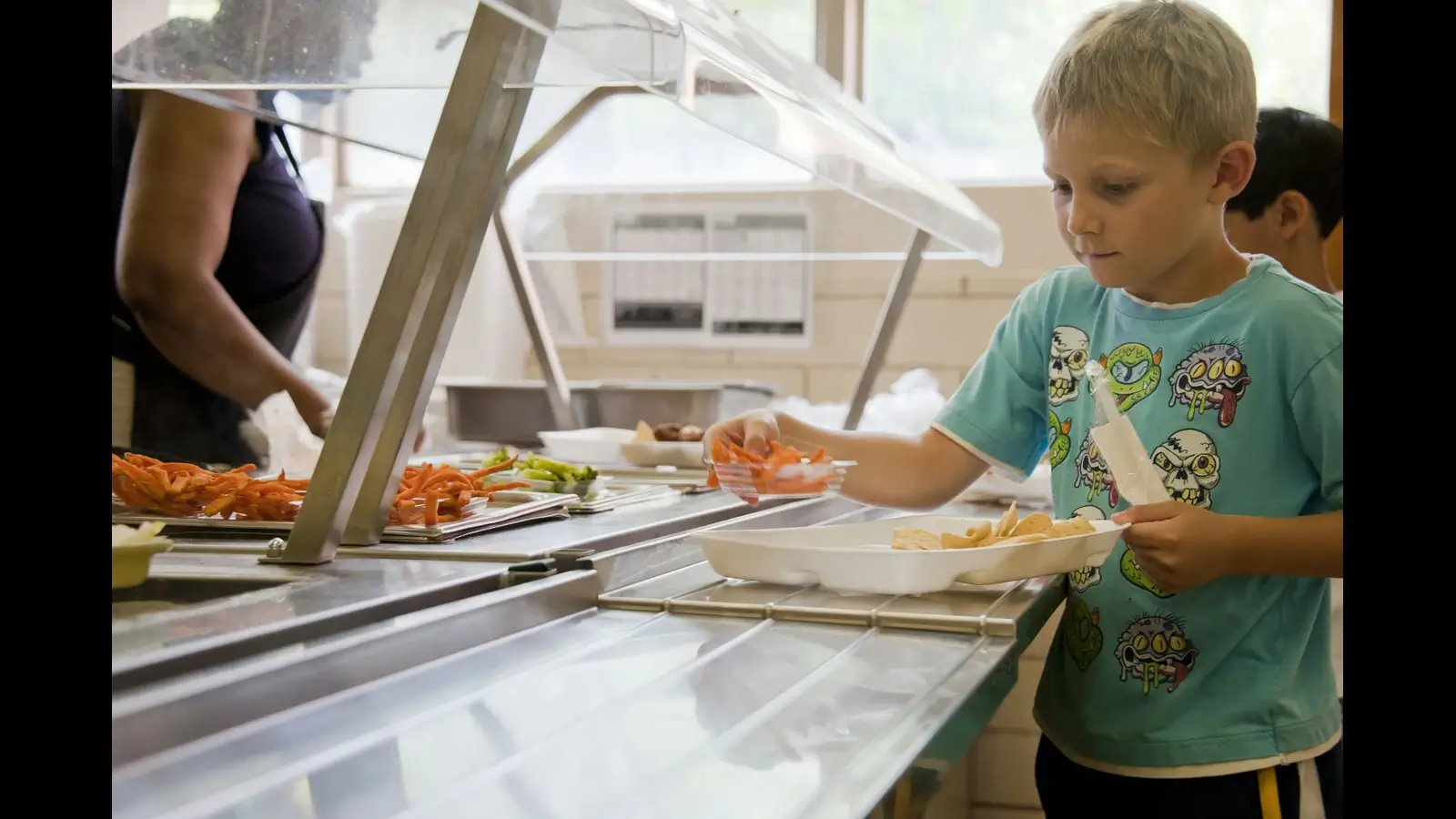
Pack a lunch or swipe the cafeteria card. It used to be a coin-flip decision. In 2026, it’s closer to a budgeting exercise as kids go back to school.
School cafeteria prices are climbing nationwide this year, and the increase isn’t subtle. Americans are paying roughly 11% more for a typical school lunch compared to last year, according to research from The Century Foundation and Groundwork Collaborative. Families are on track to spend around $4,000 per student this school year on supplies and lunches combined, with roughly $3,800 of that going toward packed lunches alone. That’s not pocket change, and it’s showing up in real district decisions across the country.
If you’re staring at a cafeteria menu wondering why the price jumped again, here’s what’s actually going on, plus a realistic way to plan for it.
Why School Cafeteria Prices Are Going Up in 2026
It’s not one thing. It’s several things stacking on top of each other.
Food and Supply Costs Haven’t Cooled Off
Districts are pointing to higher food costs and declining federal reimbursements as the driving forces behind new price increases this fall. In Manatee County, Florida, elementary lunch prices rose 25 cents, and secondary prices rose 15 cents. Sarasota County went further, pushing high school lunch to $4.15 immediately, with another jump to $4.40 scheduled for January, while breakfast climbed 25 cents to $2.50.
Tennessee families saw a similar squeeze. Cheatham County Schools raised meal prices by 25 cents heading into the new school year, with student breakfast now costing $3 and lunch $4, the district’s first price change since 2022. For a family with two or three kids eating school lunch daily, that quarter adds up to real money over a nine-month calendar.
Federal Reimbursements Aren’t Keeping Pace
Here’s the part most parents don’t see. Fewer families are qualifying for free or reduced-price meals, which means districts are absorbing more of their rising food service costs themselves. School meal programs are largely expected to run on their own revenue, covering expenses through federal reimbursements and cafeteria sales, and when that math doesn’t work, prices go up, or the shortfall eats into other parts of the school budget, according to the School Nutrition Association.
Half of Parents Already Feel It Coming
This isn’t a fringe concern. Half of caregivers surveyed in Deloitte’s 2026 Back-to-School Survey said they expect school lunch costs to be higher than last year. That’s a striking number for something as routine as a cafeteria tray.
What a Typical Cafeteria Lunch Actually Costs Right Now
Paid school lunches are running about $3.00 to $3.25 for elementary, middle, and high school students this year, though your district’s actual number matters more than any national average. Roughly 29.9 million students are served a school lunch on a typical day across more than 95,000 schools and institutions nationwide, so even a small per-meal bump ripples across a lot of household budgets fast.
There’s also a debt problem building underneath the price hikes. Districts surveyed in fall 2025 reported a median $6,000 in unpaid school meal debt, and that total has been rising year over year. Some of that comes from families who don’t realize they qualify for assistance. Some comes from households that qualified last year but no longer do.
Do You Qualify for Free or Reduced-Price Meals?
Income thresholds get adjusted annually, and it’s worth checking even if you didn’t qualify before.
- A family of four earning $42,900 or less annually is eligible for free meals in the 2026-27 school year.
- A family of four earning $61,050 or less qualifies for reduced-price meals.
- Children from families above 185% of the federal poverty line pay the full, locally set price.
Some schools also participate in the Community Eligibility Provision, which offers free meals to every student regardless of household income. That’s decided at the school or district level, not automatically, so check your specific school’s current notice rather than relying on last year’s list or a general state announcement.
How to Actually Budget for This

The math is simpler than it feels once you break it down. Multiply your school’s per-meal price by the number of days your child plans to buy lunch that month, then add breakfast if applicable and any online payment fee your district charges for loading funds. A $3.25 lunch across 19 school days runs about $61.75 for one kid. Add a sibling, a few breakfasts, and a processing fee, and that “small” cafeteria charge becomes a real monthly line item in your budget.
Three Ways to Keep It Manageable
Check eligibility every year, not just once. Income limits shift annually, and life circumstances change. A family that didn’t qualify two years ago might now.
Mix paid lunches with packed lunches strategically. You don’t have to go all-in on one or the other. Splitting the week can meaningfully cut monthly totals without adding daily prep stress.
Watch for account balance alerts. Meal debt often builds quietly through automatic deductions. Most district payment portals let you set low-balance notifications, which beats finding out your kid owes $40 at conference time.
The Bottom Line
Cafeteria trays aren’t getting fancier. Prices are just catching up to what food, labor, and supply costs have been doing everywhere else. Even everyday items like lunch containers and other basics have gotten more expensive alongside the meals themselves, and for families managing multiple kids, that compounds fast.
The good news: this is one back to school cost you can actually plan for with a spreadsheet and five minutes, rather than getting hit with a surprise total in October.
5. FAQ Section
Why are school lunch prices going up in 2026?
Districts cite rising food and supply costs combined with declining federal reimbursements, since fewer families currently qualify for free or reduced-price meals, shifting more of the cost burden onto paid-lunch prices and district budgets.
How much does the average school lunch cost in 2026?
Paid lunches are generally running between $3.00 and $3.25 nationally, though local district pricing varies and some districts have raised prices by 15 to 25 cents this year alone.
How do I know if my child qualifies for free or reduced-price lunch?
For the 2026-27 school year, a family of four earning $42,900 or less qualifies for free meals, and one earning $61,050 or less qualifies for reduced-price meals. Check with your district, since eligibility is reassessed annually.
What is the Community Eligibility Provision?
It’s a federal option that lets qualifying schools offer free meals to all students regardless of individual household income. Not every eligible school opts in, so check your specific school’s current policy rather than assuming.
Is packing lunch actually cheaper than buying it?
Not automatically. Packed lunch spending has also risen due to grocery inflation, so the cheaper option depends on your local cafeteria price and what you’re putting in the lunch box.
What should I do if my child’s lunch account has unpaid debt?
Contact your school’s food service office directly. Many districts have hardship policies, and checking free/reduced eligibility can sometimes retroactively help. Setting up low-balance alerts prevents the debt from building unnoticed.
Written with the help of AI, reviewed and edited by Harmony Daniels.
