
The Powerful Truth Behind the “Black Makes You Smaller” Myth — and Why Bold Fashion Psychology Is Actually a Positive Style Upgrade

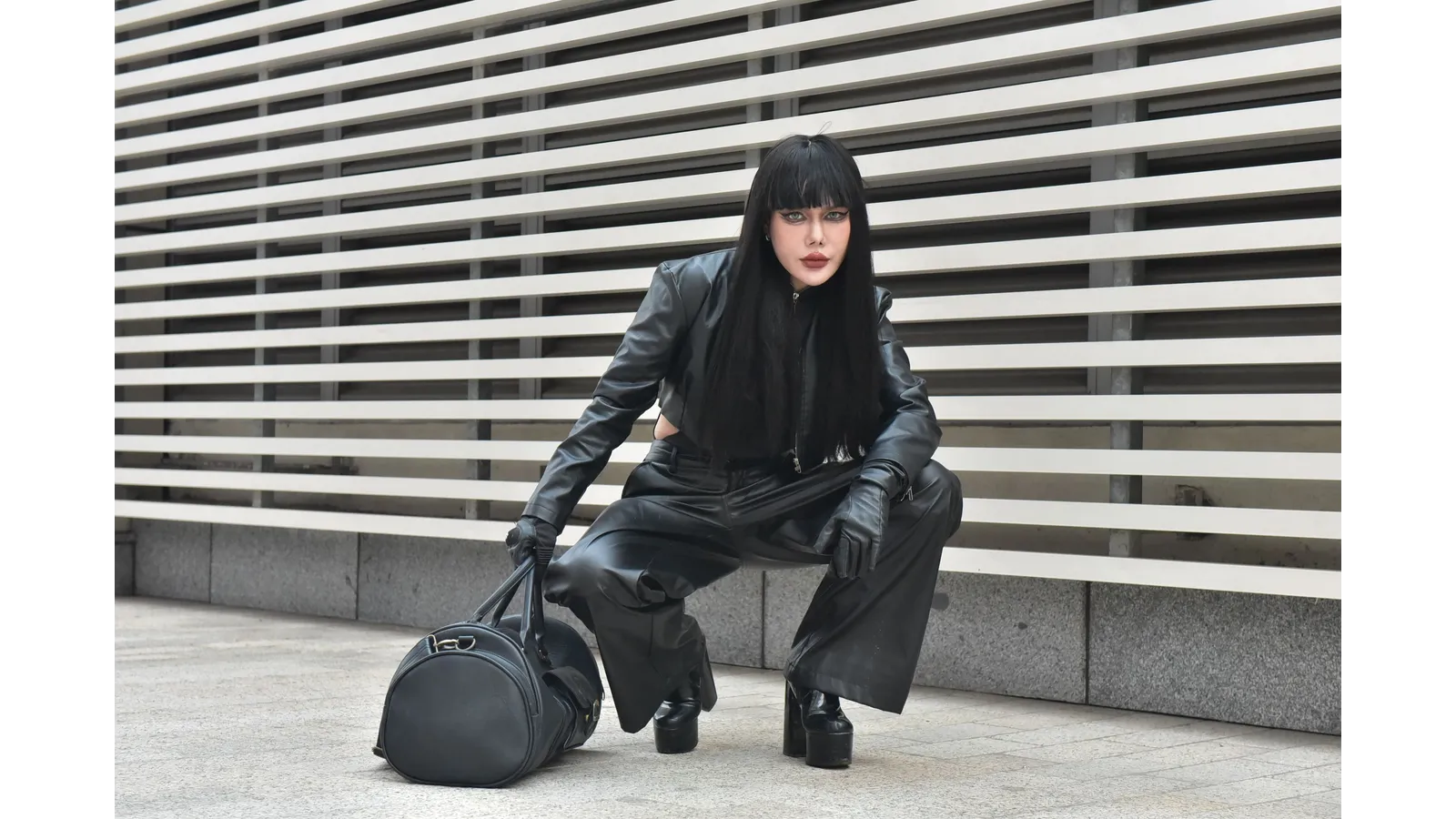
Let’s be honest, the fashion world has been whispering the same thing in our ears for decades: and fashion psychology has been quietly sitting in the corner like, “Y’all sure about that?” “Wear black, it’ll make you look smaller.” It’s practically the unofficial slogan of every stylist, every auntie at Sunday dinner, and every mall employee who’s trying to convince you that the black dress is “just more flattering.” But is it actually true? Or have we all been victims of a long-running case of fashion gaslighting?
Spoiler: fashion psychology has a lot to say, and it’s not as simple as “black = skinny.” But the truth is actually way more interesting, and way more empowering.
Why Black Feels Like the Safe Choice
Black has always been the fashion world’s comfort blanket. It’s sleek, it’s dramatic, it’s mysterious, and it doesn’t betray you when you spill a little Alfredo sauce on yourself. But the idea that black magically shrinks your body is more about perception than reality.
Fashion psychology tells us that darker colors absorb light, which reduces the appearance of shadows and contours. Translation: your eye doesn’t catch every curve, fold, or detail. It’s not that black makes you smaller, it just makes your silhouette quieter. And sometimes, quiet feels safe.
But here’s the twist: quiet isn’t always the goal.
The Myth Isn’t Entirely Wrong — But It’s Definitely Overhyped
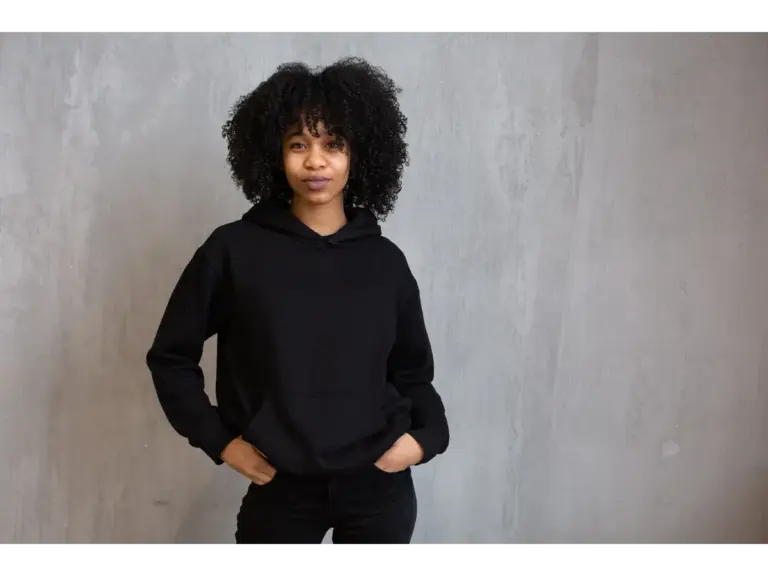
Yes, black can create a slimming effect. But so can navy, burgundy, forest green, chocolate brown, and basically any deep tone that doesn’t scream “highlighter yellow.” The real magic isn’t the color itself, it’s the contrast.
High contrast = more visual attention Low contrast = less visual attention
Black just happens to be the easiest low‑contrast option. It’s the fashion equivalent of choosing the “easy mode” setting in a video game. Effective? Sure. But not the only way to win.
The Gaslighting Part: When Black Becomes a “Rule”
Here’s where things get messy. Somewhere along the line, the fashion industry decided that black wasn’t just flattering, it was mandatory. Especially for anyone who wasn’t a size two.
Suddenly, black wasn’t a choice. It was a requirement. A uniform. A silent message that said:
“Hide yourself.” “Shrink yourself.” “Don’t be too loud.”
That’s not fashion advice, that’s emotional manipulation dressed up as style guidance. And it’s exactly why so many people feel trapped in the “all‑black everything” aesthetic even when they crave color.
Fashion psychology proves that color influences mood, confidence, and self‑expression. So when an entire industry tells you to avoid color, it’s not just about looking smaller, it’s about being smaller.
And that’s where the gaslighting comes in.
The Positive Style Upgrade: Wearing Black Because You Want To
Here’s the empowering part: black is iconic. Black is powerful. Black is dramatic in the best way. But it should be a choice, not a hiding place.
When you wear black because it makes you feel bold, confident, and a little dangerous? That’s fashion psychology working for you.
When you wear black because you think you’re “supposed to”? That’s fashion psychology working against you.
The upgrade comes from reclaiming the narrative:
- Wear black because it makes you feel like the main character.
- Wear color because it makes you feel alive.
- Wear patterns because you’re tired of being subtle.
- Wear whatever makes you feel like the version of yourself you actually enjoy.
Black doesn’t make you smaller. Confidence does.
So… Is the Myth True, False, or Fashion Gaslighting?
It’s all three.
- True because darker colors reduce visual contrast.
- False because black isn’t the only color that does it — and it doesn’t actually change your body.
- Gaslighting because the fashion world weaponized the idea to control how people dress and feel.
The real truth? Black is a tool, not a rule. And when you use it intentionally, not fearfully, it becomes a positive style upgrade instead of a fashion cage, exactly the kind of mindset fashion psychology keeps trying to get us to embrace.
