
Sony’s disappointing September 2026 State of Play Was a Two-Part Disaster

September 2026 State of Play kicked off with a whimper and a bang, a confusing mix of shark mayhem and a whole lot of nothing. Sony decided to split its big show into two parts, a main event and a Japan-focused follow-up, leaving fans scratching their heads. Was this a stroke of genius or a sign that they just didn’t have enough to fill a single, cohesive broadcast? The main event ended with a long, flashy look at Final Fantasy VII Revelation, while the Japan portion closed things out with Ghost of Yōtei: Echoes of Sekigahara, a move that felt less like a strategy and more like they were just throwing spaghetti at the wall.
The Broadcast Was a Weird Two-Part Saga
Look, splitting a show into two parts is a bold choice, especially when one is clearly meant for a specific region. The main State of Play felt like the main course, but the Japan edition was more like a tasty dessert that you had to wait an extra hour for. This approach meant that viewers had to commit to a double feature, and for a lot of people, that’s a big ask.
The main State of Play was the one everyone was watching, the one that was supposed to deliver the big surprises. The fact that they felt the need to separate the two suggests they were trying to cater to different audiences, but it also just made the whole thing feel disjointed.
The main State of Play was where the big, mainstream titles lived, while the Japanese broadcast was a niche treat for the hardcore fans. It was a logistical choice that ultimately made the entire presentation feel a bit fragmented. You can’t help but wonder if the main State of Play would have been stronger if they had just combined the best of both.
The Big Games That Did and Didn’t Show
Let’s talk about the games that actually got release dates, because they were few and far between. Final Fantasy VII Revelation finally has a date: April 8, 2027, which is practically a lifetime away. Until Dawn 2 from Firesprite is coming January 28, 2027, and Metro 2039 from 4A Games is set for February 4, 2027. The real shocker, though, was the surprise announcement of Maneater 2, a game nobody was asking for but everyone is now morbidly curious about, slated for a vague 2027 window.
Marvel’s Wolverine also made an appearance, with a new trailer that several outlets flagged as one of the show’s highlights, ahead of a Sept. 15 launch window. But for every game that showed up, there were three that were conspicuously absent, and that’s where the real story lies. The silence from major first-party studios was deafening, leaving fans feeling like they had been invited to a party where the host forgot to buy the drinks.
The Ghost of Yotei and GTA Controllers
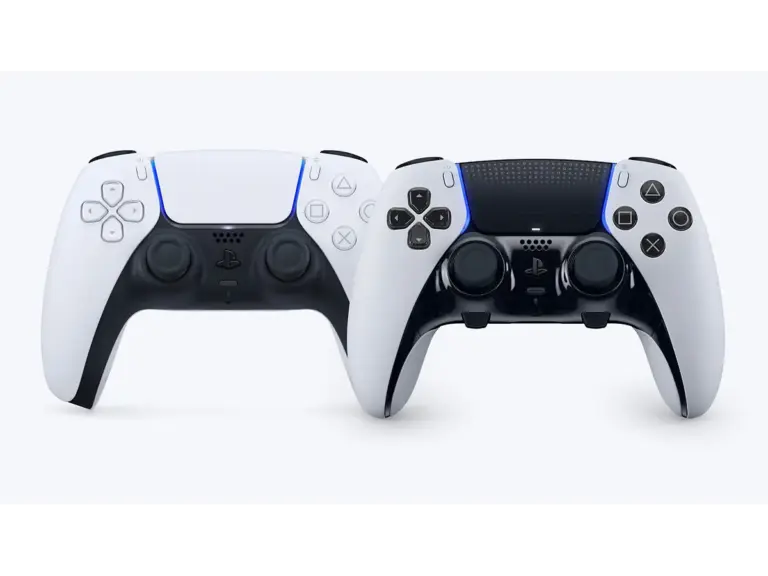
Some announcements were genuinely cool, even if they were expected. The Ghost of Yōtei Complete Edition got a big spotlight, showing off the Echoes of Sekigahara story expansion and a new Most Wanted mode, and it’s launching in just a few weeks on October 1, 2026. Then there was the hardware, specifically the two new limited-edition DualSense controllers for GTA 6, a black and a white version.
They are priced at $84.99, which is a lot for a controller, and they go on pre-order September 10 for a November 19 release. It’s a smart move to cash in on the GTA hype, but it also felt like a cheap way to fill time in a show that was supposed to be about games. The State of Play was supposed to be about software, but it kept getting interrupted by plastic peripherals.
The No-Shows Were the Real Story
But let’s be real, the most talked-about aspect of this whole State of Play was who didn’t show up. The absence of God of War Laufey from Sony Santa Monica was a massive blow, as was the complete lack of any update from Naughty Dog on Intergalactic: The Heretic Prophet. Fans were also left wondering about Media Molecule, Sony Bend, and Haven’s Fairgame, all of which were completely MIA. It felt like a huge chunk of Sony’s first-party lineup had just decided to take the day off.
The Side Shows and Remakes
It wasn’t all doom and gloom, though there was some weird stuff. The show kicked off with an extended clip from Zach Cregger’s upcoming “Resident Evil” movie, which felt like an odd way to start a video game showcase. They also officially confirmed the LEGO PlayStation set that had been leaking for weeks, which was fun but not exactly earth-shattering.
We got a deep dive on Monster Hunter Wilds: Ascendance, which looked cool, and Konami dropped two new games, Rhapsody in Scarlet and Rev. Noir. It was a grab bag of content that ranged from genuinely interesting to completely baffling, and it made you wonder what the overall theme of the show was even supposed to be.
The Final Verdict on This State of Play
Sadly, this State of Play felt like a holding pattern, a show designed to keep the lights on while the big studios work on their big projects. The State of Play was a mixed bag of release dates, DLC, and a whole lot of disappointment from fans who were hoping for a blockbuster event. It was a show that had a little bit of everything, but not enough of the one thing everyone wanted: major first-party game announcements.
The State of Play gave us a release date for Final Fantasy VII Revelation and a sequel to Maneater, but it also gave us a stark reminder that some of Sony’s biggest guns are still locked away in their armories. The State of Play might have been a success for the shareholders, but for the average gamer, it was a frustrating reminder of the long waits ahead. This State of Play will be remembered for what it lacked, not for what it had.
This article was edited with AI assistance.
Where to Check Out All Things Entertainment, Gaming, and Current Affairs
Social Media from David Gilbert
