
5 Different Ways Pocketpair’s Palworld Rocked The Creature Capture Base Building Game World

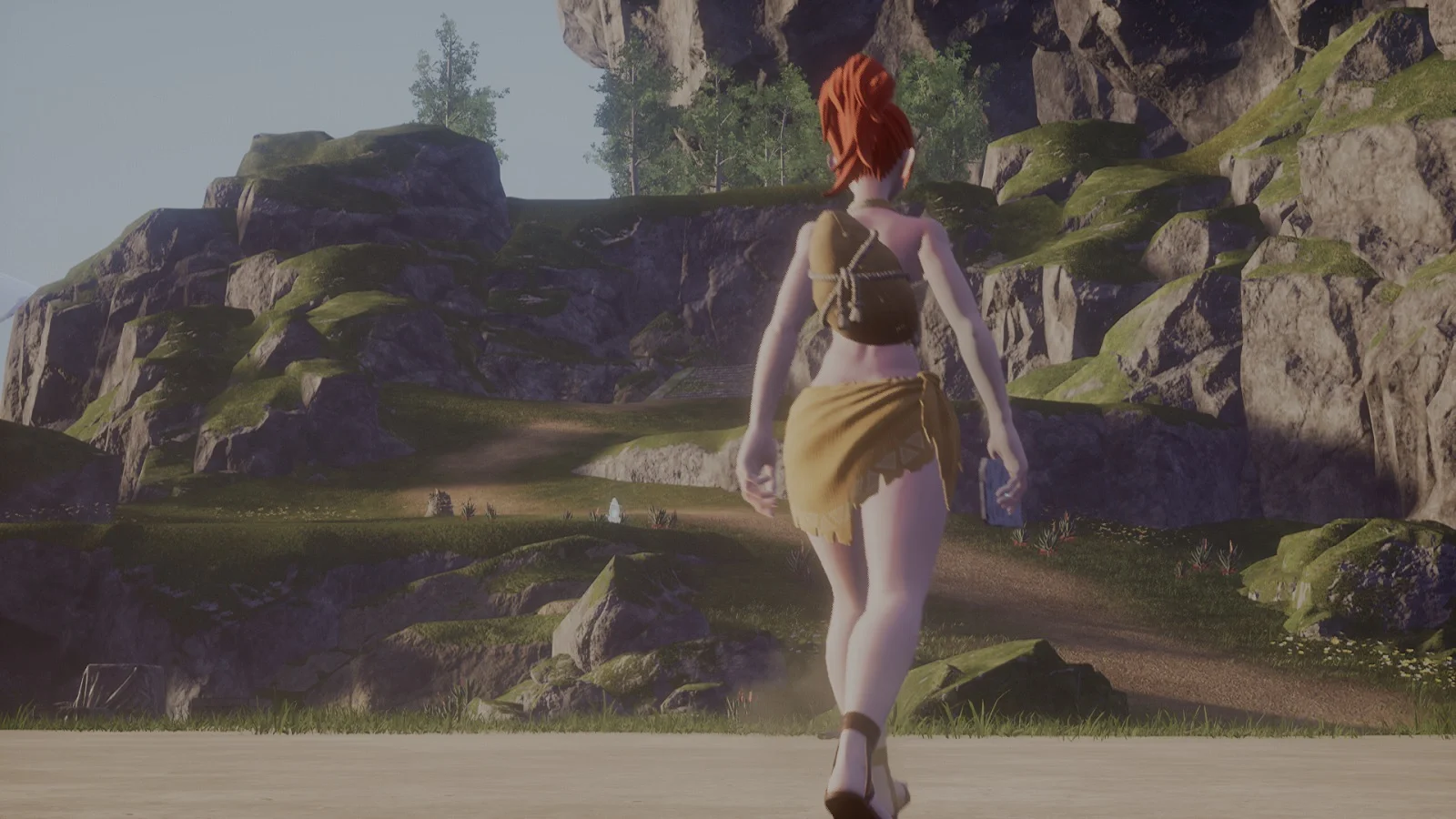
Palworld had a lot of things going for it right from the start, at first looking like a Pokémon but with Guns-style creature-capture game. It showcased going on adventures and soaring through the skies on creatures known as Pals, but also showed parts of the Palapagos Islands where they lived in harmony or fought one another. The early access release for Palworld showcased a vision that spoke to players across genres, from base building with raids attempting to flatten hard work to working with Pals to take on bosses.
The idea behind the game and the vision they showed the world amassed an all-time high of over 2.1 million users playing the game in Jan. 2024, according to SteamDB. July 19, 2026, saw a surge after the full 1.0 Palworld release dropped, showcasing that what Pocketpair lovingly crafted was a game players wanted. So what exactly is it that made people fall in love with a game that features creature collecting, survival, and base building?
Palworld: A Place To Explore

When Early access first dropped, it came with a multitude of locations to explore, including the initial Palapagos Islands, Mount Obsidian, the Astral Mountains, and the desert area, Sand Dunes. Watching the Palworld Wiki grow and expand as more content gradually got added, with Sakurajima coming in June of 2024. The world already had plenty to explore, as players had to contend with environmental hazards to proceed safely.
While Sakurajima was rather extensive, the team behind Palworld really packed a punch with the update in December 2024 when Feybreak landed, adding even more variety, Pals, and neat bits of lore that could be collected and explored. As the world, lore, and Palpedia expanded, so did the lifmunk effigies that could be found to power up capture power. Between these effigies, lore pages, teleports, chests, and dungeons scattered throughout, there was never a shortage of things to do.
What may have really pushed exploration the most was the nooks and crannies hidden throughout the world, traversable underground paths that led to treasure, boss fights, and sometimes even a mystical waterfall that concealed something new. In the world of Palworld, riddled with varied terrain and heights, there were hidden catacombs that were begging to be explored as if they had long since been forgotten to time. With 1.0, they released the World Tree, the ominous glowing tree that would keep players up at night wondering what lay beyond what the eye could see.
The best part is all these add-ons, and more that aren’t named, were all free updates.
Building A Team
With Palworld, all the Pals in the world have a use, some form of utility either for the team used to explore the world with or the team that manages the base(s) around the territories. Some of the early Pals are quite useful for food and handiwork, or basic general utility until later in the game. Take the Chikipi and Lamball as prime examples: Chikipi drops eggs and poultry to be made into food to keep the team going, and Lamball drops wool that is essential early on for the first armor.
The game allows the player to choose how they play and build the team and base they want, with over 200 different Pals to choose from. Most importantly, Palworld never makes these materials obsolete; there is always demand for wool or food, and Lamball can double as a base worker with its handiwork or the ranch, passively making wool. Condensing them by catching more, which is already encouraged through the bonus experience system for catching 5 of any Pal, these otherwise overlooked Pals can become powerhouses.
Even the cute Pal Vixy, found near the first tower boss, has an ability that can be very useful in the early stages of gameplay. No Pal in Palworld is without its use, especially with the newly revamped partner skills in the 1.0 update. Robinquill and Robinquill Terra both had the partner skill of increased weakpoint damage; Robinquill’s revamp directly increased bow damage at full condense to +35%, and the Terra variant increases bow charge speed up to +30%.
These Pals may originally have been overlooked, but now have a whole new purpose in Palworld, with more diverse gameplay and replayability to test what style fits the player.
Dungeon Diving And Hidden Treasure
Something that was incorporated from the beginning but has only gotten expanded upon as the game grew is the procedurally generated dungeons. These were whole dungeons that could be explored to find unique items that would become exceptionally useful, such as Cavern Mushrooms, Power Lotus, Life Lotus, Stamina Lotus, Carrying Lotus, and Speed Lotus, used for making potions to upgrade stats. This becomes critical because, despite leveling to 80, characters can still be improved upon through the use of these potions.
Within these dungeons can be boss Pals that are otherwise not found in the overworld, with the potential for them to be stronger upon being captured. While a boss Pal might not be ideal for a base due to the increased size, the bonus to their stats makes them a viable party companion or for use in expeditions later down the line. The dungeons are also packed with chests that can drop useful schematics to further game progression.
Scattered throughout and amongst the dungeons are enemy camps and bases; these can be cleared out, and there will be a Pal locked in a cage that can be released, earning the player a friendship peach and rewards. The enemy bases usually have chests throughout, which can also drop schematics and high-end food that boost stats. Between enemy base raids and diving into dungeons, it is possible to get very good gear that could make or break a boss fight.
Putting The Player In Charge
Something that Palworld does well is give players the freedom to be creative with where and how they build their bases. With the introduction of 1.0, players were given even more freedom with a special item that allows base-building to occur on water. This, among the ability to merge building styles, has led to new and interesting base builds, including combining multiple structures near one another to create a mega-hub of base functionality.
That isn’t the only thing that Players can do within their bases; these are essential hubs for productivity, relaxation, whatever the player wants it to be. Within the Monitoring Station, players can set or exclude specific tasks the Pals do and assign specific Pals to a task if they have the right suitability. Controlling the flow of energy throughout the base from a Monitoring Station is easy and intuitive, allowing things to run smoothly if the player wants them to.
To make organizing even better, every storage type, from the beginning box to the food storage and refrigerators, players are in control of what gets stored where. The storage boxes can also be customized with the same painting tool used to color the foundations, adding a whole new level to customization and base organization. To make things easier on base workers, put food boxes near the workstation alongside a storage box for the item(s) they might be harvesting or crafting.
The NPC: Starting A New Quest
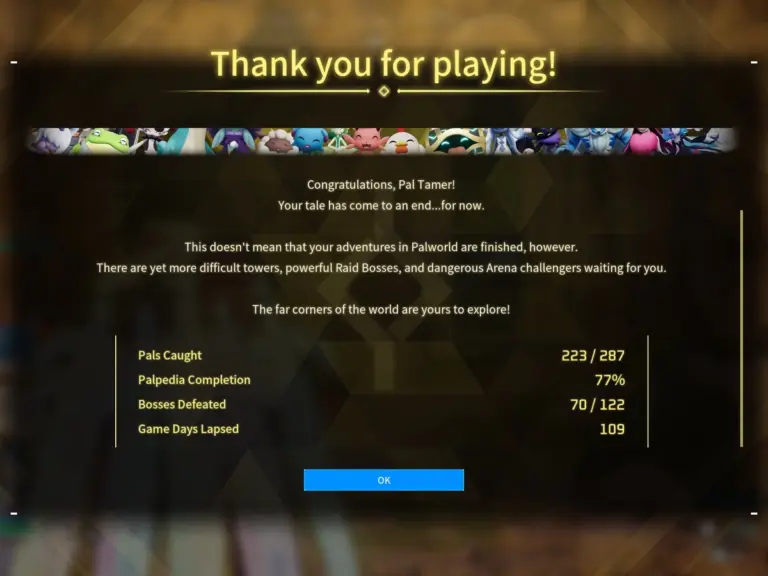
From the very beginning all the way until the end, the game is filled with quests tucked away in far-flung locations that the player might happen across throughout their gameplay. The main questline will take you to what is considered the end of the game for most standard players who see nothing else of value to be gained by playing, but there are many secrets left waiting to be found. One such quest asks the player to kill bosses, while another quest asks the player to help quell the growing Pal population.
Some of the rewards can be quite good; one of the quests even bequeaths a special Pal outfit, which has had many fans of the game joyfully wreaking havoc while dressed as a Pal. So talk to every character to see what may be in store, check the roster of Pals and find what to build next, look behind every waterfall, and leave no stone unturned.
