
‘Leaving Neverland’ Director Criticizes Michael Jackson Biopic; Made Him Feel ‘Really Icky’

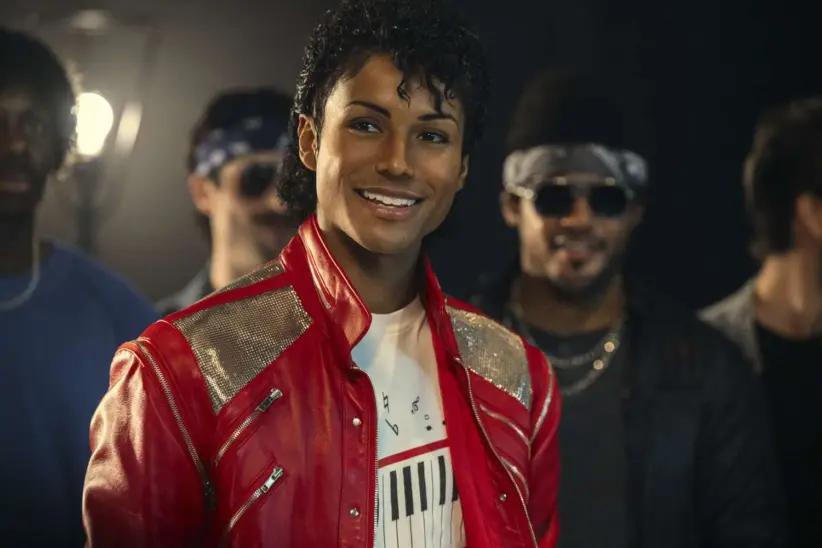
A new blockbuster is dominating the box office, but behind the impressive ticket sales lies a fierce debate about truth, memory, and accountability. The new Michael Jackson biopic, Michael, directed by Antoine Fuqua, promises an intimate look at the King of Pop. However, for Dan Reed, the Emmy-winning director of the 2019 documentary Leaving Neverland, the film represents a dangerous whitewashing of history.
Reed recently voiced heavy criticism of the film, calling it an “icky” portrayal that deliberately ignores the extensive child sexual abuse allegations against the pop star. By omitting these darker chapters, the biopic raises serious questions about how pop culture handles the legacies of powerful figures. Here is a closer look at Reed’s concerns and what they mean for the broader cultural conversation.
A Deliberate Omission of History On Michael Jackson
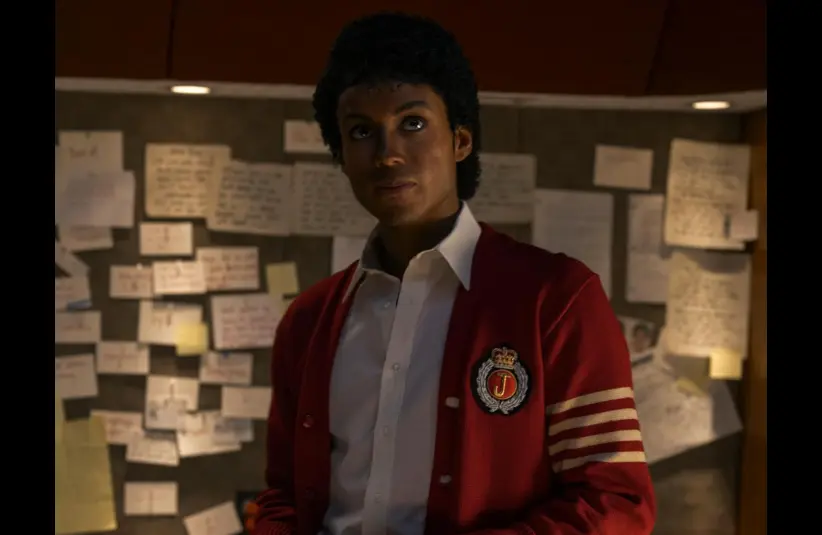
One of Reed’s primary issues with Michael is the timeline. The film conveniently wraps up in 1988. This creative choice allows the filmmakers to entirely bypass 1993, the year the first major abuse allegations against Jackson came to light.
By ending the story before the controversies begin, the movie sidesteps the allegations brought forward by Wade Robson, James Safechuck, and others. Reed argues that this omission creates a false narrative. Instead of addressing the credible accusations detailed in Leaving Neverland, the biopic paints Jackson as the ultimate victim—a harmless figure robbed of his own childhood by a demanding father.
According to Reed, the film flips the truth. It portrays Jackson as a plastic, asexual figure, erasing the reality of his documented behavior with young boys.
The Problem With the “Peter Pan” Narrative
The biopic leans heavily into Jackson’s eccentric, childlike persona to explain his affinity for children. Reed points out that this narrative is highly problematic. He highlights specific scenes in the movie where Jackson visits sick children in hospital wards, which Reed says made him feel “really icky.”
These scenes suggest that Jackson’s interest in children was entirely benign and philanthropic. Reed notes that while Jackson did engage in charity, using his public good deeds to eclipse his predatory behavior is a classic defense mechanism for powerful abusers. Claiming that a difficult upbringing justifies an adult man sleeping in the same bed as young children simply does not hold up to scrutiny.
Public Success Versus Critical Reality
Despite harsh reviews from film critics, Michael is an undeniable commercial juggernaut. The movie raked in $219 million during its opening weekend, and streams of Jackson’s music spiked by nearly 95 percent.
Reed views this massive public turnout as a symptom of a larger cultural issue. He describes Jackson as an “American myth” and a figure who operates almost like a religion for his fans. For the general public, accepting that a beloved pop icon committed heinous acts means confronting an uncomfortable reality about their own childhood memories.
The biopic gives fans exactly what they want: a way to celebrate the music and the myth without wrestling with the disturbing facts of his personal life. It reinstates the fantasy of a pure, misunderstood genius.
The Broader Implications for Survivors
When Hollywood produces a massive, multimillion-dollar tribute to an alleged abuser, the survivors suffer the most collateral damage. Reed points out the stark contrast between the people profiting from the new movie and the victims left behind. The director, the estate, and the studio stand to make fortunes, while accusers like Robson and Safechuck face renewed public backlash simply for telling their stories.
Pushing a false narrative about a powerful figure does more than just rewrite history. It actively harms the victims by silently branding them as liars. When a movie completely ignores their trauma, it sends a message that their pain matters less than preserving a cultural icon’s legacy.
As audiences continue to flock to theaters, Reed’s criticism serves as a vital reality check. Enjoying a catchy pop song is one thing, but allowing Hollywood to erase the very real suffering of survivors is another. As we consume media based on real people, we must remain willing to look past the glitz and listen to the voices that the spotlight tries to silence.
