
Hayden Panettiere’s Death Revives Old Neutrogena Controversy

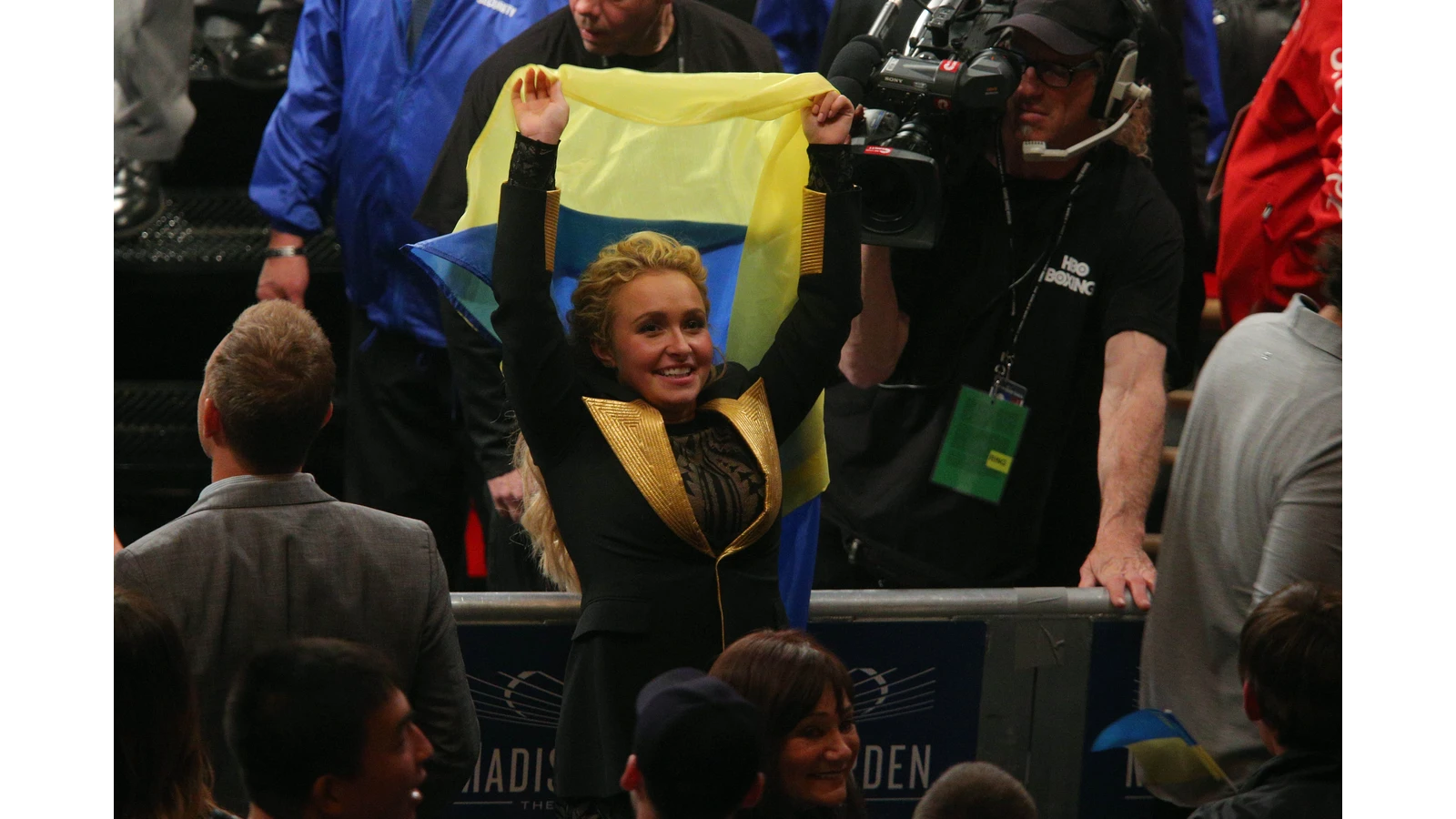
Hayden Panettiere’s decade-long tenure as the face of a major skincare brand ended not with a dramatic confrontation, but with silence. The actress, who signed with Neutrogena as a teenager in 2005, became synonymous with the brand’s clean-cut, all-American image. But according to Panettiere, a disclosure about her mental health was the reason the partnership was cut.
Memoir Alleges Brand Dropped Actress Over Health, Per Panettiere
In her 2026 memoir, “This Is Me: A Reckoning,” Panettiere detailed the aftermath of a 2015 appearance on “Live! With Kelly and Michael.” During that episode, she spoke openly about her struggle with postpartum depression after the birth of her daughter. She said that while her Neutrogena contract was not terminated on the spot, the company chose not to renew it the following year. Panettiere alleged that the non-renewal stemmed from a violation of the brand’s morals clauses. She expressed profound hurt over the decision, which she felt was a betrayal after years of loyalty.
In a chapter detailing the fallout, she wrote: “Of all the things, too, that they would fire me over, this was the last thing I thought they would fire me over. I had worked with these people for 10 years, and I remember not hearing a word from anybody. I remember that really breaking my heart.” (Panettiere also discussed this moment at length during a 2025 appearance on the podcast “Let’s Talk Off Camera with Kelly Ripa,” reiterating that she never received a direct explanation from the company.)
Death Reignites Anger Over Neutrogena Contract
The actress’s death at age 36 in August 2026 brought the old interviews and her memoir passages back into the spotlight. Social media users quickly circulated clips of her discussing the lost Neutrogena deal. The public reaction was swift and severe, with many calling for a boycott of the company. To many observers, critics argued that the brand had punished a new mother for being honest about a common medical condition.
The narrative shifted from a celebrity business deal to a symbol of corporate insensitivity toward women’s health. Neutrogena’s history as a brand that promoted healthy skin was now contrasted with what many saw as an unhealthy corporate attitude. The pressure on the company to respond became immense.
Neutrogena Releases Statement Without An Apology

Four days after Panettiere’s death, on a Thursday, Neutrogena finally issued a public statement. The company did not apologize for its actions but instead offered a carefully worded acknowledgment. Neutrogena said it was “deeply saddened by Hayden Panettiere’s passing.” The statement added that the actress was “a valued member of our Neutrogena community” for over a decade.
The brand admitted that “we made her feel unsupported during a very difficult time” and said this “is not what Neutrogena stands for or who we want to be.” To make amends, Neutrogena said it was making a significant investment to a long-standing community health partner to help women access support for postpartum depression. However, the company did not name the partner or specify the amount of the investment. Neutrogena said it delayed releasing the statement “out of respect for Hayden’s family and loved ones” and offered its condolences.
Hayden Panettiere Spoke Candidly About Her Struggle
In her memoir and interviews, Panettiere was adamant about the reality of her condition. She wanted to correct what she saw as widespread misconceptions about the illness. “That it’s real,” she said when asked what she wanted people to understand. “That it’s not something we make up. It’s not something we want. It’s not that we’ve lost our marbles. It’s not something we want to go through, and we’re not lying when we tell you something’s wrong.” She emphasized the internal conflict of feeling joyless during what is supposed to be a happy time.
“We want to be with our brand new child and be filled with joy and feel like the luckiest person in the world and capture every moment,” she added. “For anyone to think otherwise is just misinformed.” Her words painted a picture of a woman fighting a hidden battle while maintaining a public career. The fact that this vulnerability was apparently seen as a liability by a skincare giant seemed tragically ironic to many observers.
Neutrogena Promises Better, But Critics Demand More
Neutrogena’s response, while acknowledging failure, felt hollow to many critics because it stopped short of a direct apology for the initial decision. To numerous commentators, it read less like a mea culpa and more like a corporate strategy to manage a public relations crisis.
Worth noting, however, the company has not publicly confirmed whether a morals clause was ever invoked, leaving Panettiere’s account as the sole detailed narrative. The investment in a health partner, while positive, seemed like an attempt to buy goodwill rather than a genuine reckoning with the harm done to Panettiere, in the view of several industry observers.
Neutrogena’s statement could have been more forceful in denouncing the stigma she faced, critics noted. Instead, it offered a vague promise to do better, which for many observers felt insufficient given the permanent loss of the actress who helped define its image for a generation.
Reviewed and edited by David Gilbert, with the help of AI.
Where to Check Out All Things Entertainment, Gaming, and Current Affairs
Social Media from David Gilbert
