
Goodbye To All That: The 1929 Autobiography of Robert Graves & Trench Warfare in WWI

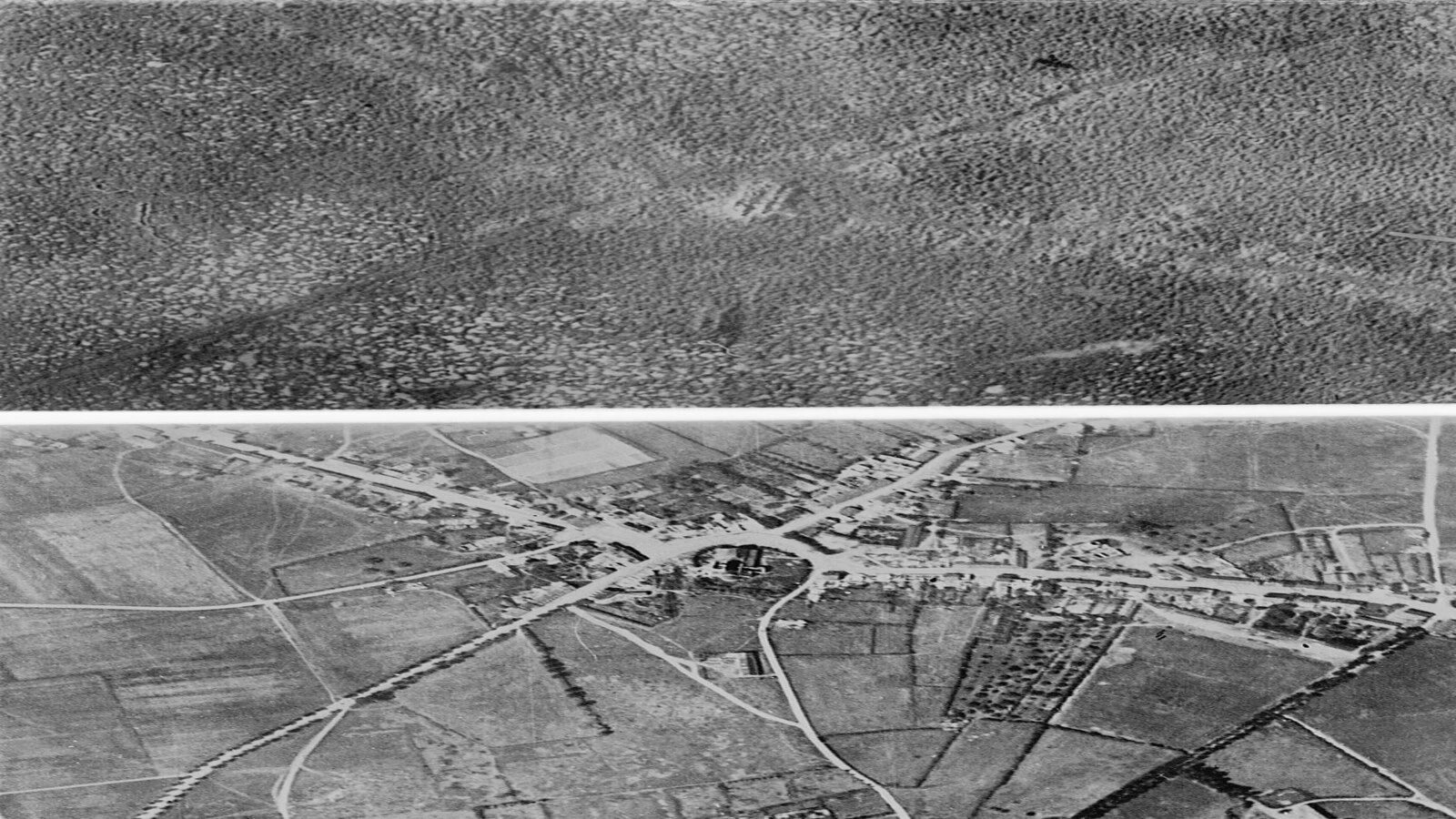
‘Goodbye to All That’ is a classic 1929 book written by Robert Graves about the horrors of trench warfare in World War I. World War I was the second most important event in human history, behind the birth and life of Jesus. We are still living with the consequences of World War I.
‘Goodbye to All That’ is a very good book, not only because the event it describes is so important, but because the author, Robert Graves, was a prolific writer. He was a British poet, historical novelist, critic, and classicist. His father was Alfred Perceval Graves, a celebrated Irish poet and figure in the Gaelic revival; they were both Celticists and students of Irish mythology. Graves produced more than 140 works in his lifetime. Have you read any of them?
‘Goodbye To All That’ Summary
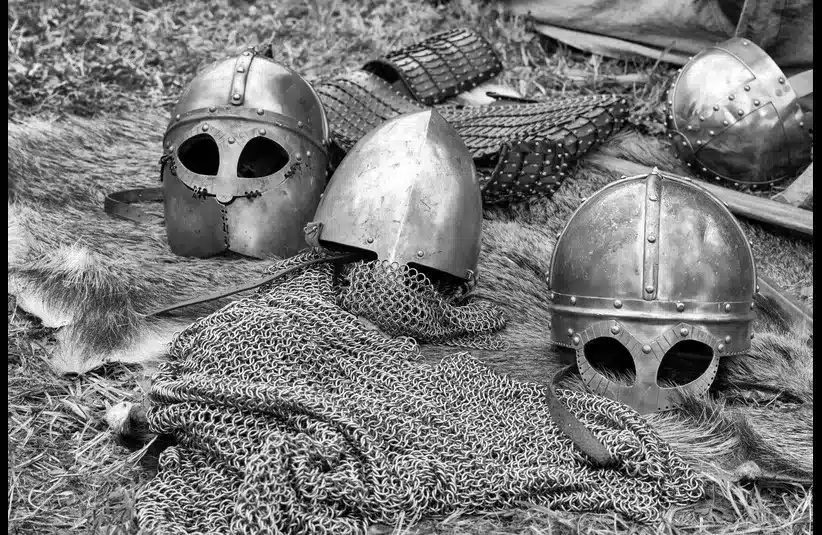
‘Goodbye To All That’ is an autobiography written linearly about the life of Robert Graves. The book is a historical treasure that was one of the first to describe what it was like to fight in the trenches of World War I.
The author, Robert Graves, came from a large family. His Father had 5 children from a previous Marriage, and he was the second of five with the new wife. He was of German descent, which he details in the book, not the least of which because it is interesting regarding World War I (He was on the British side).
Before the War, he did a significant amount of climbing (some with Cousins in Germany). He left England for Spain in 1929 and later the United States (Pennsylvania) in 1936. He returned to England infrequently thereafter and turned down a CBE in 1957.
He spends a lot of time in ‘the book’Goodbye To All of That’ (60+ pages out of 396) on his family and his pre-college years. Particularly, on his dislike for the Prep Schools he attended. He spent no time at all in ‘Goodbye to All That’ on his years at Oxford, which he attended after the War. There he befriended Col. T. E. Lawrence (yes, that Lawrence, of Arabia). He wrote poetry before the War, and was a published poet after it. He befriended Poet Siegfried Sassoon during the War.
Graves fought in the Battle of Loos. It was the first time the British used gas. The battle was a British attempt to break the German lines, but it did not work. Around 60,000 British died, many at the hands of German machine gunners.
Graves launched one of the first criticisms of the Generals and Politicians. In the book, he had a drunk colonel say that in the Mess on the night before the battle at Loos, but He really meant it as a criticism of the British Generals, in particular, and in this case, General Haig and the Secretary of War Kitchener. Graves particularly despised Politicians.
One of the reasons for the enduring popularity of ‘Goodbye To All That’ is that there is a vivid description of what it was like in the trenches of the Western Front. The book has never been out of print. One example of this description is Graves’ retelling of what the typical British soldier carried with him into the trenches.
For instance, there is a memorable sequence in the book having to do with Lice. Not long after Graves got to the trenches, they were infested by lice. Graves tells the story of two soldiers in the trenches talking about whether it is better to kill young or old Lice. The young ones die of grief when the old ones are killed, and the old ones go to the young ones’ funerals, making them easier to kill. At any rate, the main method for killing them is running a nail along the crease in your trousers.
There is also a lot in ‘Goodbye to All That’ about corpses and Rats on the Western Front. The Corpses are usually in some sort of decay, they smell, and are being eaten by Rats. The Rats make another appearance at night. They usually come to Graves when he is sleeping.
There are many sequences in the book where Graves ventures into no man’s land, usually at night, usually to fix barbed wire. These sequences are particularly memorable because Graves goes to great lengths to describe them. ‘Going over the top” was slang for leaving the trench for battle. Graves fought in two big battles while he was in the military, Loos and the Somme. Both huge British losses.
Why Should You Read This Book?
You should read ‘Goodbye to All That’ because it provides a vivid description of one of the most fantastic events, trench warfare, in human history. The book is a classic that is well-written by a giant of British literature.
Conclusion
‘Goodbye to All That’ is a literary classic. The military owes the most to the First World War, mainly to inventions of the Western Front, which were developed to defeat the trenches: The tank, airplane, and poison gas, which were all used on the Western Front. It is truly the case that the world was born into the modern age because of the Western Front.
The lines on our maps were basically drawn after World War One, and the right of National Self Determination that was part of the Versailles Treaty that ended the war. This is particularly true of the Middle East and Africa, where we faced the scourge of terrorism and are still fighting wars today. Plus, World War I very probably caused World War Two.
