
Fighting the Ideological War: Winning Strategies from Communism to Islamism

Fighting the Ideological War: Winning Strategies from Communism to Islamism is a 2012 edited volume by Katherine Gorka and Patrick Sookhdeo. The volume contains chapters from Sookhedeo, Stephen Ulph, John H. Moore, John Lenczowski, Robert Reilly, Thomas Joscelyn, and Sebastian Gorka.
The main argument of these chapters is that there is a common thread between Communism of yesteryear and the more contemporary Islamic Fundamentalism. Namely, both are totalitarian ideologies that can be combined with freedom and openness. Do you believe there are parallels between Communism and Islamic Fundamentalism?
Fighting the Ideological War: Winning Strategies from Communism to Islamism Summary
The book, ‘Fighting the Ideological War: Winning Strategies from Communism to Islamism,’ contains seven essays, organized around three main themes: Identifying the Enemy after the death of Bin Laden, Learning from the past, and Winning the ideological war.
This book will be of great interest to those generally interested in national security matters, comparative political theory, ideological trends, and taking the offensive in a multi-front asymmetrical war. One of the main points of the first section in the book concerns defining the nature of the enemy after Bin Laden.
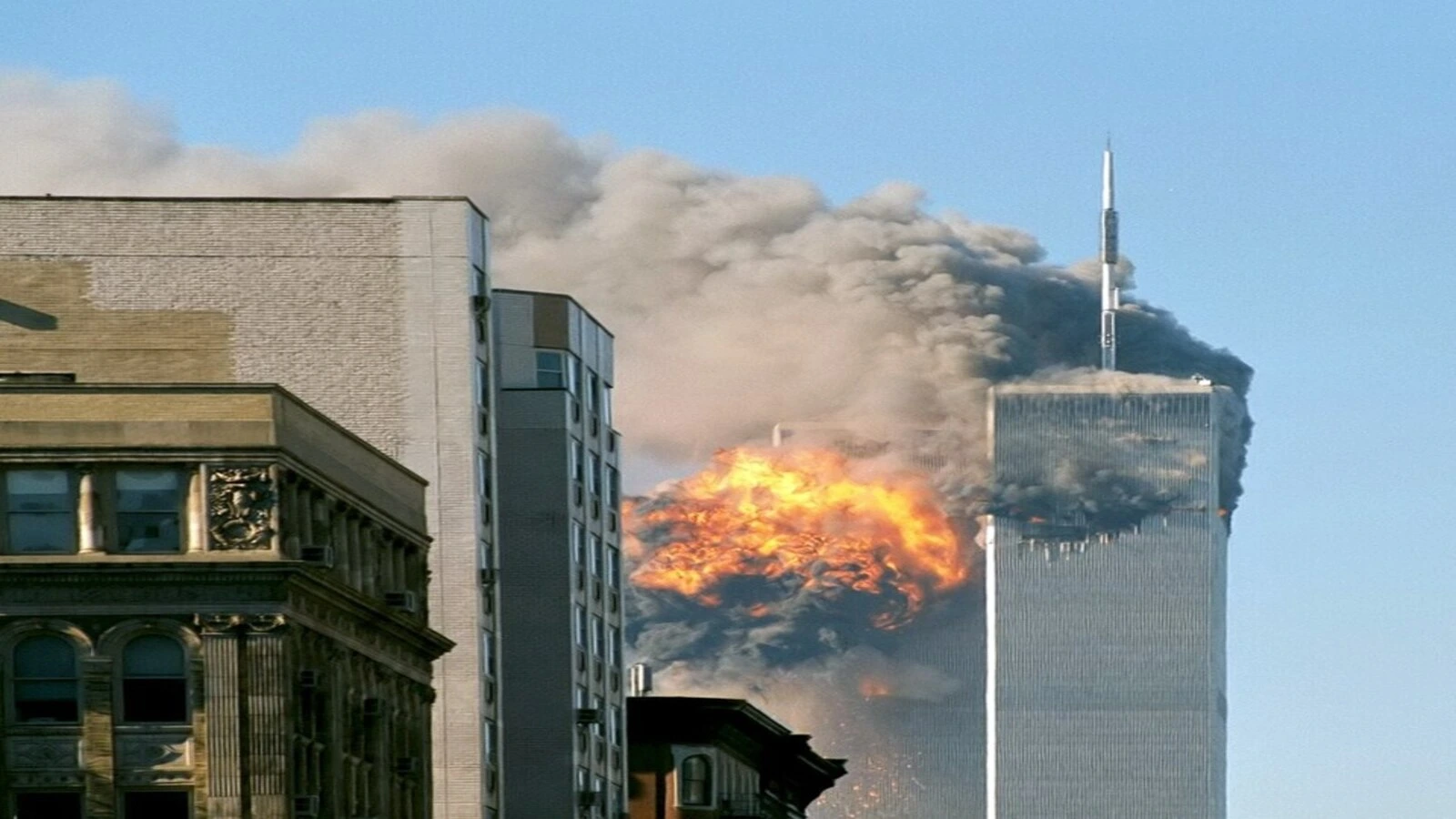
One of the major themes of the first section is how to define the enemy now that Osama Bin Laden is dead. This section makes clear that the nature of this threat is not, as the majority think, just about jihadist warriors. It may seem so since they conducted the major attack of our lifetimes.
Instead, the authors are forceful in their argument that Islamism is an identifiable ideology with a substantial religious component, and rather than being new, there are many similarities between it and previous totalitarian ideologies. This is a familiar argument, as others have made it as well.
More broadly, the authors forcefully argue that Islamism is an identifiable ideology with a substantial religious component, and rather than being the “new kid on the block,” there are many similarities between it and previous totalitarian ideologies. This commonality, the authors in ‘Fighting the Ideological War: Winning Strategies from Communism to Islamism,’ note, was understood early in the 20th century. It was recognized by intellectuals like philosopher Bertrand Russell and psychoanalyst Carl Jung.
It becomes clear in ‘Fighting the Ideological War: Winning Strategies from Communism to Islamism,’ that despite distinctions between Marxism and Islamism, they are all at their core “isms,” ideologies of domination, triumphalism, and aggressive expansionism. They also tend to marginalize their enemies and view violence as a legitimate tool of expansion.
So, the enemy must be met on the battlefield and in the war of ideas. The second Section develops the point that in a war against Islamic Extremeism, we can get inspiration from the Cold War. Additionally, the authors maintain that the Soviets were vanquished not only through military means. Instead, the victory came in several different fields, much like the victory over Islamic Extremism must.
In the last section of ‘Fighting the Ideological War: Winning Strategies from Communism to Islamism,’, Joscelyn and Sebastian Gorka bring it full circle, knitting all three themes into a well-grounded enemy threat doctrine. This is a welcome conclusion. They embellish their argument with points from Islamist’s most influential theoreticians, the Muslim Brotherhood’s Sayyid Qutb’s seminal ‘Milestones,’ and in Pakistan’s S.K. Malik’s, ‘The Quranic Concept of Power.’ The latter, the authors label as important a military thinker to Islamists as Clausewitz was to Western military thought.
Why You Should Read This Book
You should read this book if you are interested in understanding arguments about totalitarian ideologies that travel from the time of communism to the contemporary fight against Islamic Fundamentalism. Another reason to read this book is if you’re looking for strategic direction after the death of Osama Bin Laden. It might be tempting to think the so-called ‘Global War on Terrorism’ ended with the death of its primary target; however, the authors here suggest that the underlying ideology of Islamic Extremism is similar to other historic totalitarian ideologies.
Conclusion
These extremist ideologies all map together. So argue the authors in ‘Fighting the Ideological War: Winning Strategies from Communism to Islamism.’ The fact that there are many similarities between these extremist methodologies means that the tools for fighting them are well known. This is, somehow, comforting.
