
Book Review: ‘Directorate S: The CIA and America’s Secret Wars in Afghanistan and Pakistan’ by Steve Coll

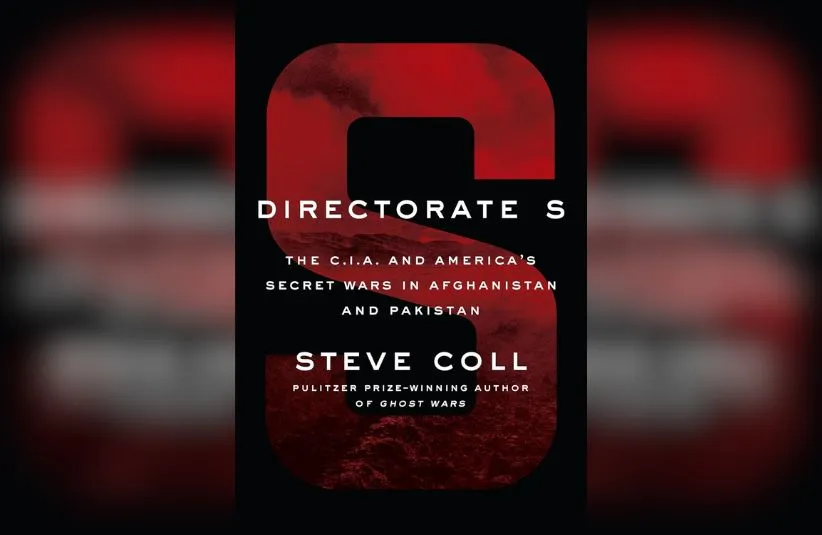
“Directorate S: The CIA and America’s Secret Wars in Afghanistan and Pakistan” is a book about the global war on terror. It turns out, the war was much more expensive than people believed at the time. Directorate S was part of the Directorate for Inter-Services Intelligence (ISI) in Pakistan and was responsible for covert action. The ISI caused a great deal of consternation among decision-makers in the United States.
“Directorate S” goes extensively into the concerns about the ISI and Directorate S. The main concern was that the ISI was harboring Osama Bin Laden, who was, of course, the main target of the United States. The book is great because of the extensive access the author, Steve Coll, has to the decision-making in the United States, Afghanistan, and Pakistan. Would you like to learn more about the key players in the Global War on Terror?
“Directorate S” Book Summary
“Directorate S” begins with a summary of the American demands of both Afghanistan and Pakistan. Of Afghanistan, the United States demanded that they deliver all Al Qaeda leaders hiding in their land. Americans also demanded that all terrorist training camps be closed. The third demand was to hand over to the Americans all terrorists in those camps. Finally, the United States wanted access to all training camps to ensure they are not operating.
Of Pakistan, there were more demands. First, stop Al Qaeda at the border, intercept arms shipments, and end support to Bin Laden. Second, give US planes overflight and landing rights. The US should have access to Pakistani naval bases ‘as needed.’ Third, Pakistan should provide intelligence and immigration records on any terrorist suspects. Fourth, the Pakistanis needed to publicly condemn the 9/11 attacks. Fifth, specifically, the ISI should cut off all fuel shipments to the Taliban and block all Pakistani ‘volunteers’ from fighting in Afghanistan. Finally, should evidence point to Al Qaeda, and should the Taliban continue to harbor Bin Laden, Pakistan should break diplomatic relations with the Taliban.
Ahmed Shah Massoud
Ahmed Shah Massoud is easy to forget, but it is one of the great counterfactuals of the late twentieth century: what would have happened if he had lived? He started as part of the Mujahedin fighting against the Soviets. He was the commander of the Northern Alliance, which in September 2001 was fighting against the Taliban and Al-Qaeda. He was also on the CIA payroll. He was effective, and probably the Americans’ best hope. He was assassinated on September 9, 2001.
Coll’s Unbelievable Access

One of the best things about “Directorate S” is the access that Coll has. A benefit of reading this book is that readers learn a lot about the key players of the time. Coll has great access to the American side, including a description of the little-known Conflict Resolution Cell of the National Security Council (which was comprised of Douglas Lute, Richard Holbrooke, Michele Flournoy, Chris Wood, and Flournoy’s Deputy, David Sedney).
Coll has equally strong access to the governments of Afghanistan and Pakistan. There is a long discussion of the Pakistani ISI, and the author seems to know what they were thinking. Which is amazing, the US leadership did not know what they were thinking. Their entire organizational structure is presented, including the names of all the directorates, like Directorate S, the namesake of this book.
Why You Should Read This Book
“Directorate S” is a highly entertaining and interesting read. However, the best benefit from reading the book, and why you should read it, is to learn about the key political players of the time. Readers of the book will marvel at the author’s access and learn a tremendous amount about the period.
