
“Big Red”: The Book That Shows What Life Is Really Like Aboard a Trident Nuclear Submarine

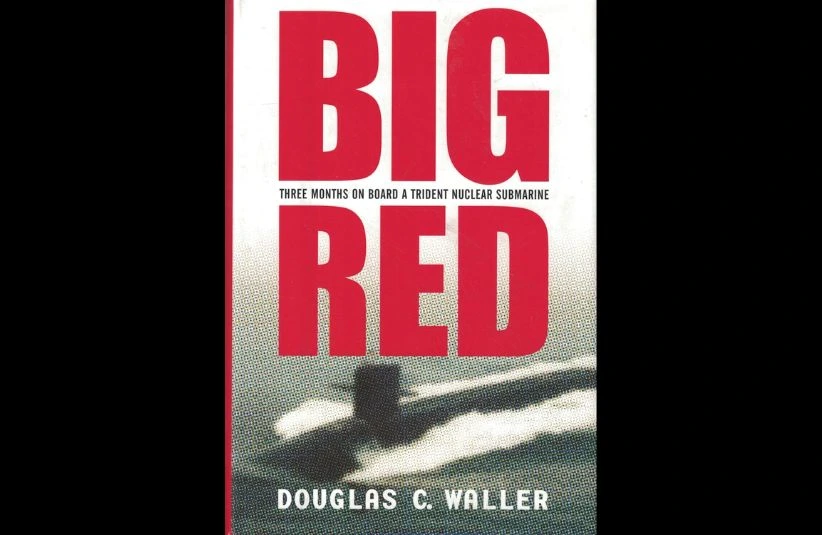
“Big Red: Three Months On Board a Trident Nuclear Submarine” is by Time reporter Douglas C. Waller. The book gives readers great insight into being aboard a nuclear submarine. Waller has a folksy way of reporting that means looking into one of the most powerful war machines ever created. The USS Nebraska is a nuclear submarine with a full complement of thermonuclear missiles.
Big Red, as the submarine is called, is named after the state of Nebraska. One of the most enduring things we learn is that there is a host of University of Nebraska football memorabilia aboard the ship. The book is comprised exclusively of interviews and stories of the crew members. Do you think this personal writing style enhances readability?
“Big Red: Three Months On Board a Trident Nuclear Submarine” Summary
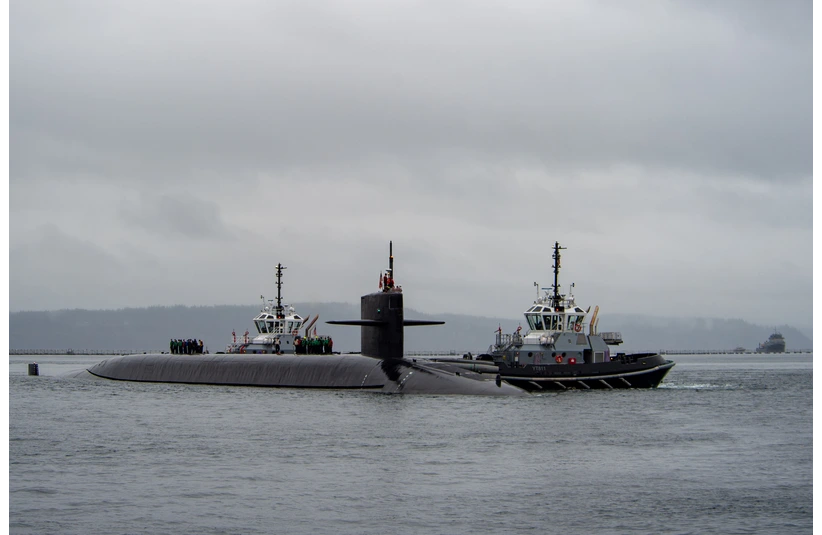
Waller reports the book chronologically. It starts out with the USS Nebraska moored, getting ready to get underway. We are introduced to some of the senior leadership on the boat, including the ship’s captain, Commander Dave Volvano.
We see the frustrations with getting the ship clean and ready to deploy. This type of detailed reporting is par for the course in this book. We also see the captain’s anxiety in a funny story about the ship leaving port, as it almost hits a buoy. These introductory sections show one of the best aspects of the book, namely that Waller captures the people who operate this ship. We hear many personal stories about them.
After the ship submerges, Waller, aboard, interviews the crew. The book is filled with the ship undergoing drills. There are simulated fires, flooding, and a deranged man in the missile spaces. We get the idea that drilling is needed for the ship to be ready to fight.
In a detailed section, Big Red is put through the complicated and serious business of processing Emergency Action Messages (EAMs) and performing the myriad steps required to launch a TRIDENT missile. This is serious because, as the crew is aware, such a launch will probably end the world. Although the launch exercise is clearly a drill, Waller’s careful observation of the crew’s professionalism impacts readers.
Throughout the book, the stories of the people on board are woven into the story. For example, Waller remarks on the rivalry between nuclear-trained and non-nuclear enlisted men. We also hear the story of Valvano meeting Admiral Rickover.
There are several other examples in Big Red. They demonstrate the refreshing honesty with which Waller captures the essence of modern submarining. In describing the operational differences between attack submarines and their ballistic-missile counterparts, he notes the friendly disdain with which attack boat sailors refer to their patrolling brothers. Throughout, he firmly establishes the importance of nuclear submarines in the Post-Cold War era.
Why You Should Read This Book
Those who want to learn first-hand about what it is like to be aboard the close quarters of a nuclear submarine should read this book. Also, those who are interested in the United States Navy and those fascinated by the nuclear triad would find this book interesting.
Parting Shots
“Big Red” is an excellent book, and the reader will feel attached to the crew when finished. The book is recommended to the attention of anyone interested in submarines. There are many movies that present an accurate portrayal of submarine sailors, and it is like that in this book. Waller does this by giving the people on board equal emphasis with the technical marvels that form their backdrop. This book is both rich and readable.
