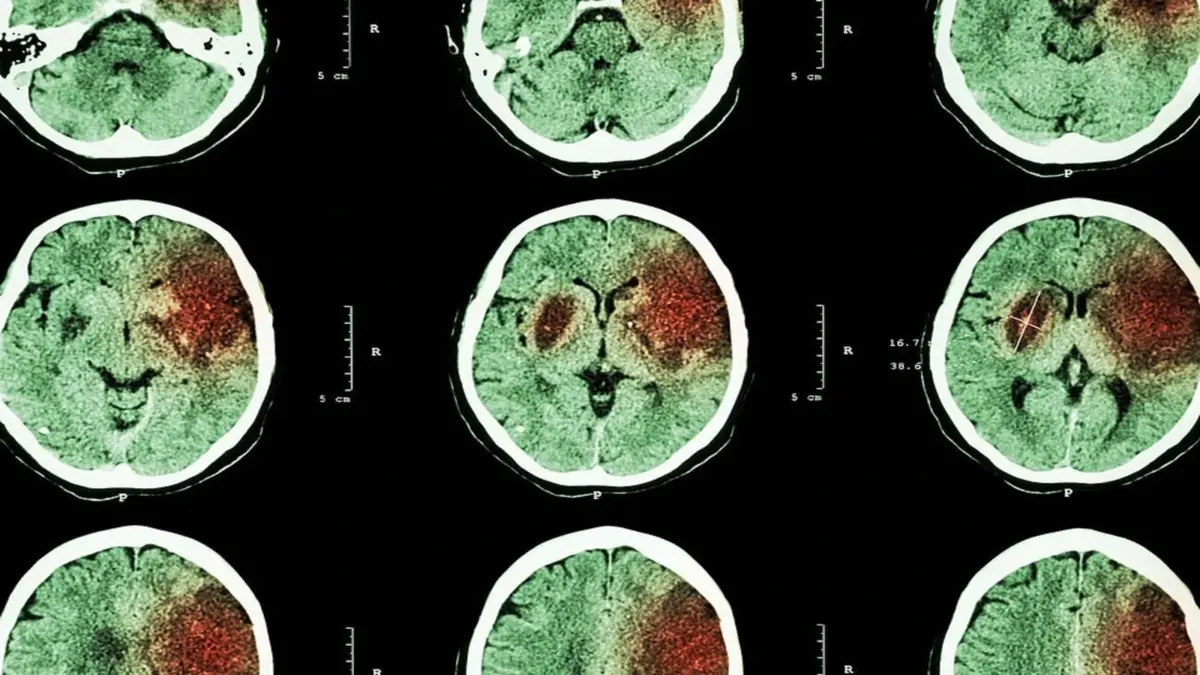
World Stroke Day 2026 is today. It is important to raise awareness of this health issue. Strokes cause death for about half of the 795,000 Americans who have them each year. They happen suddenly and can happen to otherwise young, healthy people. That is why it is so important to know the warning signs.
In about a quarter of all strokes, the cause is never known. That can be extremely frustrating, especially when the patient has none of the risk factors. Speaking of risk factors, it is important to know them and what to do if you think you are having a stroke. Those are both listed here. What are they?
World Stroke Day 2026: Stroke Risk Factors

The list of stroke risk factors reads like a who’s who for several diseases. However, it is important to realize you can suffer a stroke even if you do not have any of these risk factors. Here is a list.
- High blood pressure (hypertension): The leading cause of stroke. Getting medication can help. Regular monitoring and treatment can also help out and reduce risk. Monitoring blood pressure would be another resolution to keep on World Stroke Day.
- Diabetes: A Disease in and of itself, Diabetes can damage blood vessels and often coexists with high blood pressure, which compounds risk.
- High cholesterol: Can lead to plaque buildup and artery narrowing. This raises blood pressure and can be a significant cause of strokes. It is important to have a doctor monitor your blood. Monitoring cholesterol would be another resolution to keep on World Stroke Day.
- Atrial fibrillation (AFib): Causes blood pooling and clot formation in the heart. It raises the stroke risk fivefold.
- Heart disease: This increases clotting, which can lead to strokes.
- Previous stroke or TIA: If you have had one, you could have more.
- Blood disorders: High red blood cell count or sickle cell disease increases clotting risk. This increases the risk for African Americans.
- Lifestyle factors are also important. Those include smoking, obesity, inactivity, unhealthy diet, alcohol and drugs, age, family history, ethnicity, and pregnancy. These are all factors that can be changed. It would be good, on World Stroke Day, to resolve to change these things.
World Stroke Day 2026: What to do. BE FAST

Although those risk factors point toward an increased risk for unhealthy people. It is important to point out that young and healthy people can have strokes. They can also happen at any time, even in the middle of the night. What should somebody do if they think they might be having a stroke? Thankfully, professionals have come up with a catchy slogan, BE FAST, to tell people what to look for and what to do.
- B – Balance loss. Strokes often cause people to wobble and lose their balance. This would be the first thing to check.
- E – Eye (vision) changes. Another thing that may be affected right away is vision. If that is diminished, you will know, and you may be having a stroke.
- F – Face drooping. One would likely need a mirror or another person to check this warning sign.
- A – Arm weakness. This could also manifest as leg weakness. Because strokes affect one side of the brain, weakness will occur on the other side of the body.
- S – Speech difficulty. This is also a common sign of stroke. If you are having difficulty verbally communicating, you could be having a stroke.
- T – Time to call 911. This is very important. You need professional help, right away. The clock is ticking.
Conclusion: Back to School
Nobody told me what to expect after my stroke, so the book, “Back to School,” writes it all down for you. The book starts right at the beginning, telling the reader what to expect while still in the hospital. Unfortunately, those who suffer strokes are likely to live with the results for the rest og their lives, and the book, which is very appropriate on World Stroke Day, helps the reader map out their recovery for years.
 Don't stop here
Every Score. Every Story. One Home.
Breaking sports, entertainment and news from across the Total Apex network, updated all day.
Get the Full Story →