
Lord’s Resistance Army: 2,000 survivors find hope in faith
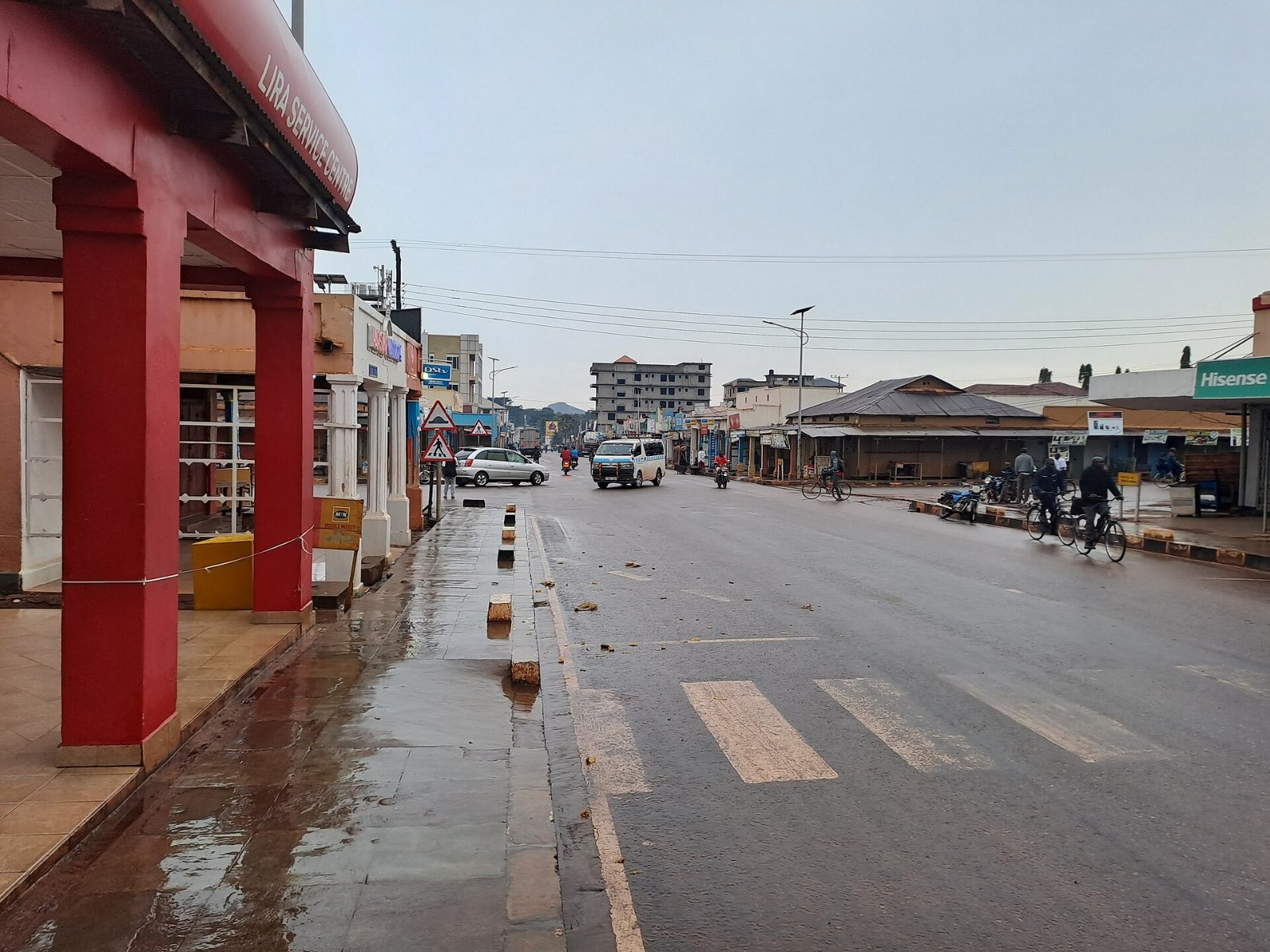
More than 2,000 former Lord’s Resistance Army captives, combatants and family members packed into Lira City on Sept. 12 for a prayer service aimed at healing wounds that have lingered for decades in northern Uganda, Religion News Service reported. The gathering brought survivors together with faith leaders working to reconnect broken families and communities.
LRA returnees, a term for people who escaped or were released from the rebel group, planned the service together with the Anglican Diocese of Lango. The Rev. Canon James Okaka, provost of Boroboro Cathedral, chaired the organizing committee.
How the Lord’s Resistance Army shaped a generation
Joseph Kony, who is now 65, founded the Lord’s Resistance Army in northern Uganda in the late 1980s. The group initially fed on grievances among the Acholi people toward the Ugandan government, but over time its violence turned squarely on civilians.
The toll has been staggering. The fighting left tens of thousands of civilians dead and drove close to 2 million from their homes. An estimated 25,000 Ugandan children were abducted, many of them forced into combat or sexual slavery.
The International Criminal Court opened an investigation into the situation in Uganda in 2004 and issued arrest warrants for Kony and four of his commanders the following year. Kony remains at large and is the court’s longest-standing fugitive.
Victims twice over
Among those at the Sept. 12 service was a man, now 40, who was abducted at age 17. Lord’s Resistance Army fighters killed his parents and took his sister captive along with him. He fled Kony’s camp in the Central African Republic in 2023 and made it back to northern Uganda around June, more than two decades after he was first taken. He asked not to be named because he fears retaliation in his community.
Speaking about former combatants who, like him, were abducted as children and forced to fight, he said simply: “We are also victims.”
That dual identity, both victim and, in the eyes of some community members, perpetrator, remains one of the most difficult parts of reintegration. Agnes Akuku, 37, was 13 when LRA gunmen killed her parents and abducted her in 2002. She spent 14 years in the group’s hands before she got away in 2016.
Despite having no choice in her abduction, she said some in her community labeled her a murderer when she came home. “They called me a murderer, not knowing that I had also been abducted and forced into captivity,” Akuku told RNS.
Morris Okello, chairperson of the returnees’ association, said the service gave former captives a chance to “thank God for surviving and returning home.”
Faith and tradition as tools for reconciliation
Faith leaders in northern Uganda, including Pastor Joseph Okot, who leads a small Pentecostal church in Gulu, and Archbishop Emeritus John Baptist Odama, the former Catholic archbishop of Gulu, have leaned on prayer, counseling and Scripture to encourage forgiveness between returnees and the communities they left behind. Okaka stressed that both Christians and Muslims took part in the Lira City gathering, since the war touched people of every faith.
Alongside these faith practices, many communities use a traditional Acholi cleansing ceremony called Nyono Tong Gweno, or “stepping on an egg,” to formally welcome former captives back. The ritual marks a person’s return after a long absence and opens the door to acceptance.
Questions remain about how many former Lord’s Resistance Army captives have yet to return home or find their footing in communities still processing generational trauma. For survivors like the 40-year-old who spent more than half his life away from home, events like the one in Lira City mark just the beginning of a much longer road back. Read more spirituality coverage from Total Apex.
Source: Religion News Service