Tarot.com’s 2027 moon calendar lays out the new moons, full moons and eclipses coming next year, giving anyone who likes to pair card readings or journaling with lunar phases a dated reference to work from. The calendar counts 13 new moons and 12 full moons in 2027, and several of them coincide with solar or lunar eclipses. Each date comes with journal prompts and tarot guidance, though using the moon to time a reading is a personal practice rather than a rule of tarot itself.
This guide walks through how to read the calendar, which 2027 dates carry eclipses and how to build a simple lunar-tarot habit around them, whether you’re new to three-card tarot readings or already keep a regular card practice.
Step 1: Understand what the 2027 moon calendar tracks
The calendar lists the date of every new moon and full moon in 2027, along with the zodiac sign each one falls in and any eclipse that lands on it. Tarot.com adds an astrological reading and a tarot angle to each entry, treating new moons as a time to set intentions and full moons as a time to look back at your progress.
Knowing the difference between the two is the first step. A new moon marks the start of a lunar cycle and is traditionally associated with fresh starts. A full moon falls roughly two weeks later and is associated with culmination or review.
Step 2: Mark the 2027 eclipse dates
Five 2027 lunar events double as eclipses:
- Feb. 6, 2027: New moon in Aquarius and annular solar eclipse
- Feb. 20, 2027: Full moon in Virgo and penumbral lunar eclipse
- July 18, 2027: Full moon in Capricorn and a very slight penumbral lunar eclipse
- Aug. 2, 2027: New moon in Leo and total solar eclipse
- Aug. 17, 2027: Full moon in Aquarius and penumbral lunar eclipse
The July 18 eclipse barely grazes Earth’s outer shadow, so it’s essentially invisible, and many calendars, including Tarot.com’s, treat it as an ordinary full moon. It’s still worth knowing about if you track eclipse seasons.
August is the most crowded month on the calendar. It opens with the total solar eclipse in Leo, reaches the penumbral lunar eclipse at its midpoint and then squeezes in a second new moon, this one in Virgo, on Aug. 31.
Step 3: Use the full 2027 lunar calendar
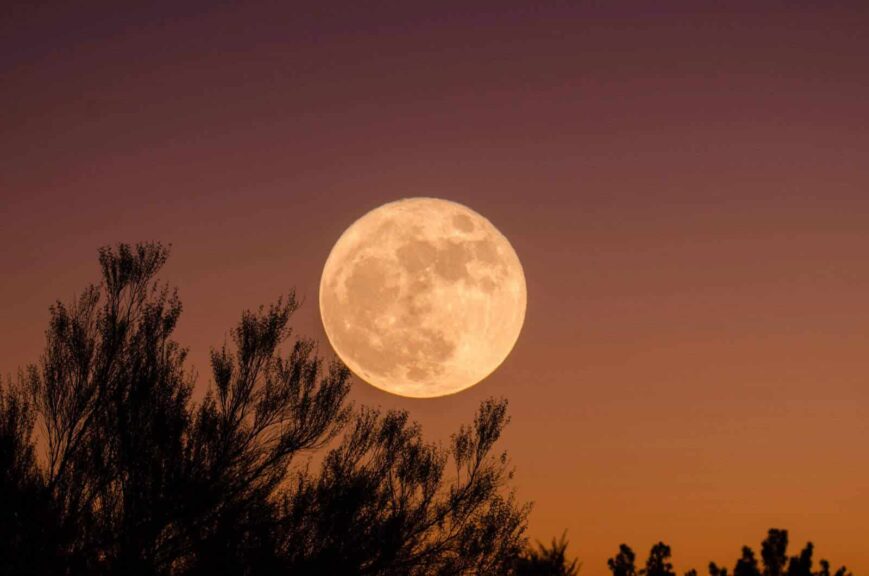
Here’s every 2027 new moon and full moon, with eclipses noted:
- Jan. 7: New moon in Capricorn
- Jan. 22: Full moon in Leo (the year’s closest full moon, often called a supermoon)
- Feb. 6: New moon in Aquarius (annular solar eclipse)
- Feb. 20: Full moon in Virgo (penumbral lunar eclipse)
- March 8: New moon in Pisces
- March 22: Full moon in Libra
- April 6: New moon in Aries
- April 20: Full moon in Scorpio
- May 6: New moon in Taurus
- May 20: Full moon in Scorpio
- June 4: New moon in Gemini
- June 18: Full moon in Sagittarius
- July 3: New moon in Cancer
- July 18: Full moon in Capricorn (slight penumbral lunar eclipse)
- Aug. 2: New moon in Leo (total solar eclipse)
- Aug. 17: Full moon in Aquarius (penumbral lunar eclipse)
- Aug. 31: New moon in Virgo
- Sept. 15: Full moon in Pisces
- Sept. 29: New moon in Libra
- Oct. 15: Full moon in Aries
- Oct. 29: New moon in Scorpio
- Nov. 13: Full moon in Taurus
- Nov. 27: New moon in Sagittarius
- Dec. 13: Full moon in Gemini
- Dec. 27: New moon in Capricorn, closing out the year
Dates use U.S. Eastern time. A few fall a day later in Europe and elsewhere; the Nov. 27 new moon, for example, is Nov. 28 in Universal Time.
Step 4: Decide how lunar timing fits your tarot practice
Tarot.com suggests setting intentions at new moons and reflecting on progress at full moons, and it recommends using the Tarot.com Journal to track those intentions and note what changes between phases. That said, timing a reading to a moon phase is optional. Tarot cards can be read any day of the week, and plenty of readers never consult a lunar calendar at all. For those who do want to build the habit, treating a new moon as a prompt for an open-ended question works well with simple frameworks like the ones covered in [LINK: guides on asking clearer tarot questions].
Step 5: Build a simple routine around the dates
A practical approach is to pick one or two lunar dates per month, rather than all 25, and attach a short ritual to each. On a new moon, pull a card or do a short spread focused on what you want to begin. On a full moon, revisit that same question and note what has shifted.
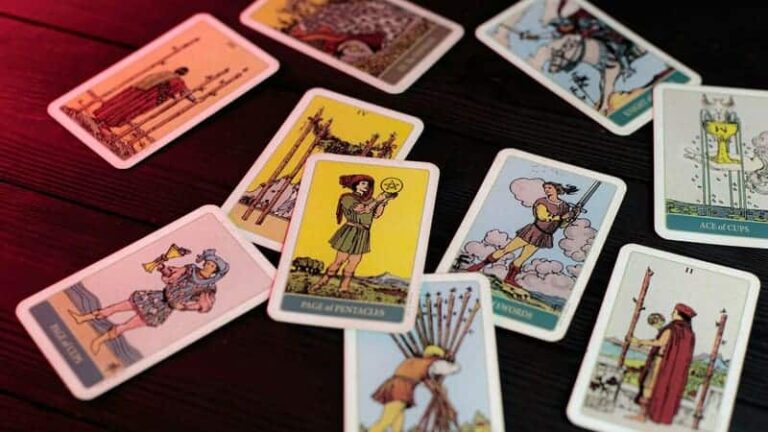
Beginners who want a repeatable structure can lean on a three-card past-present-future layout for new moon intentions, then switch to a single reflective card for the full moon follow-up. Those building a reading vocabulary might also look at individual card meanings, such as the Page of Pentacles tarot meaning, to connect specific cards to the intentions set during a given cycle.
Common mistakes to avoid
Treating the moon calendar as a requirement rather than a tool is an easy trap to fall into. Tarot.com presents the dates as a structure for reflection, not a rule that a reading only “counts” on a new or full moon.
Another mistake is trying to track every single date at once. With 25 new and full moons in 2027, picking a handful that matter to you, such as the eclipse dates in February and August, keeps the practice manageable rather than overwhelming.
What’s next
The first dates on the 2027 calendar are the Jan. 7 new moon in Capricorn, a natural fit for New Year intentions, and the Jan. 22 full moon in Leo. February follows with back-to-back eclipses: the Feb. 6 new moon and annular solar eclipse in Aquarius, then the Feb. 20 full moon and penumbral lunar eclipse in Virgo. Readers who want the journal prompts and tarot guidance for each date can find them on Tarot.com’s full calendar.
 Don't stop here
Every Score. Every Story. One Home.
Breaking sports, entertainment and news from across the Total Apex network, updated all day.
Get the Full Story →