
Yosemite Dropped Its Reservation System. Memorial Day Was a Preview of What’s Coming.

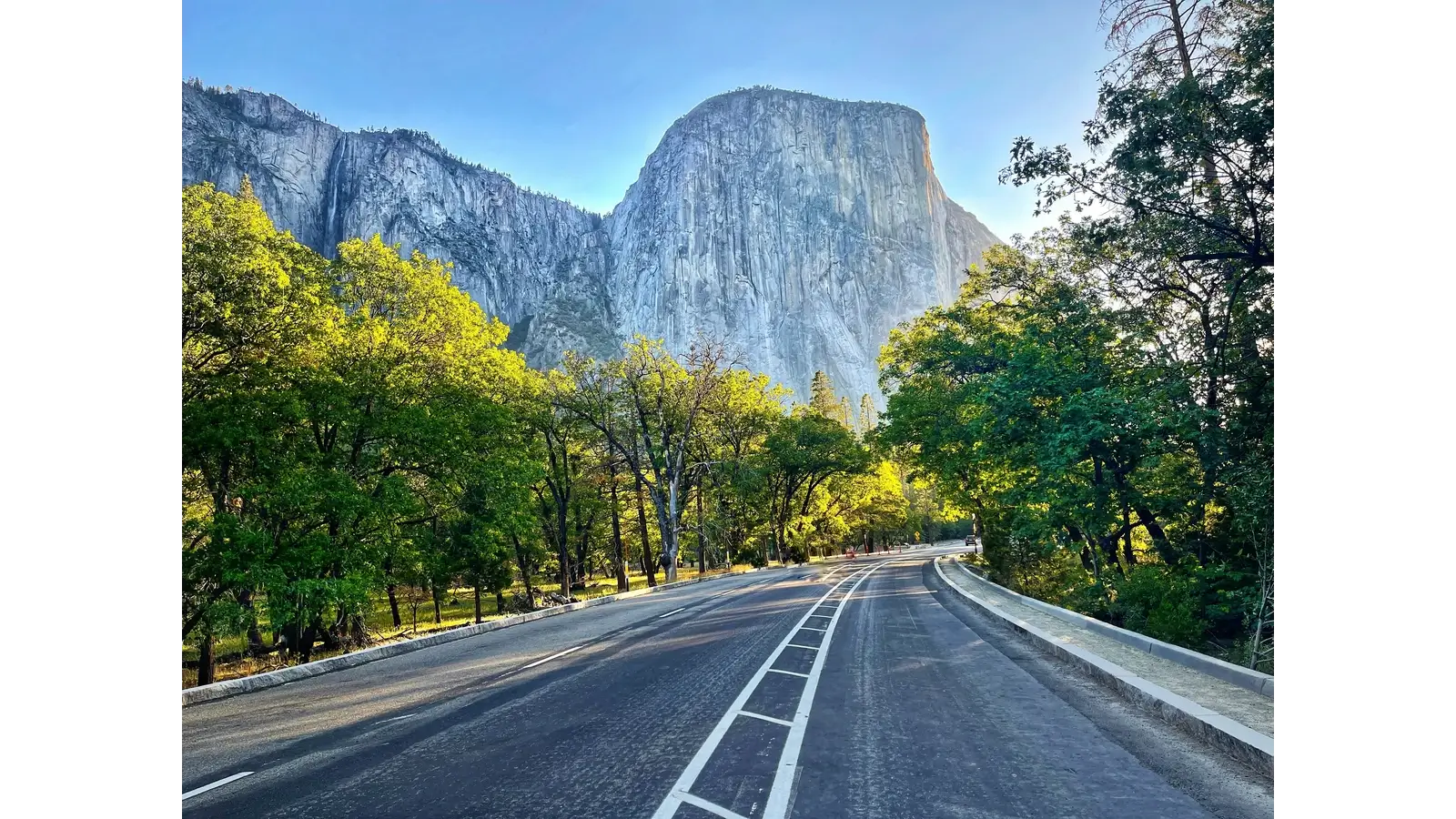
Yosemite National Park just wrapped up its first major holiday weekend without a timed-entry reservation requirement, a policy the park used since 2020 to manage the relentless crush of visitors. The result? Long lines, limited parking and crowded conditions throughout the park. Visitors described a scene that felt less like America’s crown jewel of natural landscapes and more like a stadium parking lot after a sold-out show.
If you’re planning a Yosemite trip this summer, pay attention. What happened over Memorial Day weekend is probably the mildest version of what’s ahead.
Why Yosemite Got Rid of the Reservation System
The timed-entry reservation system wasn’t wildly popular. Ask anyone who got shut out trying to snag a permit three weeks in advance, only to watch them disappear in seconds. There was real frustration about access, the idea that a public national park had become something you had to win a lottery to enter.
In early 2026, the National Park Service announced it was abandoning the reservation system, which had been in place on and off since 2020. According to ABC 7, Yosemite Superintendent Ray McPadden framed it as an evidence-based call.
“We are committed to visitor access, safety, and resource protection, and will continue active traffic management strategies to ensure a great visitor experience,” McPadden said in February. “While reservation systems are one valuable management tool, our data demonstrates that a season-wide reservation requirement is not the most effective approach for the coming season.”
It was a reasonable position to debate. The execution, though, left a lot to be desired.
What Memorial Day Weekend Actually Looked Like

Memorial Day posed the first real test of how the park would fare without reservations, and after the busy holiday weekend, many visitors complained it failed.
The problems started before people even got through the gate. Visitor Andranik Arakelyan told ABC 7 that people were waiting at least an hour and a half to get inside the park. Once in, the situation didn’t improve. “I would say by 7:30, the entire park, it was impossible to park there. There’s nowhere to park for anybody,” said visitor John Leerskov. Leerskov wasn’t understating it.
Videos circulated online showing dozens of cars illegally parked, with drivers pulling onto meadows, going off-road, and abandoning vehicles off pavement. Beth Pratt, a conservationist and author, captured it plainly: “People pulling onto meadows, pulling off pavement, going off-road. The lines to get even shuttles around the park, I mean, from the videos were just horrendous.”
None of this was a surprise to people who watch these things closely.
The Numbers Tell the Story Before Summer Even Starts
The Memorial Day meltdown didn’t happen in a vacuum. The weekend prior, from May 15 to 17, all of Yosemite Valley filled up twice. The trajectory has been clear for months.
Comparing March 2026 to March 2025, the park saw 70,000 more visitors, a 44% increase. Year-to-date through April, Yosemite logged 836,458 visitors, up 13% from 739,313 in 2025. And so far in 2026, the park has recorded nearly 100,000 more visitors than at the same point last year.
That’s before the summer rush.
Should visitor trends continue, the park could see over 600,000 visitors each month from June through August and potentially set an overall record for visitation in 2026. Fox News noted the data was stark enough that March 2026 marked Yosemite’s busiest month since 2016.
At some point, “active traffic management strategies” aren’t going to cut it.
The Debate: Who Does Yosemite Actually Belong To?
This situation has cracked open a genuinely uncomfortable question about public lands management. The reservation system was imperfect, sure. It created hoops to jump through. But it also worked at its core function: keeping the park from becoming a slow-motion disaster.
John Buckley, executive director of the Central Sierra Environmental Resource Center, argued that without any limits on vehicles and visitors, the park simply becomes overwhelmed. He pushed back on the framing that open access equals better access: “The best accessibility is when there’s managed park conditions so that the number of vehicles is balanced with the amount of parking and the capacity of the roads.”
Buckley also raised the environmental angle — that the decision may benefit tourism revenue in the short term but quietly harm the ecological health of the park over time.
And even visitors who previously resented the reservation system are coming around. Arakelyan, who used to get frustrated by having to plan weeks in advance, admitted after this weekend that there simply isn’t enough infrastructure and staffing to handle this volume of traffic without some kind of control system in place.
Pratt’s line cut the deepest: “These are the best protected places on the planet, and we cannot be managing them like an amusement park.”
What Visitors Should Do Right Now
If you still want to go to Yosemite this summer — and look, the place is genuinely breathtaking, none of this chaos changes that — here’s how to not completely ruin your trip.
- Go early. Like, embarrassingly early. By 7:30 a.m. on a holiday weekend, parking in Yosemite Valley was essentially gone. Aim to arrive before 6 a.m. if you’re going during peak season. This isn’t optional advice.
- Avoid weekends and holidays entirely if possible. Midweek visits in late June or September will give you a completely different experience. The waterfalls are still stunning. The granite is still there. The crowds are not.
- Use the shuttles. Seriously. Park at the Valley Visitor Center or at one of the outlying lots like Yosemite Valley Lodge and ride the free Valley Shuttle system. You’ll skip the parking nightmare and actually see the park instead of circling like a vulture.
- Check traffic conditions in real time. The Yosemite Conservancy recommends texting “ynptraffic” to 3331 for real-time updates on park conditions. Use it. It’s not glamorous, but it beats sitting in a three-mile backup outside the Arch Rock entrance.
- Explore beyond Yosemite Valley. Tuolumne Meadows, Hetch Hetchy and the park’s eastern stretches attract a fraction of the crowd that Valley gets. The views are just as spectacular and the parking situation is an entirely different universe.
- Consider staying inside the park. Curry Village, Yosemite Valley Lodge and Housekeeping Camp book up fast, but guests staying inside get in earlier and don’t have to fight entrance-gate traffic. Worth the premium if you can swing it.
What to Expect the Rest of Summer
The honest answer: more of the same, and probably worse. Peak season runs June through August, and with visitor numbers already running 13% above last year’s pace, the park is on track for a record-breaking and potentially record-straining summer. The infrastructure hasn’t expanded. Staffing constraints remain a real issue — something visitors themselves acknowledged this weekend.
Whether the NPS revisits any form of entry management before summer peaks remains to be seen. As of now, there’s no announced policy change. The Yosemite Conservancy’s guidance for 2026 focuses on arrival timing, weekday visits, and bus transportation — which is useful advice that assumes the crowds are simply a variable to work around rather than a problem to solve at the source.
The problem is very much a problem.
Conclusion
Yosemite has always drawn crowds. John Muir’s “Range of Light” was never going to stay a secret. But there’s a meaningful difference between a popular park and an overwhelmed one — and what happened over Memorial Day weekend makes clear which direction things are trending without any guardrails in place.
The reservation system wasn’t perfect. Open access isn’t working, either. Somewhere in between is a policy that serves both the millions of people who want to experience this place and the park itself, which has been absorbing the consequences of peak tourism long before any of us showed up. The summer of 2026 might be the stress test that forces that conversation back to the table.
FAQ: Yosemite Crowds, Reservations, and Summer 2026
- Does Yosemite still require reservations in 2026? No. The National Park Service ended Yosemite’s timed-entry reservation system for 2026. No advance permit is needed to enter the park this summer, which is a significant change from the policy that’s been in place since 2020.
- When is the best time to visit Yosemite to avoid crowds? Weekday mornings in May, September or October offer the best combination of good weather and manageable crowds. If you must go in peak summer (June-August), arrive before 6 a.m. and park as early as possible.
- How bad were Yosemite crowds on Memorial Day 2026? Reports described wait times of 90 minutes or more just to enter the park. By 7:30 a.m., Yosemite Valley parking was effectively full. Videos showed dozens of cars parked illegally on meadows and off-road areas throughout the park.
- How many more visitors is Yosemite seeing in 2026? Year-to-date through April 2026, the park logged 836,458 visitors versus 739,313 during the same period in 2025 — a 13% increase. Year-over-year, the park is tracking nearly 100,000 more visitors ahead of the same point last year.
- What should I do if I’m planning a Yosemite trip this summer? Arrive extremely early (before 6 a.m.), visit on weekdays, use the free Valley Shuttle system, check real-time traffic by texting “ynptraffic” to 3331, and consider exploring Tuolumne Meadows or Hetch Hetchy instead of crowded Yosemite Valley.
- Is the reservation system coming back? As of late May 2026, the NPS has not announced any plans to reinstate a formal reservation requirement. But given the Memorial Day data, pressure to revisit that decision is growing.
