
How to Road Trip on a Budget This Labor Day Weekend 2026


Gas just crossed $4.08 a gallon nationally, the highest Labor Day pump price in years, and AAA says domestic round-trip airfare is averaging $750 this year, up 2% from last Labor Day, with prices for the most popular destinations nearly 20% higher at $790. So if your instinct is to throw your bags in the car and just drive instead of dealing with airport chaos, you’re not wrong. You just need a smarter plan than “wing it and hope.”
This is our actual, no-fluff playbook for road-tripping this Labor Day (Sept. 7) without setting a chunk of your paycheck on fire at the pump.
Why Everything Costs More This Year
Let’s not sugarcoat it. Domestic hotel bookings are up 9% compared to last year, and international hotel rates are up 12%. Gas is the real gut punch, though. The national average sat at $3.19 a gallon last Labor Day, and it’s now sitting around $4.08, according to AAA’s daily fuel tracker. That’s roughly a 28% jump in twelve months, driven largely by pricier crude oil and tighter refinery supply.
The one bright spot: cruises from U.S. ports are actually 4% cheaper than last year, and international flights dropped too. But if you’re staying domestic and driving, budget planning matters more this year than it has in a while.
Step 1: Time Your Drive Like You Actually Read the Forecast
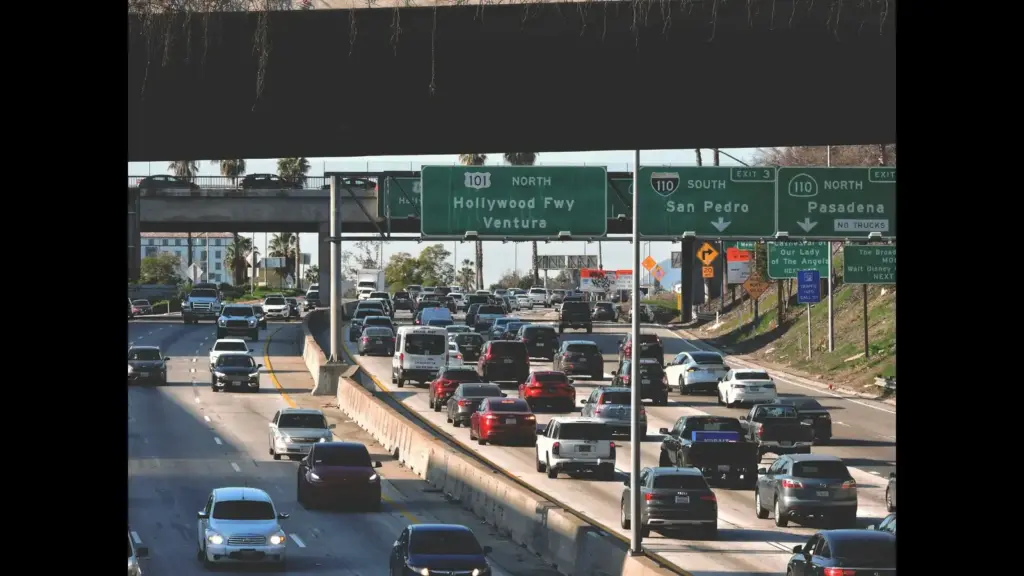
Traffic apps exist for a reason, and this weekend they’re basically mandatory. INRIX, the transportation analytics firm AAA partners with, pinpointed the worst windows for road congestion: Thursday, Sept. 3 from 2 p.m. to 7 p.m., Friday, Sept. 4 from noon to 8 p.m., Saturday from 1 p.m. to 5 p.m., and Monday from 2 p.m. to 5 p.m.
Skipping those windows isn’t just about your sanity. Idling in gridlock burns gas you don’t need to burn. Leave before 10 a.m. or after 8 p.m. on the heavy travel days and you’ll dodge both the traffic and a chunk of wasted fuel.
Fill Up Before the Corridors, Not After
Gas prices spike along major interstate exits during holiday weekends because demand is concentrated and stations know it. AAA’s own advice is blunt: monitor gas prices and fill up before reaching heavily traveled corridors where prices may be higher. Fill your tank in your hometown or a smaller town off the main route, not at the last exit before the interstate on-ramp everyone else is using too.
Step 2: Squeeze Every Mile Out of a Gallon
A few habits that genuinely move the needle, not just internet folklore:
- Use a gas price app. GasBuddy or Google Maps’ built-in fuel prices can show a 20 to 40 cent per gallon swing between stations less than a mile apart.
- Skip premium unless your car requires it. Most modern engines run fine on regular; that “premium boosts performance” line is mostly marketing.
- Keep tires properly inflated. Underinflated tires can quietly tank your fuel economy by several percentage points over a long drive.
- Cruise control on the highway. Steady speeds beat the accelerate-brake-accelerate cycle of stop-and-go city driving, especially on interstates.
Step 3: Eat and Sleep Cheap Without Feeling Like It
Hotel prices are up nearly across the board this year, so this is where discipline pays off fastest.
Book Refundable, Book Off-Peak
Look at Wednesday-to-Sunday stays instead of the classic Thursday-to-Monday window. Hotels near popular drive-to destinations often price the exact same room lower midweek, and shifting your trip by even one day can save real money.
Pack a Cooler Like You Mean It
Restaurant stops on a road trip add up fast, easily $15 to $20 per person per meal for a family. A cooler with sandwiches, fruit, and snacks for the drive, saved for one nice sit-down meal at your destination, can cut your food spend by more than half.
Step 4: Don’t Let a Breakdown Wreck Your Budget
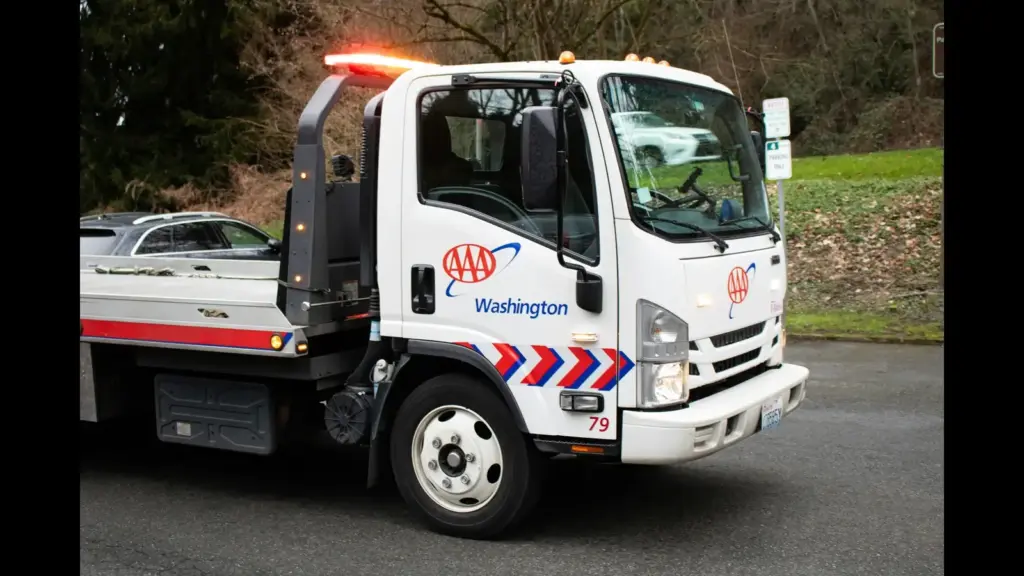
Nobody plans for a flat tire, but AAA handled more than 400,000 roadside assistance calls last Labor Day weekend alone, mostly flat tires, dead batteries, and towing. A pre-trip check takes twenty minutes and could save you a $200 tow bill on a holiday weekend when rates run higher.
Before you leave, check tire pressure and tread, test your battery if it’s more than three years old, top off fluids, and toss a basic emergency kit (water, snacks, flashlight, jumper cables) in the trunk. If you don’t have roadside coverage through your insurance or a AAA membership, a one-time tow could cost you more than a year of that membership would.
The Bottom Line
This Labor Day, the math genuinely favors the road trip over the flight, as long as you plan the drive itself with the same care you’d put into comparing airfare. Time your departure around the worst traffic windows, fill up before the crowded stretches, pack your own food, and get your car checked before you go. None of this requires a spreadsheet. It just requires doing the planning a day or two ahead instead of Thursday morning with a half-packed trunk.
FAQ Section
Is it cheaper to drive or fly for Labor Day 2026?
For most trips under 500 miles with two or more people in the car, driving is typically cheaper this year given that domestic round-trip airfare is averaging $750, and up to $790 for popular destinations. A full tank of gas at $4.08 a gallon rarely comes close to that per person.
What day is Labor Day in 2026?
Labor Day falls on Monday, Sept. 7, 2026.
What are the worst times to drive over Labor Day weekend?
According to AAA and INRIX data, avoid Thursday from 2 to 7 p.m., Friday from noon to 8 p.m., Saturday from 1 to 5 p.m., and Monday from 2 to 5 p.m.
How much has gas gone up since last Labor Day?
The national average was $3.19 a gallon last Labor Day and is running around $4.08 a gallon now, an increase of roughly 28%.
What should I check on my car before a road trip?
Tire pressure and tread, battery health (especially if it’s over three years old), oil and coolant levels, and windshield wiper fluid. Pack an emergency kit with water, snacks, a flashlight, and jumper cables.
Are hotels more expensive this Labor Day?
Yes. Domestic hotel bookings are running about 9% higher than last year, and international bookings are up 12%.
Written with the help of AI, reviewed and edited by Harmony Daniels.
