
Tupac Legacy: In the Event of My Demise — Tupac’s Most Haunting and Unforgettable Message to the Curious

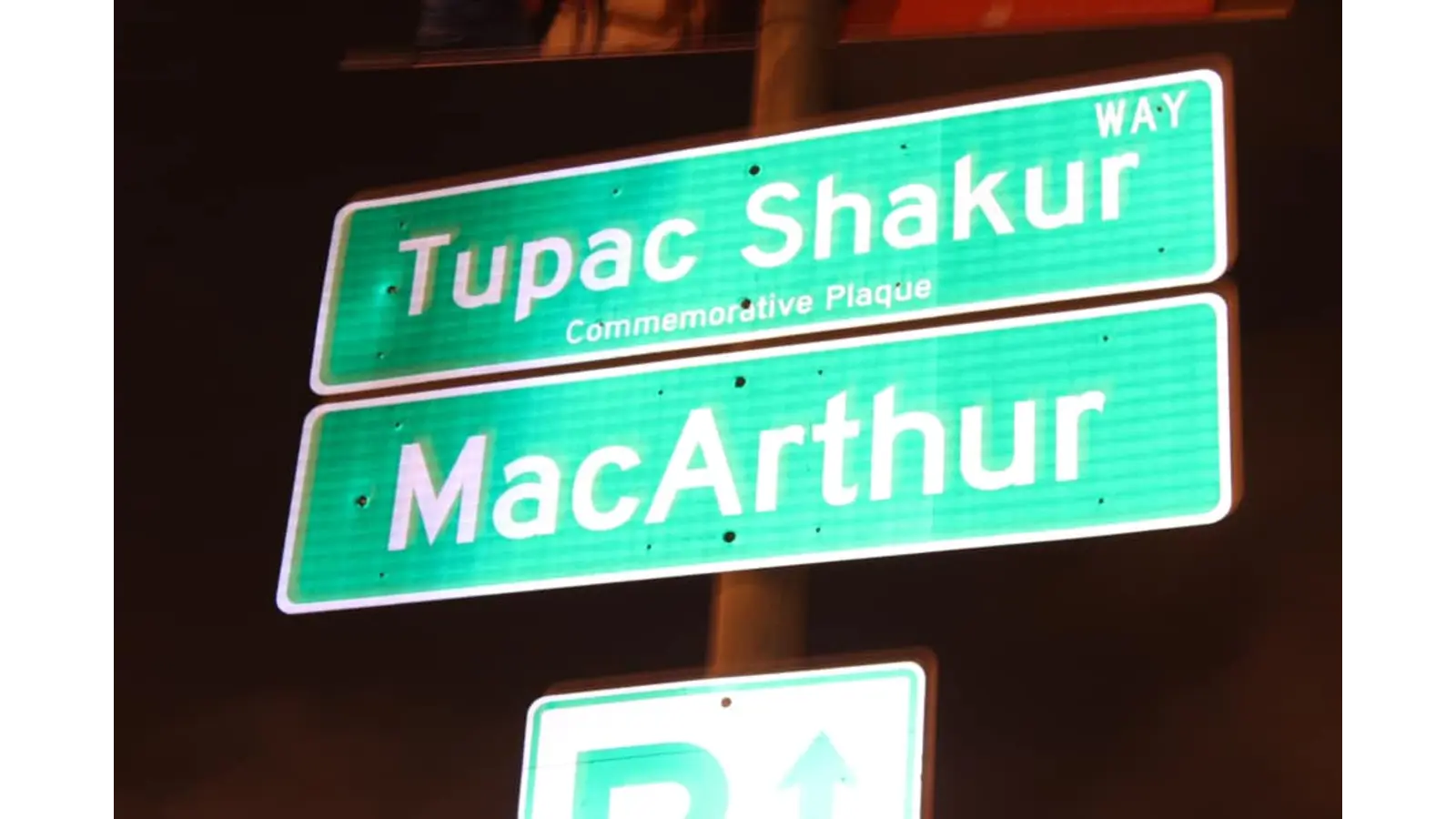
Tupac Legacy has always been rooted in the way Tupac Shakur. Tupac had a gift for writing that felt less like poetry and more like a private conversation, the kind where someone finally says the thing everyone else avoids. “In the Event of My Demise” carries that same intimacy. It’s unflinching, quietly devastating, and eerily prophetic, standing as one of the clearest windows into everything Tupac carried before the rest of the world caught up to it.
The Burden He Was Carrying
Tupac’s writing rarely sounds like someone planning for old age. It reads like someone keeping pace with a deadline only he could sense. That urgency is what gives this piece its edge. There’s nothing staged or exaggerated about it, it’s a young man facing the plain fact that his world didn’t come with guarantees and choosing honesty over denial.
What stands out is the steadiness in how he approaches the subject of dying young. Not resignation, exactly, more like clear-eyed recognition. His focus was never death itself but purpose. He wanted it understood that an early ending, if it came, wouldn’t mean he hadn’t given everything. It would simply reflect a world where talent alone couldn’t shield you from danger.
Speaking to Those Who Wonder

The line addressed “to those curious” carries real weight. Tupac understood that people would spend years trying to piece him together after he was gone, through interviews, tabloids, speculation, and legend, all threatening to bury the actual person underneath. This piece functions as his answer: if you want to know who I really was, this is where to look.
The Tupac Legacy lets people know his story was never just about the music or the headlines. It was built from fear, hope, devotion, rage, love, and a constant push-pull between staying alive and fulfilling what he believed he was meant to do. He wasn’t careless, he was acutely conscious of his circumstances, and that awareness runs through everything he made.
The Person Beneath the Icon
His public image often gets reduced to a short list of labels, musician, actor, activist, legend. This piece pushes back against that flattening, revealing someone who felt things intensely: loved fiercely, fought hard, and cared about others in a way that left him exposed as much as it made him formidable. That exposed quality is what gives the piece its haunting tone.
There’s no swagger in it, no invincibility act. It reads instead like a private admission, the kind of thing put into words in the stillness of early morning, when pretending gets harder and truth gets louder.
Tupac Legacy: Why It Still Resonates

Even now, Tupac Legacy lives on partly because people still treat words as though he could see around corners the rest of us couldn’t. This piece reads like someone who sensed his time was short but refused to let that shrink his ambition. And he didn’t let it. The mark he left has outlasted trends, movements, and decades of cultural change.
Its staying power comes from how universal the feeling is, anyone who has ever sensed time slipping away, whether literally or emotionally, will recognize something of themselves in it. It’s proof that lasting impact isn’t about how long someone lived, but how truthfully they spoke while they were here.
What He Left Us
Strip away the speculation and the noise, and this piece is Tupac telling us: if my time runs out early, remember the intensity with which I lived, not the brevity of it. That’s precisely how he’s remembered. His honesty, his contradictions, his fire, all of it folded into a legacy that shows no sign of fading.
Tupac Legacy isn’t just built on the music. It’s the rawness, the willingness to be seen fully, and the way he challenged the world without ever giving up on it. “In the Event of My Demise” remains one of the most honest messages he left behind for anyone still trying to understand him.
The Tupac Legacy was never built on perfection, it was built on honesty, and that’s exactly what this poem captures. Long after the headlines fade and the myths get sorted from the facts, the Tupac Legacy endures because it was rooted in something real: a young man who refused to hide from his own truth. People don’t return to his words for nostalgia; they return because the Tupac Legacy still speaks to anyone wrestling with fear, purpose, and the urge to be understood. What makes a legacy last isn’t the number of years behind it, but the depth of truth it left in its place.
