
Nissan Altima’s Quiet Exit: A Perfect Storm of Bad Decisions

The Nissan Altima didn’t just wander off into the sunset; it’s being quietly escorted out like a guest who overstayed their welcome at a party. No dramatic farewell tour, no emotional goodbye video, not even a nostalgic commercial. Just a slow fade, the kind you only notice when you realize, “Wait… where did it go?” And truthfully, the reasons behind its disappearance are the kind of corporate chaos that would make a great documentary if Nissan ever felt brave enough to green‑light it.
The Altima’s exit is the result of years of missteps, hesitation, and a stubborn refusal to evolve. It’s the automotive equivalent of someone still using a flip phone in 2026 and insisting it’s “good enough.” Meanwhile, the rest of the industry sprinted toward electrification, hybrid innovation, and tech‑heavy redesigns. Nissan? They kept giving the Altima mild facelifts and hoping nobody noticed the dust collecting under the hood.
Why the Nissan Altima Lost Its Place in the Market
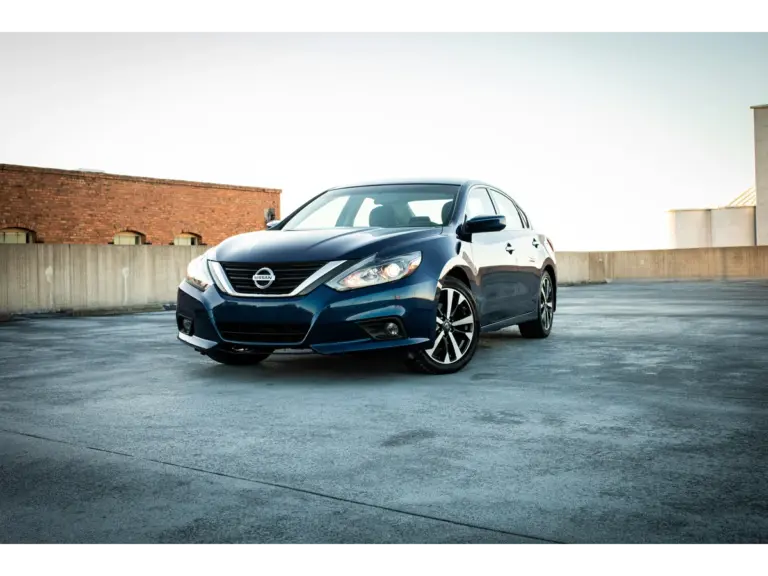
The midsize sedan market has been shrinking for years, but the Nissan Altima didn’t just get caught in the decline, it practically volunteered for it. While Toyota and Honda were busy turning their sedans into hybrid powerhouses, Nissan kept the Altima stuck in neutral. No hybrid option. No electrified version. No major redesign that made people say, “Okay, now we’re talking.”
Consumers wanted:
- Higher seating
- More cargo space
- Better tech
- Cars that fit the “adventure lifestyle” aesthetic
The Altima delivered… none of that. It stayed traditional, safe, predictable, and in today’s market, predictable is the fastest way to get ignored.
How EV Timelines Left the Altima Behind
Nissan was early to the EV game with the Leaf, but then they stalled. Other brands launched electric sedans, electric SUVs, electric everything. Nissan? They were still trying to figure out what the next EV should even be.
This left the Nissan Altima in a weird limbo. It wasn’t electrified. It wasn’t hybrid. It wasn’t future‑proof. It was just… there. And “there” doesn’t survive in a market sprinting toward electrification.
When Nissan finally decided to restructure and focus on EVs and crossovers, the Altima didn’t fit the plan. It wasn’t profitable enough, modern enough, or flexible enough to justify keeping it around. So instead of reviving it, Nissan quietly let it go.
Chronic Stagnation — The Altima’s Biggest Enemy
Let’s be honest: the Altima didn’t evolve. It didn’t innovate. It didn’t keep up. It became the car people bought because it was available, not because they wanted it.
The Altima never got:
- A hybrid option
- A plug‑in version
- A major tech overhaul
- A bold redesign
- A compelling reason to exist in 2026
Meanwhile, competitors were out here flexing new engines, new safety tech, and interiors that felt like actual upgrades. The Altima stayed stuck in the past, and consumers noticed.
This stagnation wasn’t just a small oversight; it was the nail in the coffin.
The Emotional Side of Watching a Familiar Car Fade Away
Here’s the part people don’t talk about: the Nissan Altima was a familiar face. It was the car you saw in every parking lot, every rental fleet, every neighborhood. It was reliable, affordable, and unpretentious. It wasn’t flashy, but it was dependable, and there’s something emotionally grounding about that.
Seeing it disappear feels like losing a background character who quietly held the story together. It’s not heartbreaking, but it’s a little nostalgic. The Altima was part of everyday life, and watching it fade out reminds us how fast the automotive world is changing.
Cars we grew up seeing are disappearing, not because they failed, but because the industry evolved faster than they did.
Nissan Altima’s Farewell: A Lesson in Missed Opportunities
The Nissan Altima didn’t have to go out like this. It could’ve evolved. It could’ve adapted. It could’ve embraced electrification, modern tech, and the changing tastes of drivers. But it didn’t, and now it’s quietly stepping off the stage while Nissan focuses on the future.
Its exit is a reminder that in the automotive world, standing still is the fastest way to fall behind. And the Altima stood still for too long.
