
How to Maintain Your Grill Before Fun Spring Cookouts Begin

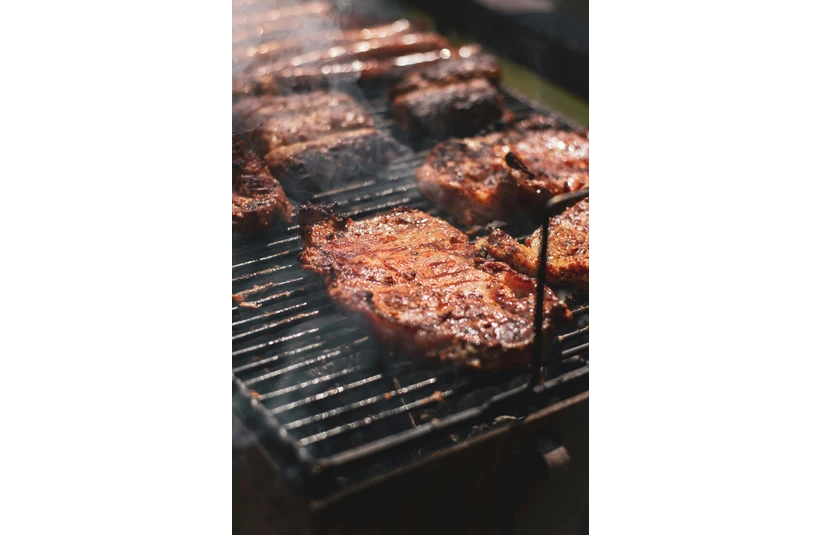
The frost is finally retreating, the days are stretching out, and if you listen closely, you can almost hear the collective sizzle of the grill across the country. But how can we maintain these important tools during the off-season before the spring cookouts begin?
Opening the Doors

Yes, the season of backyard gatherings is upon us. But before you invite the block over for those highly anticipated spring cookouts, we need to have a serious conversation about the metal beast sitting neglected in the corner of your patio: your grill.
Dragging your grill out of its winter slumber requires more than just a quick wipe-down with a damp paper towel. It requires a bit of elbow grease, a touch of mechanical triage, and maybe an apology or two for leaving it out in the January sleet.
If you want your grill to deliver the perfect char rather than a mouthful of last October’s carbonized hot dog residue, you need a plan. Let’s walk through the essential steps to resurrect your cooking station, ensuring it survives and thrives through all your spring cookouts.
The Emotional Reunion: Uncovering the Grill
There is a specific kind of melancholy associated with packing away one’s grill in late autumn, but there is an equal and opposite joy in ripping the vinyl cover off your grill when the first 70-degree day hits.
But as you pull back the tarp, reality sets in. Whether you are rocking a massive built-in stainless steel outdoor kitchen or a modest charcoal kettle, the path to redemption is the same. It is time to get your hands dirty.
The Deep Clean
Let us not sugarcoat this: cleaning a grill that has been sitting idle for six months is a dirty job. You are going to want a pair of heavy-duty gloves and a strong cup of coffee.
Start by disconnecting any propane tanks or gas lines. Safety first, nobody wants to make the local evening news because of a backyard explosion. Remove the grates, the flame tamers, and the drip pans. These are the primary victims of your previous culinary experiments.
Fill a large bucket with warm, soapy water. If things are looking particularly grim, bring in the heavy artillery: a reliable food-safe degreaser or a paste made of baking soda and vinegar. Scrub the grates with a sturdy, bristle-free brush. A nylon brush or a wooden scraper is your best friend in this case.
Do not ignore the interior walls of the firebox. Use a putty knife or scraper to peel away the flaking black carbon buildup.
Inspecting for Winter Wounds
Once the grime is gone, put on your investigative journalist hat and inspect the hardware. Winter weather, fluctuating temperatures, and trapped moisture are the natural enemies of outdoor appliances.
Look closely at the burners. Are the holes clogged with debris or insect nests? Spiders have a notorious habit of taking up residence in burner tubes during the off-season. Use a small wire or a pipe cleaner to clear out the ports.
Check your hoses and connectors for cracks or brittleness. If you have a gas setup, perform the classic soapy water test. Brush a mixture of dish soap and water over the gas hose and connections, then slowly open the gas valve. If you see bubbles forming, you have a leak. Shut off the gas immediately and replace the faulty part. A secure, leak-free connection is the non-negotiable foundation of all successful spring cookouts.
Fueling and Firing Up
There is nothing quite as tragic as prepping a platter of expensive steaks, inviting your friends over, firing up the grill, and watching the flames sputter and die.
Before you plan any menus, check your fuel levels. If you use propane, take the tank to get refilled or exchanged. Keep a spare tank on hand; it is the cheapest insurance policy you can buy against a ruined Saturday afternoon. If you are a charcoal purist, make sure your briquettes or lump charcoal are stored in a dry place.
Now, test the ignition. Hit the spark generator. If you hear a click but see no fire, check the battery compartment behind the ignition button. A fresh AA battery solves 90% of ignition failures.
How to Maintain Your Grill in the Off‑Season Before Spring Cookouts Begin
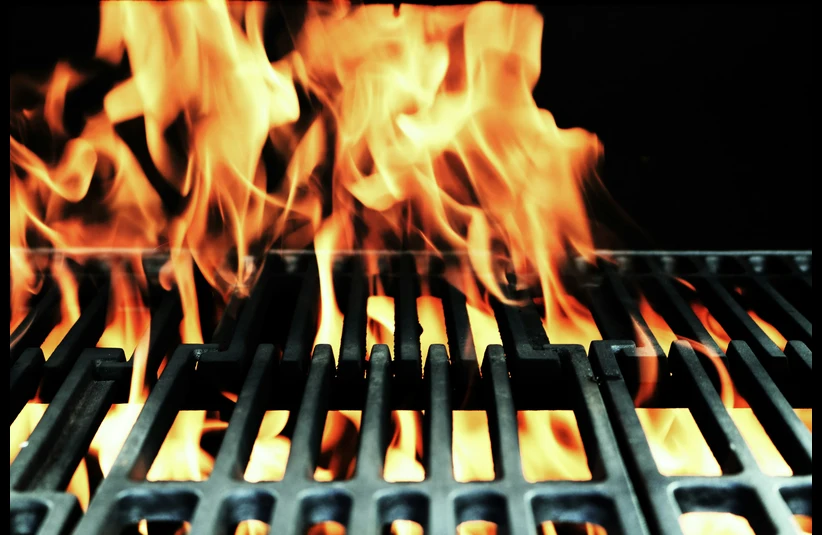
You have scrubbed the grates clean, which means you have also stripped away the protective layer of oil that keeps food from sticking and metal from rusting. We need to put that barrier back.
Think of your grill grates like a cast-iron skillet. They need to be seasoned. Coat the dried grates lightly but thoroughly with a high-smoke-point oil, like canola or grapeseed oil. You can use a paper towel gripped in a pair of tongs to wipe the oil evenly across the metal.
Turn the heat to medium-high and let it bake for about twenty minutes. The oil will polymerize, creating a protective coating. This simple step is the secret to getting those beautiful sear marks on your burgers and preventing your fish fillets from tearing to shreds.
Stocking the Arsenal
While the metal cools, take a moment to audit your grilling tools. Have your tongs lost their spring? Is your spatula warped? Are your heat-resistant gloves looking a little too scorched? Spring is the perfect time for an equipment upgrade.
More importantly, check your meat thermometer. Cooking by touch or by guessing is a fool’s game, and it is the fastest way to serve dry, overcooked meat to your loved ones. A reliable digital instant-read thermometer is the single most important tool in your arsenal. Make sure it has fresh batteries and is correctly calibrated (you can test it in a glass of ice water to see if it reads 32 degrees Fahrenheit).
The Anticipation of the First Bite
Maintaining a grill is not just a chore; it is a ritual. It is the price of admission for the smoky, charred flavors that define the warmer months. Taking the time to properly clean, inspect, and prepare your equipment means that when the weekend arrives and the weather is perfect, your only job is to enjoy the process.
There is a profound, distinctly human joy in cooking food over an open flame and sharing it with people you care about. It connects us to our roots, even if those roots now involve Wi-Fi meat thermometers and stainless-steel side burners.
So, roll up your sleeves, grab a bucket of soapy water, and show your grill some much-needed respect. Here’s to a season of flawless fires and unforgettable spring cookouts.
