
Ancient Food: The Lost Recipes of Ancient Civilizations: The Foods We Forgot and the Cultures That Vanished With Them

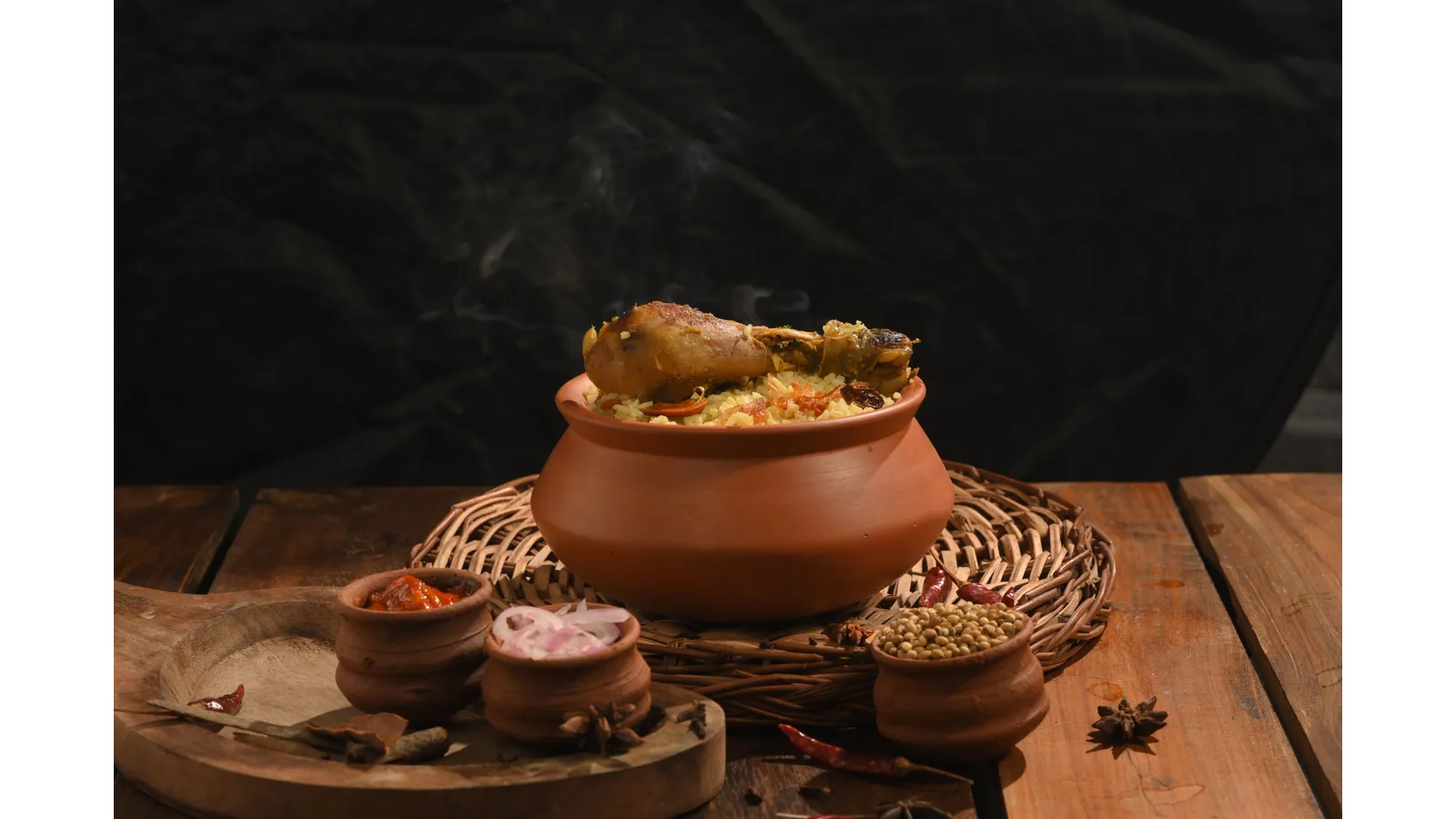
Ancient food wasn’t just “old recipes”, it was identity, survival, and power, all worked into a single dish. Nobody was arranging herbs for a photo or worrying about presentation. What people made and ate reflected who they were, what they had access to, and what they were willing to fight for.
Much of that culinary knowledge is simply gone now. Not because it was inferior, but because the societies that created it collapsed, migrated, or were destroyed before anyone wrote the recipes down. There was no cookbook, no video tutorial, no family member jotting notes for the next generation. When the people vanished, so did the food.
Food as Power
Long before flavor was a lifestyle brand, it was leverage. Control over salt, grain, and preserved meat could make or break a civilization. Trade routes formed around spices. Wars were fought over fertile land. Fermentation, figuring out how to preserve food without killing yourself in the process, was a genuine survival skill, not a hobby.
But it’s the ordinary meals that are hardest to let go of. A stew simmering in a clay pot in ancient Mesopotamia. The fermented fish sauces Romans couldn’t get enough of. The maize‑based dishes Indigenous peoples had already mastered long before Europeans showed up didn’t just feed them, they shaped their entire world. These weren’t just “meals”; they were identity, tradition, and memory all wrapped into one. When those recipes disappeared, it didn’t just erase flavors, it erased a whole way of living.
The Recipes History Couldn’t Keep

Some dishes disappeared because their key ingredients went extinct. Others depended on techniques too specific or too tied to ritual to survive once that context was gone. And some simply vanished along with the people who made them, their language, customs, and cooking knowledge erased together.
Ancient food meant that somewhere, there was a dish someone made every week without fail. Something eaten at celebrations, or during grief, or just because it tasted like home. We’ll likely never know its name. That absence, not the historical trivia, is what actually lands.
Reconstructing the Unreconstructable
Historians and food researchers have tried to revive ancient food, with mixed results. A clay tablet from 1700 BCE might say something like “add herbs,” with no further explanation, leaving modern cooks to guess which plants were even available, let alone how they were prepared.
It’s the culinary equivalent of following instructions written for someone who already knew everything the writer knew. These ancient food recipes were passed down through practice and memory, not documentation, because there was no reason to think anyone in the future would need it spelled out.
People still try anyway: baking bread with wild-caught yeast, testing grains that fell out of cultivation centuries ago, attempting sauces that smell rough but once carried real cultural weight. Even an imperfect result is a kind of connection to the people who made the original.
What These Dishes Reveal
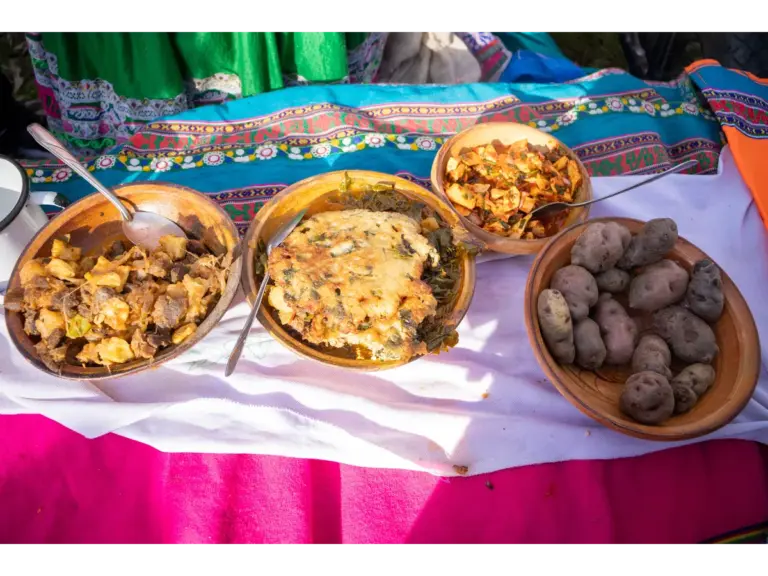
Ancient food is a window into what people valued, their fears, their celebrations, their relationship with the seasons and their gods. It functioned as a kind of storytelling that didn’t need words.
Every recipe that’s been lost is also a reminder that people have always looked for ways to make hard circumstances a little more bearable. They cooked to mark occasions, to grieve, to bond, and simply to get through the day. In that sense, ancient food isn’t primitive, it’s strikingly familiar.
Why It’s Worth Revisiting
We won’t recover most of what’s been lost, but the cultures that created these dishes still deserve recognition. Ancient food isn’t just a historical footnote, it’s evidence that people thousands of years ago cared about taste, comfort, and connection in ways that aren’t so different from how we live now.
What’s gone is a real loss. What’s left is still worth chasing.
