
Prostate cancer nerve graft: 1 man’s remarkable recovery
A prostate cancer nerve graft is giving some men a new shot at recovering erectile function after surgery, even when the cancer has spread into the nerves that control it. Cleveland Clinic highlighted the novel procedure in a recent patient story.
The procedure uses a nerve allograft — specially processed donor nerve tissue — as a scaffold to help the patient’s remaining nerves reconnect and regenerate. Dr. Zeyad Schwen, a urologic oncologist who leads the Prostate Cancer Research Working Group at Cleveland Clinic, performed the operation described in the story.
What the prostate cancer nerve graft involves
The graft is placed during prostate cancer surgery when a patient’s cancer has spread beyond the prostate into the cavernosal nerves — the nerves responsible for erectile function. Because those nerves must be removed along with the cancerous tissue, the graft is used to bridge the gap left behind.
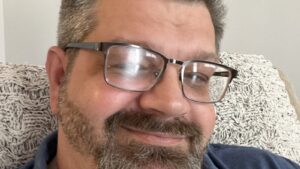
“The nerve graft offered the potential for a faster and more complete functional recovery to improve his quality of life. It serves as a scaffold that may help the nerves reconnect and regenerate over time,” Schwen said of patient Tom Bruckman, 75, who had the procedure in 2025.
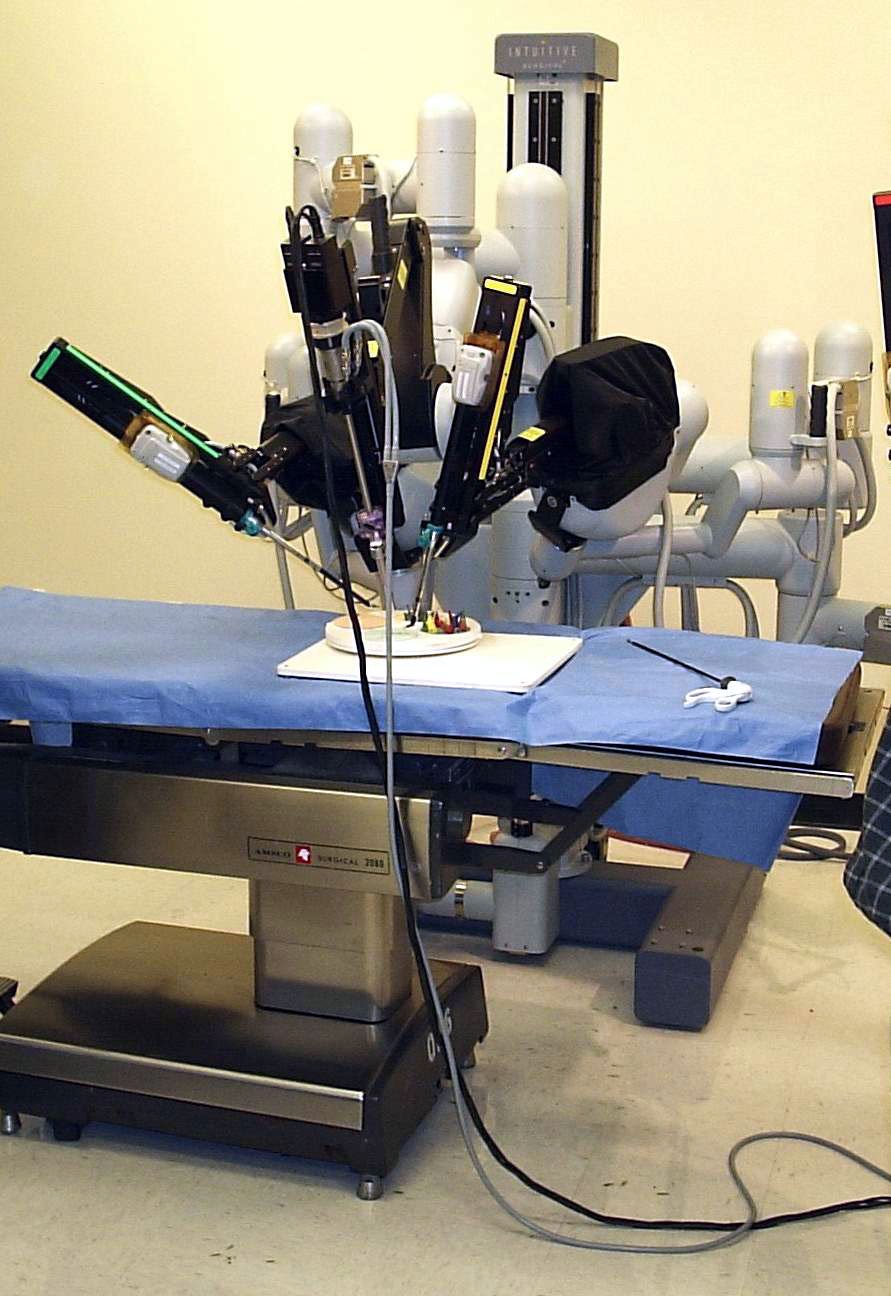
In Bruckman’s case, the graft was performed as part of a multi-port, robot-assisted radical prostatectomy, a minimally invasive operation to remove the prostate.
Who may be eligible
Bruckman’s cancer was found after PSA testing showed rising levels, and a 2025 biopsy confirmed it. The disease had spread beyond the prostate into nearby tissue, including a nerve involved in continence and erectile function.
That made him “an ideal candidate for the nerve allograft procedure,” according to Cleveland Clinic. Based on his case, the prostate cancer nerve graft appears aimed at men whose cancer has reached those nerves, making their removal part of treatment. Cleveland Clinic did not spell out broader eligibility criteria.
Reported recovery and outcomes
Bruckman said he was among the first group of men to receive the cavernosal nerve allograft and that his recovery came faster than he expected.
“Three months after surgery, I was where Dr. Schwen thought I might be after nine or 10 months,” he said.
The prostate cancer nerve graft remains new, and Cleveland Clinic’s account describes one patient’s experience rather than results from a clinical trial.
What remains uncertain
Cleveland Clinic did not publish success rates, timelines for nerve regeneration, the number of patients treated or comparisons with standard surgery. Anyone considering a prostate cancer nerve graft should discuss the potential benefits, realistic expectations and the strength of the evidence with their surgical team.
Prostate cancer drew wide public attention this year when “Dilbert” creator Scott Adams, who had shared health updates about his diagnosis, died of the disease in January. For more health coverage, visit our Health & Relationships section, and talk to a doctor or other health professional before making decisions about treatment.
Reporting from Cleveland Clinic contributed to this story.