
Seed Catalogs Uncovered: The Irresistible Charm That Outshines Digital Tools


Even in an increasingly digital gardening world, seed catalogs continue to hold a quiet, almost nostalgic authority that keeps gardeners coming back season after season. Seed catalogs retain their value to gardeners because they remain traditional resources people still use in the modern digital age. The printed treasures of these documents exist beyond their seed-listing function. The physical objects contain historical value and serve as sources of creativity while providing an experience that digital tools fail to deliver. The article reveals the reason why seed catalogs maintain their enduring value, which exists as a vital resource in our screen-dominated world.
The Tangible Experience
The seed catalog offers an experience that is more than just viewing several websites. Three aspects allow gardeners to experience their gardening dreams through a seed catalog: the touch of paper, the vibrant images, and the descriptive gardens. The tactile object stimulates imagination because technology can not compete. Gardeners can mark their favorite seed catalog pages, which become an inspirational collection.
A Bridge Between Tradition and Innovation
Seed catalogs function as educational resources that inspire users. The system provides complete information on planting zones, including germination periods, soil requirements, and companion planting techniques. The information functions as essential support for beginner gardeners. The experienced cultivators use it as a reliable information source. The combination of practical advice and visual elements in seed catalogs enables gardeners to make informed decisions while developing their creative abilities.
Storytelling That Inspires
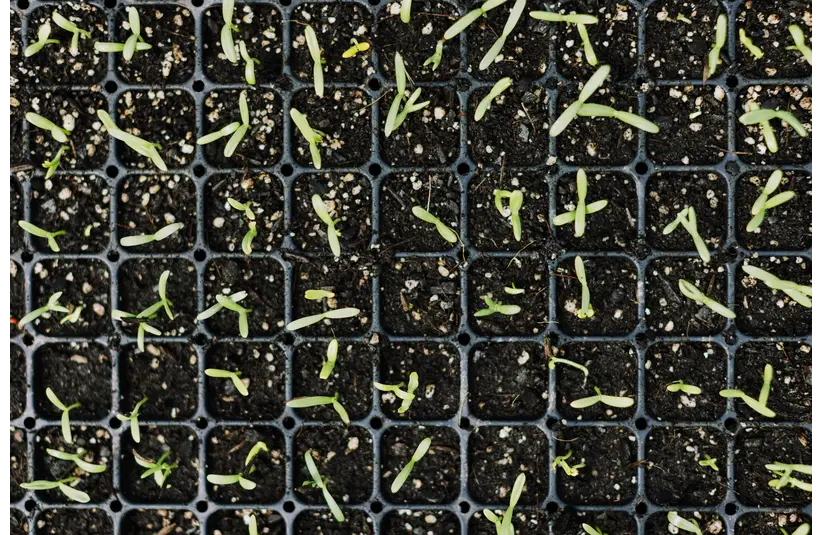
The best feature of seed catalogs lies in their storytelling potential. The product page includes a product description that helps create a product story about the product’s taste, power, and history. Tomato descriptions include product stories on the evolution of the breed, while a flower description includes product stories on the history and symbolism of the flower. The stories create interest and anticipation for seed catalogs, which aren’t just lists of products but special editions. Computer databases provide statistical information about seeds, which describes them.
Educational Tools
Seed catalogs function as educational resources that inspire users. The system delivers comprehensive details on planting zones, including germination times, soil preferences, and companion planting methods. The information functions as essential support for beginner gardeners. The experienced cultivators use it as a reliable information source. The combination of practical advice and visual elements in seed catalogs enables gardeners to make informed decisions while developing their creative abilities.
The Emotional Connection
Seed catalogs evoke nostalgia, a feeling people have when looking into the future. Receiving one in the mail is like opening a gift, a sign of spring and new life. The connection to nature deepens because it helps gardeners understand the natural cycle and feel joy from gardening. People will be satisfied with digital solutions, but they will miss the incredible experience of holding a catalog that promises the best in the future.
Sustainability and Community
Seed catalogs have two main effects: through their contribution to sustainability and through their social networking. It showcases organic farming techniques alongside local seed-swapping initiatives and biodiversity conservation initiatives. The program helps gardeners to extend their sustainable practices beyond their own gardens. The seed catalogs are more than shopping lists because they promote sustainable living and community growth.
Why Seed Catalogs Still Matter
The digital age, which values rapidity, needs seed catalogs because they encourage people to take their time for future planning. The system provides physical touch together with emotional content and educational material, which digital systems fail to deliver. It shows that they function as active documents that maintain their power to educate people and bring communities together.
Seed catalogs exist because their contents provide customers with more than just seeds. The company demonstrates that some traditional practices maintain their complete worth because they need both digital tools and physical methods to operate. The catalogs show gardeners a permanent source of inspiration in printed materials that will shape their gardening future through their enduring appeal.
