
Greenhouse Gardening Renaissance: Unlocking the Hidden Benefits

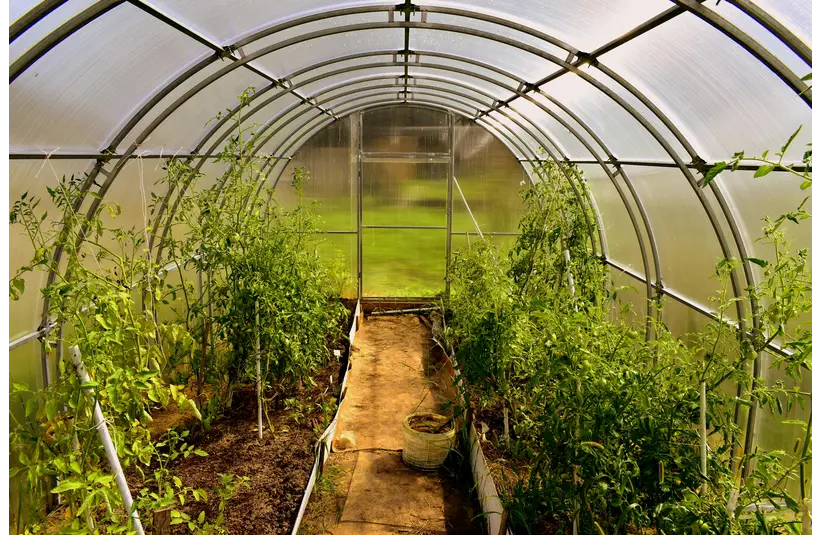
The practice of greenhouse gardening has experienced a significant revival in recent years. The practice has evolved from its original status as a specialized technique for commercial growers to a widespread movement that home gardeners, sustainability advocates, and international communities now practice. It exists beyond the cultivation of plants because it enables people to discover dormant advantages that extend beyond their immediate area. Greenhouse gardening also offers new ways for people to interact with nature while producing abundant harvests.
Extending the Growing Season
The main benefit of greenhouse gardening is that people can cultivate plants year-round. The controlled environment created by gardeners enables them to grow fresh produce throughout the winter. The extended growing season guarantees a continuous supply of fruits and vegetables, which helps to protect local food security by decreasing the need for imported produce.
Sustainability and Resource Efficiency
Greenhouses are important tools that promote sustainable living. The system conserves water by having an effective irrigation system, keeps the crops safe from pests with its protective barrier, and allows the use of new and improved techniques, which involve the use of hydroponics and aquaponics. The contemporary ones powered by solar panels as a source of renewable energy have a minimal environmental impact, and that is why they are deemed to be the most fundamental elements of sustainable gardening practices.
Innovation and Technology Integration
Cutting-edge technology is driving the renaissance of greenhouse gardening. Smart sensors are used by gardeners along with automated climate-control systems and AI-driven monitoring systems to provide optimum conditions in which their plants can thrive. The new technologies not only increase crop production but also enable new gardeners to acquire skills, which connect old methods of plant cultivation with modern scientific methods.
Health and Well-Being Benefits
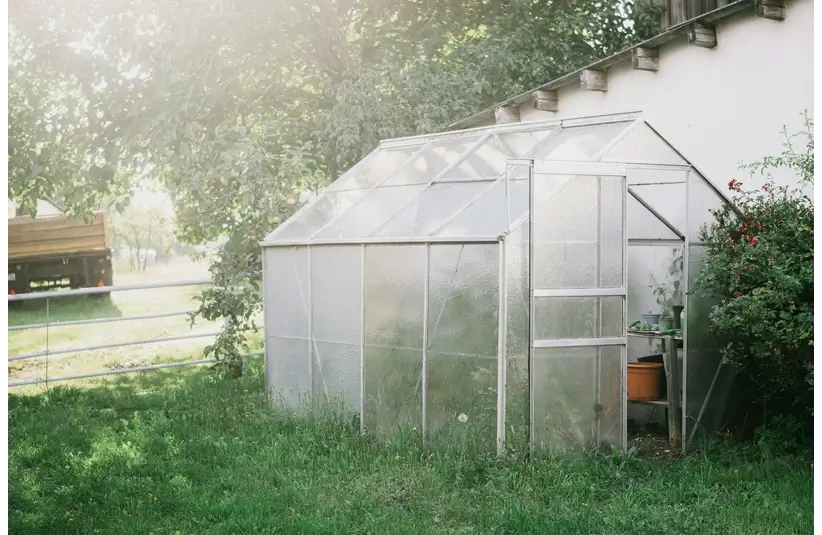
Greenhouse gardening provides deep mental health and physical health advantages that extend beyond its ability to produce food. Greenhouse environments enable people to relieve stress while they improve their mood and develop mindfulness skills. Greenhouse gardening becomes a therapeutic activity because plant nurturing helps people develop better cognitive skills and emotional strength.
Community and Educational Impact
Greenhouses have multiple functions, serving both as community gathering spaces and educational centers. Greenhouse projects serve educational purposes in schools, urban neighborhoods, and community organizations by teaching students about sustainability practices, nutritional knowledge, and environmental protection methods. The shared spaces enable people to cultivate plants while they develop stronger social relationships, which help their community work together to build a sustainable future.
Economic Opportunities for Growers
The greenhouse gardening renaissance is more than transforming personal and community gardens; it is also creating new economic prospects. Small-scale farmers and entrepreneurs will be able to grow a variety of crops and experiment with various plants to provide fresh seasonal products that will satisfy the local market needs all year round. This type of model will enable the farmers to develop sustainable businesses and reduce their dependence on industrial agriculture since it helps develop innovative solutions and adaptive reactions to business issues.
Urban Transformation
The densely populated urban areas currently transform their roofs and empty lots, as well as public space, with greenhouses and turn them into natural ecosystems. Urban greenhouses will help in overcoming food deserts by offering fresh foods where they are needed, decrease carbon footprints by minimizing transportation requirements, and make neighborhoods attractive with greenery. The buildings exhibit a modern trend that promotes sustainability and environmental friendliness since they depict that nature is capable of surviving on glass even in an urban setup.
More Than a Garden
It is a garden revival that endures and is a blend of old methods and new solutions, with a sense of environmental awareness to improve personal health and community development. It is evident from the underlying advantages of a greenhouse that this structure is not merely a plant growth house, but rather a path to nature-based resilience and to natural abundance and harmonious coexistence with the environment. The greenhouse is now a symbol of hope, leading to new beginnings in the present age.
