
Keeping Your Garden Alive During a Heat Wave Using 5 Care Tips

No summer has ever been the same. Most are mild, and a few come with extreme heat waves that are catastrophic for some plants, with symptoms like wilting, defoliation (leaf drop), burned leaves and stems, faded blooms, bolting, yellowish stems, stunted growth, and even death. To survive the intense heat, plants will need some TLC. Knowing the proper techniques to use during this period differentiates seasoned gardeners from terrified ones, lessens the effects of heat waves on the garden, and ultimately avoids some damage.
Do Heat Waves Really Hurt Plants?
Yes, when heat is extreme. Temperature increases aren’t bad for plants; in fact, plant growth increases in response to rising temperatures. However, when temperatures exceed 86°F(the ideal range limit), most plants’ growth starts to slow down due to;
- Reduced rate of photosynthesis (how plants convert sunlight to food), impacted by the temperature rise, which makes them prioritize survival over growth.
- Disrupted respiration speed (how plants use the food made to grow and develop).
- Transpiration (the process by which leaves emit water vapor into the atmosphere) exceeds the amount of moisture absorbed by the roots, causing water loss, or desiccation, and reducing the amount of water accessible to plants.
Leaves wilt as their water content drops, lowering the rate of water loss. Yet leaf temperature rises due to decreased evaporative cooling. Failure to reduce it worsens the cycle, perhaps killing some or all the leaves.
P.S: Plants may regulate their transpiration and respiration rates to attain a thermal equilibrium in mild heat stress.
How Do You Stop Heat Waves From Destroying Gardens?
Plants may have issues due to short heat waves; the problems usually resolve themselves once the heat passes. But gardeners may protect plants from heat stress using certain farm management techniques since they have no control over the weather. Some of these techniques prevent plants from suffering heat stress, while others help them adapt to the heat.
Watering
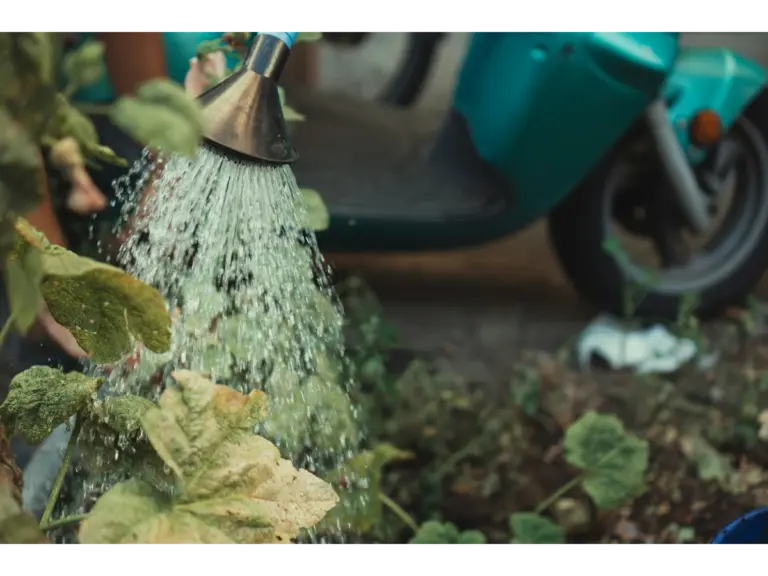
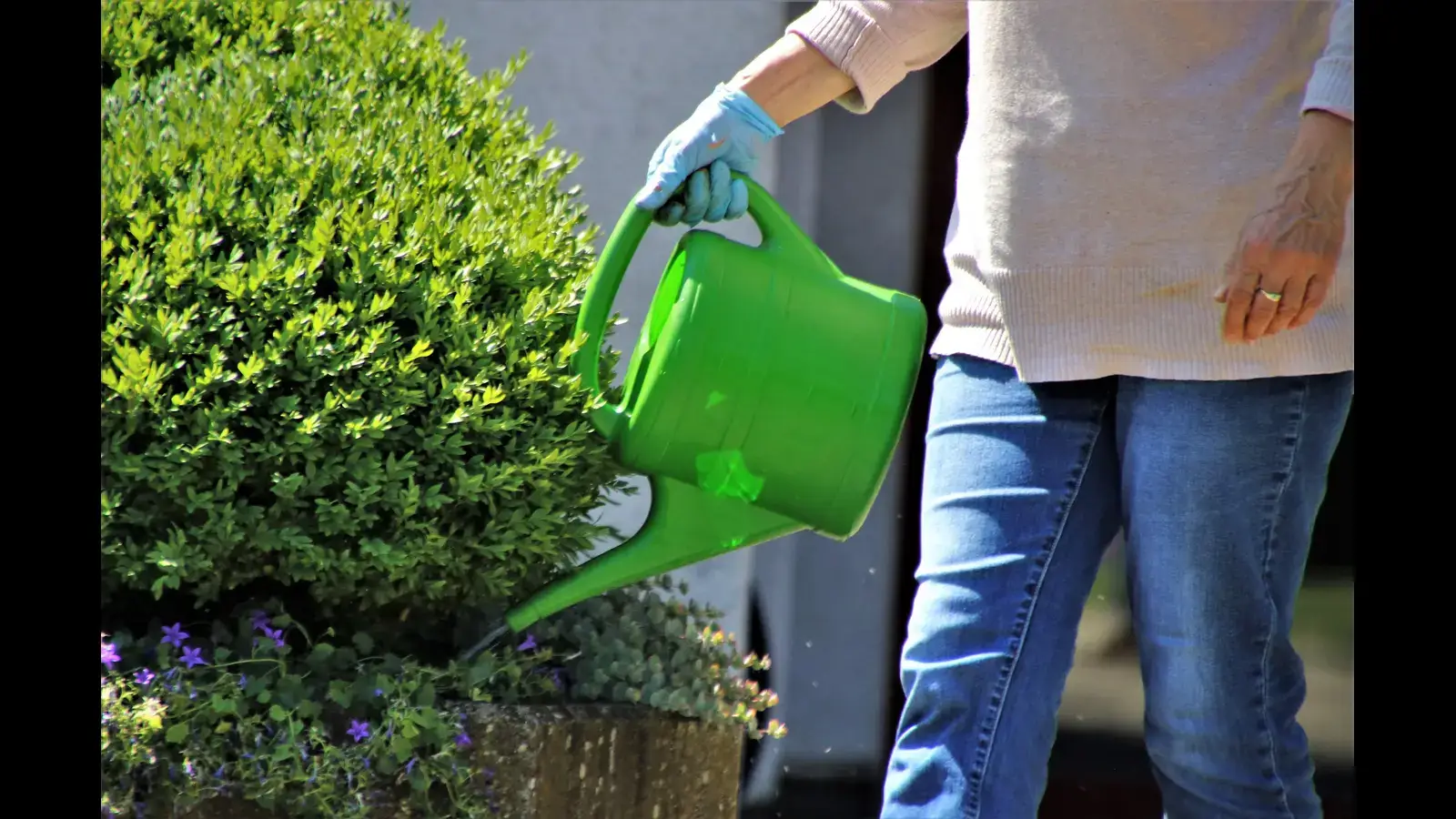
Plants get thirstier when the weather is scorching due to water loss through leaves, so watering becomes vital during a heat wave—not excessively, but wisely. Watering plants incorrectly or at the wrong time can actually make things worse. Before watering, accurately assess soil moisture (done at least once daily) and do not rely on surface appearance. At times, sufficient moisture may be present at the root depth, and the top inch of soil appears completely dry.
Apply the “finger test” to check moisture by pressing your finger 5 to 7 centimeters into the soil. If dry, add water; if it’s wet, hold off. Plants should be good until the following morning watering cycle if it’s damp enough at that depth.
How Much Water Do Plants Need During a Heat Wave?
Quantity is important! Even in dry conditions, excessive water can be grave to the plants, causing root rot, reduced soil oxygen, and stress-sensitive tree plants. Too much plant watering is “killing them with kindness,” especially where lawns border landscape plants that are susceptible to damage from regular watering. Under normal circumstances, a plant requires one inch of water weekly, but during a heat wave, inches should increase to two. However, how the appropriate inches are delivered matters. Delivering small amounts of water daily is not recommended because it may not even reach every part of the root zone. Rather, give it a thorough watering twice weekly.
How Is The Water Applied?
Deep watering works best because plants’ water demand increases during a heat wave. Shallow watering (sprinkling or overhead) only keeps roots near the hot soil’s surface, increasing susceptibility to heat stress. Watering deeply right at the base of the plant saturates the soil. It further drives moisture down (6-8 inches deep), which helps conserve water and encourages roots to grow deeper into moister, cooler soil, where they are shielded from surface heat. It’s recommended to hand-water rather than using sprinklers to deliver the right amount of water to each crop. It’s more effective since only the targeted plants are watered.
P.S: Don’t wet plants with recycled or salty water; they are harmful to them.
When Are Plants Best Watered In a Heat Wave?
Timing equally matters as quantity when watering plants. Watering during the hottest part of the day is generally unnecessary and inefficient because plants are focused on withstanding heat, except when a plant is severely dehydrated (aling) and in danger of shutting down its photosynthetic processes. The ideal daytime to water is between 5 and 10 in the morning or late evening (after 6 pm) as a backup if you are unable to water in the morning. Morning is generally preferable, as it gives plants ample time to absorb water down to the root level. Fungal diseases are less likely since plants are fully hydrated before the heat peaks, plus their foliage dries out quickly.
How Frequent Should You Water?
Water every two to three days during typical summer weather. Change to daily for containers and alternate days for in-ground beds when temperatures hit 100°F+ (38°C+). Sandy soils may require more watering because they dry quicker than clay.
Mulching
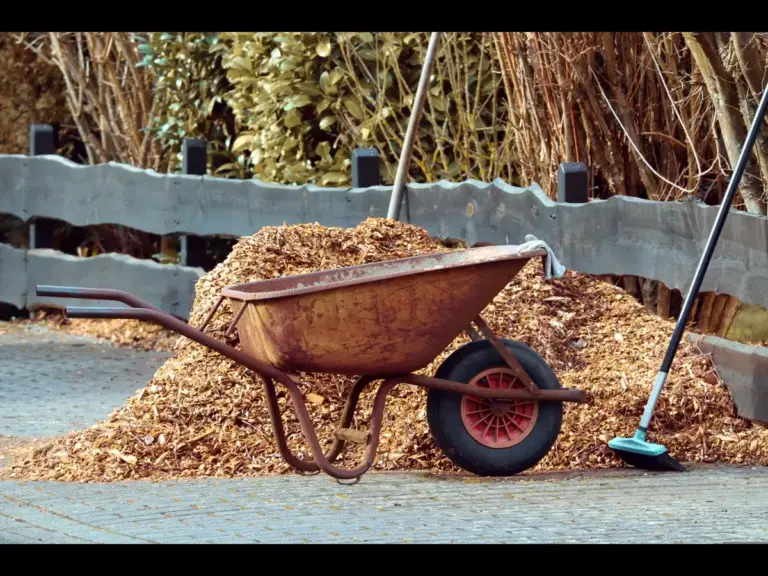
Mulch is a crucial item to have, as watering is a crucial action to take during a heat wave. Applying a thick layer of it around your plants is the surest defense against hot weather that might dry out surface soil. Mulching plants’ roots has three benefits:
- Significantly slows the pace at which soil moisture evaporates and gives plants access to moisture in between watering cycles.
- Prevents weed growth, consequently reducing competition for plants’ nutrients, water, and space.
- It insulates the soil surface, shielding it from temperature fluctuations.
Compared to bare soil, mulched plants can stay up to 10°F (5.5°C) cooler and retain more water. This difference affects watering frequency during a heat wave. Excellent choices of mulch include:
- Shredded leaves: is the most economical yet effective mulching resource choice. It’s free, sustainable, and nourishes the soil as it breaks down.
- Straw: is a traditional option for vegetable gardens. It’s lightweight, a good heat reflector, and decomposes over time to provide organic substance to the soil.
- Grass clippings: give optimal effects when combined with straw or when applied as a thin layer (2.5-5.5 cm) to prevent matting down and becoming sticky, which causes them to reject water instead of absorbing it.
- Wood chips and bark mulch: last longer than straw and are great for shrubs and perennial beds. Walkways and areas around trees and bushes can benefit from them. Bark mulch is generally used as shade for the soil, given its capacity to prevent weed growth and save water. However, gardeners should be mindful of invasive species infecting shrub beds due to the mulch’s weed seed content.
How Much Mulch Should I Apply During a Heat Wave?
Except for grass clippings, spread 3-4 inches (7.5–10 cm) of thick organic mulch evenly around your plants. Leave a 2-inch space from the plant’s stem and crown to prevent root rot and disease. As the mulch breaks down and the layer gets thinner, add additional mulch.
Mulching Errors To Avoid
- Avoid excessive mulch and mulch volcanoes. While too much mulch can block airflow and water passage, mulch volcanoes near trees promote the growth of diseases on trunks and harbour insects and rodents that could harm the tree’s bark.
- Never use black plastic mulch in extremely hot temperatures. It absorbs and radiates heat, raising soil temperature. Cover it with straw if you already have it down, or remove it completely during the hottest period.
Provide Shade
Plants can’t move to shade like humans during hot weather; you will need to bring shade to them, or else their health and productivity will suffer. Installing a shade cover during this period provides much-needed relief, especially for sensitive plants (cool-season crops, newly planted seedlings, and young transplants), and generally shields all plants from the sun. Shade cloth or garden burlap minimizes moisture loss by filtering intense light, which maintains a controllable leaf and soil temperature while permitting photosynthesis. Shade fabric comes in rated shade factors and percentages, ranging from 25% to 90%, describing the amount of sunlight blocked.
Use 30 to 50 percent shade cloth for most plants and adjust densities to filter the amount of light needed. Remember, shade cloth provides temporary and partial protection from the sun and won’t stop the heat; it only minimizes the heat stress on plants enough to quicken their recovery.
For a long-term, yet cost-effective solution, adopt companion planting. The strategic approach involves planting different species together, where you place tall sun-loving flowers to the west of shorter, more sun-sensitive ones to give natural shade. This kind of planting allows your garden to provide its own shade, yielding benefits throughout the summer.
Which Plants Need Shade The Most During a Heat Wave?
Leafy greens, spinach, arugula, lettuce, and herbs are the most susceptible to extreme heat. They quickly wilt, bolt, and decay if left unprotected. The same goes for seedlings and recently transplanted plants that have not yet developed deep roots.
Relocate Container Plants
Potted plants are usually vulnerable during a heatwave. Compared to garden soil, the heat affects their pots from all angles, causing their soil to heat faster and occasionally raising temperatures to levels that are harmful to the roots. Move container plants away from the sun blast to a shaded spot after they have absorbed the morning sun and taken enough water to use throughout the day. Use the following survival tips to keep container plants in excellent condition in intense heat.
- Water Frequently: Potted plants get thirstier because their pots get hit the hardest during a heat wave. Water them twice daily: early in the morning and in the evening. Fill with water until it drains from the bottom. For in-ground beds, if water passes through the drainage hole right away, the soil is hydrophobic; you will need to immerse the whole pot in a bucket of water for about 20 minutes to rehydrate.
- Put Containers in Groups: Grouping containers allows plants to shadow one another’s pots and increase humidity around each pot.
- Wrap Containers Differently: Change the container wrap to light colors, use burlap, or even folded newspaper to minimize soil temperature and reflect heat away from the pot.
- Double-Potting: Place small dark plastic pots in a bigger light-colored pot. The bigger pot acts as insulation, and the air gap between pots stops direct heat transfer to the root zone.
- Use plastic, glazed ceramic, or fiberglass instead of terracotta during heat waves. Terracotta is penetrable and drains away moisture through the walls. Wrap with burlap to reduce evaporation if you must use them.
Don’t Further Stress Plants
You will be tempted to fight to fix things in your garden when temperatures are persistently high. Resist the urge! Taking on heavy-duty tasks equals trying to do too much, which will upset the soil and the struggling plant. Plants on their own can recover quickly; doing too much, such as fertilizing, weeding, harvesting, planting, and pruning, puts the plant’s health at risk rather than saving it.
- Avoid pruning unless essential. The process reduces the amount of shade supplied to roots immediately branches and leaves are removed. Plants already function slowly in intense heat. Fertilizing only starts development they can’t sustain, which increases their stress levels.
- Postpone gardening like planting and transplanting until the temperature is mild.
- Harvest fruits when they are mature to reduce pest infestations and fungal infections. Harvesting right after sunrise maximizes fruit viability and nutritional value, as well as reduces plant stress.
Wait until temperatures cool down before any major activity in the garden. Your goal at this time is to shield the plants from the searing heat to reduce the stress they are under through consistent hydration, offering shade when necessary, and allowing them to store energy.
What Plant Does Best in Extreme Heat?
Thermophilic plants, a.k.a. heat-tolerant plants. Although no plant is totally resistant to intense heat, some perform far better than others when temperatures rise for a longer period. Thermophilic plants naturally withstand summer’s rising temperatures without trouble; choosing them is the best long-term strategy for a heat-resilient garden. You save time and money when you know which plants need help and those that don’t.
- Annual plants, garden beds/containers: Zinnias, moss rose, vinca, marigolds, celosias, melons, watermelon, and lantana. They do well and provide vivid colors in hot, dry conditions.
- Vegetables: Okra, sweet potatoes, green beans, lettuce, spinach, peas, celebrity, Heatmaster, Sun gold, tomatoes, peppers, basil, and eggplant.
- Perennials: Black-eyed Susans, russian sage, coneflowers, and Mediterranean native herbs like oregano, thyme, and rosemary. They all require no special care during a summer heat wave.
Other drought-resistant plants with outstanding aesthetic value are Agapanthus, Warm Wood, Hollyhocks, Yarrow, Rosemary, and Lavender Feather Reed Grass.
Protecting Gardens Against Subsequent Heat Waves
Heat waves are becoming the norm and are frequent in some parts of the world. Adapting gardens to climate change is becoming essential to cultivating a low-maintenance, robust garden that retains beauty all season. Although surviving heat waves can be challenging, it is possible with the right plans in place. Don’t panic if your garden looks a bit worn out during a heat wave. The majority of heat-related damage is caused by gardener fear.
The best course of action during this period is to do less, avoiding needless stress that can’t impact how quickly plants recover. The goal is not to create a perfect garden but to simply reduce plant stress so they can keep growing. Above all, keep an eye on the weather forecast and water deeply the day before if temperatures are expected to reach the 90s.
