
Top 10 Best Greenhouse Crops for Beginners to get an Early Start

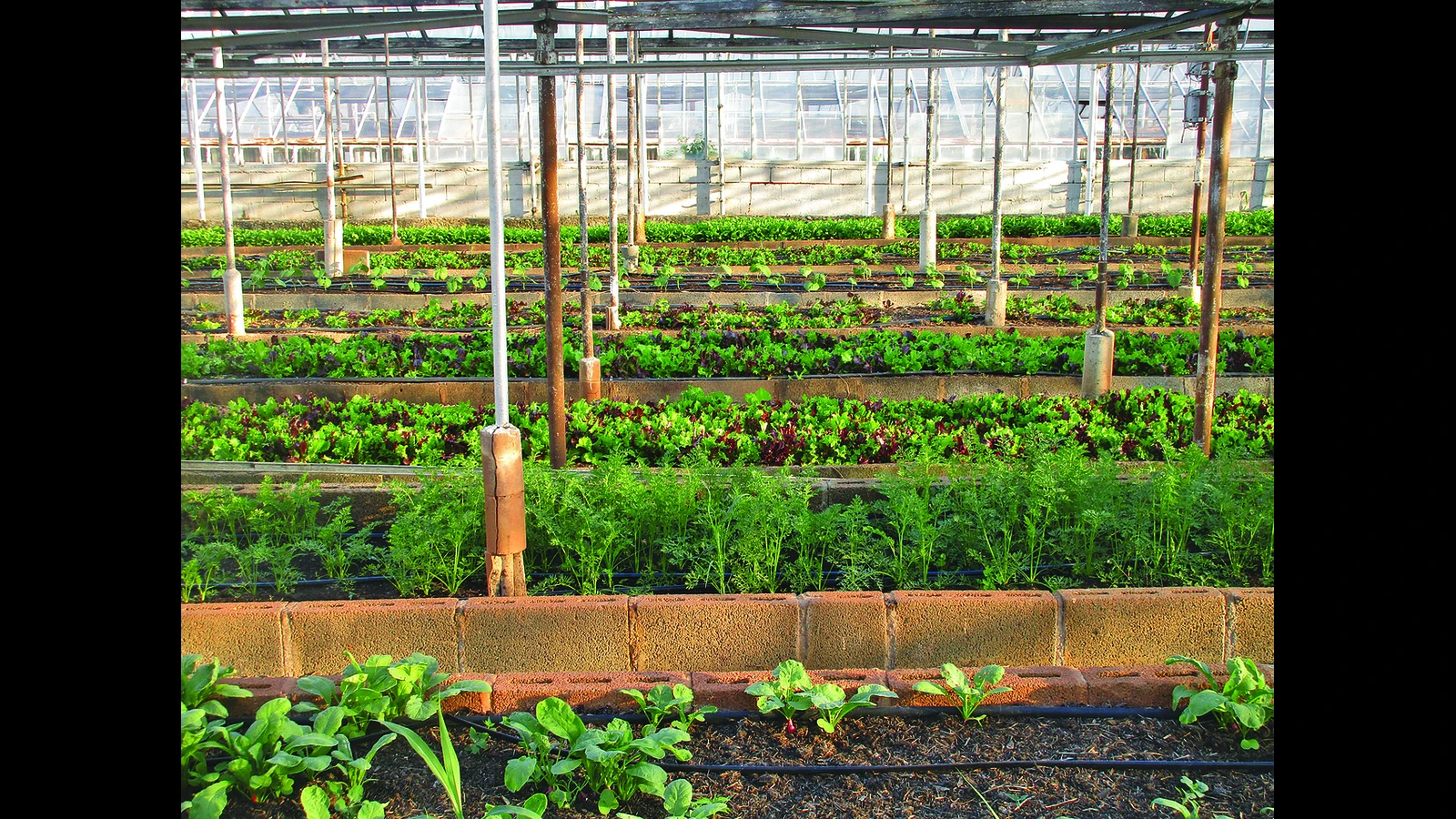
We are encroaching on summer months here in the Northern Hemisphere, but some gardening advice is evergreen. Knowing which greenhouse crops develop when can help maximize your yield and spatial efficiency. Furthermore, starting early can circumvent harsh weather patterns, and will allow you to have high-value, high-demand produce for your local market. A note before continuing: I mention at different points that crops that are frost-resistant and a crop that is temperature-sensitive are both benefits for beginning garden staples from a greenhouse. These ideas are mutually exclusive, with a crop being resistant to frost being a boon for beginners, while a crop being sensitive to temperature shifts being a benefit for early greenhouse growth.
10. Onions
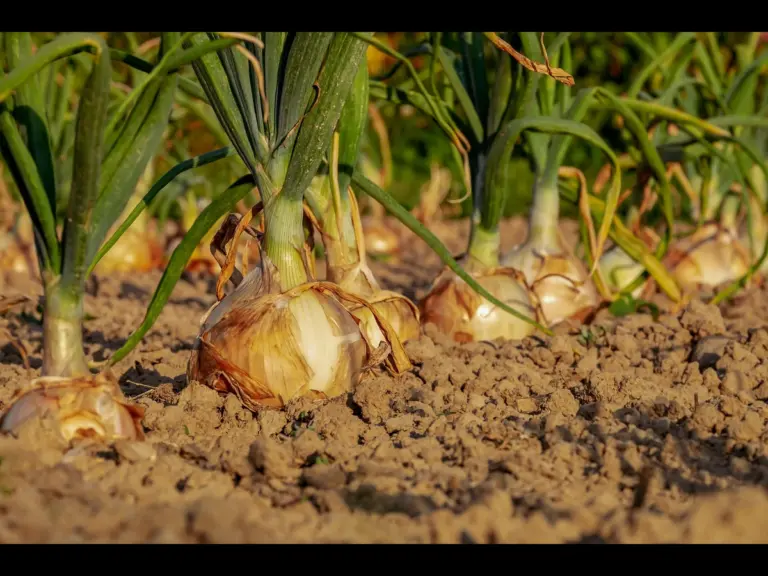
Onions, by nature, are usually already an early starter, often needing 8-12 weeks before planting. They are resilient, being able to bounce back from being handled, and will take up minimal space. Their high tolerance for cold temperatures means that there is room for mistakes and late frosts without worry of losing a crop.
9. Cucumbers
Cucumbers will give an early harvest if started in a greenhouse, but there is warranted caution. You should not start them too early, as cucumbers can and will outgrow their starting containers quickly. They germinate rapidly in warm soil and offer a quick turnaround, offering their first yield within 50-60 days. They are logistically forgiving with vertical growth, and they are even self-pollinating.
8. Celery
Celery is a slow-growing crop, benefiting from a substantially early start. It can take upwards of 120-140 days to mature, and is especially sensitive to cold snaps. Celery’s difficulty as a crop is minimized greatly by being grown in a controlled environment, and greenhouse growth will give it a good head start for contending with summer heat.
7. Brussels Sprouts
Brussels sprouts are a great choice for gardeners in northern climates, as they can handle reasonable exposure to the cold. Their long growing cycle makes for another great reason for an early start. Given their tolerance of fluctuating temperatures, Brussels sprouts do not require heating mats or other specialized greenhouse equipment. This helps to strengthen a gardener’s foundational skills without too much risk for bolting, rotting, or consumption by early spring pests.
6. Eggplant
Eggplants have a long growing season, making the early start invaluable. The eggplant is great for beginners as they are a low-maintenance, high-productivity fruit. They are also durable and adapt well to transplanting.
5. Cauliflower
Cauliflower is somewhat sensitive to temperature fluctuations in its earlier stages. This means that the safety of a more controlled environment to start in is more conducive to a healthy crop. Cauliflower germinates quickly, usually within 4-7 days. This means novice gardeners will have rewarding results with a vegetable that can start dozens of plants from one seedling heat mat.
4. Cabbage
Cabbage handles colder temperatures well, and those started in a greenhouse will produce heads earlier. Its time in the greenhouse will protect it from pests while it is in its more vulnerable stages. Cabbage can handle below-freezing temperatures, making it one of the less cumbersome choices to grow.
3. Peppers
Peppers usually need a lead time of at least 8-10 weeks, as they germinate slowly and need warm soil to begin growth. Peppers grow compactly, making them easier to store. They’re forgiving and can be overwintered indoors, making them one of the more foolproof garden staples.
2. Swiss Chard
Swiss chard is considered among the best crops for beginners to handle. It is hardy, tolerant of cooler temperatures, and more forgiving of mistakes. When concerning greens, Swiss chard is among the least delicate and most productive. Like with cucumbers, Swiss chard can be harvested multiple times a season. It is tolerant of mistakes and can produce yields for much longer than other choices.
1. Tomatoes
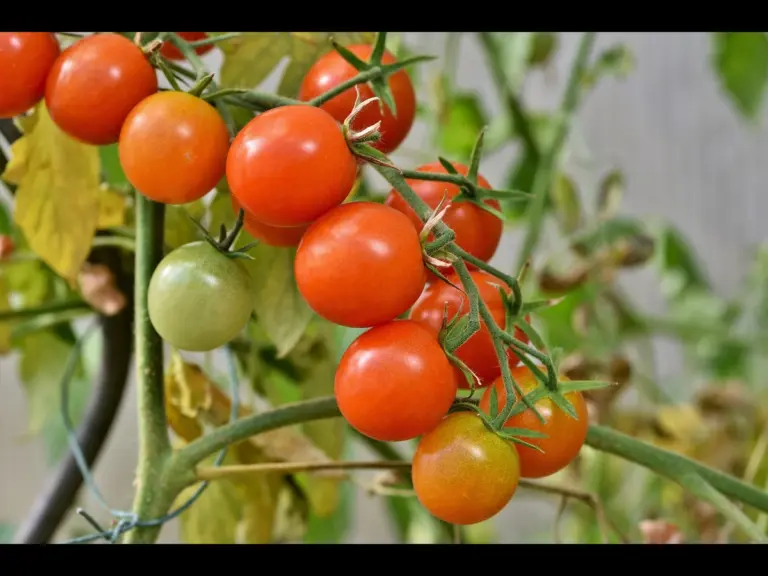
Tomatoes are my personal choice for the best greenhouse crop to start early. They have a slow, multistage life cycle and are sensitive to cold snaps, giving them a solid foundation if started in a controlled environment. Tomatoes yield a bounteous harvest, and they can even self-pollinate.
