
Food Content Is Becoming More Important Than the Meal Itself

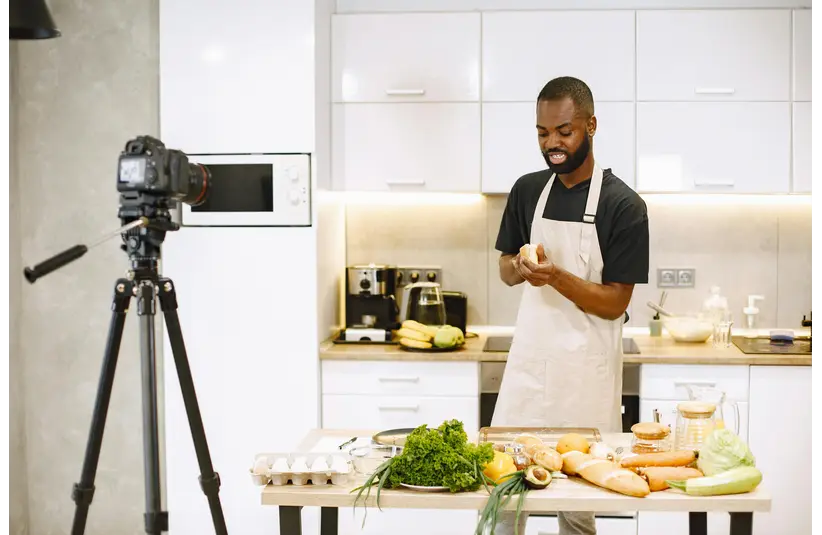
If you’ve ever sat down at a restaurant, starving, only to watch someone angle their phone over a plate like they’re photographing a rare lunar eclipse, congratulations—you’ve witnessed the modern transformation of food content in real time. Food isn’t just food anymore. It’s a prop. A performance. A supporting character in someone’s personal brand. And honestly? It’s getting a little wild out here.
The Era of Eating With the Camera First
There was a time—simpler, quieter—when people ordered a meal and then, you know, ate it. Now, the fork doesn’t touch the plate until the lighting is perfect, the angle is flattering, and the steam rising off the pasta looks like it’s auditioning for a perfume commercial.
Food content has taken over every corner of the internet. TikTok, Instagram, YouTube, even the apps that swear they’re “not for influencers” are drowning in slow‑motion cheese pulls and dramatic latte pours. It’s like we collectively decided that the world needed more footage of beverages being stirred.
And the wildest part? We’re eating it up—pun fully intended.
Why We’re Obsessed With Turning Meals Into Media
Let’s be honest: food content scratches an itch we didn’t even know we had. It’s comforting, it’s satisfying, and it gives us a tiny hit of dopamine without requiring us to actually cook anything. Watching someone else whisk, chop, drizzle, and plate is basically the adult version of watching Saturday morning cartoons.
But there’s more to it:
- It’s escapism — A beautifully shot bowl of ramen feels like a mini vacation from your inbox.
- It’s aspirational — Even if your dinner is cereal, you can pretend you live in a world of truffle oil and handmade pasta.
- It’s emotional — Food content taps into nostalgia, comfort, and the universal desire to feel taken care of.
- It’s addictive — There’s something hypnotic about watching melted chocolate cascade like a tiny, delicious waterfall.
Food content isn’t just entertainment—it’s therapy with better lighting.
When Food Stops Being Food
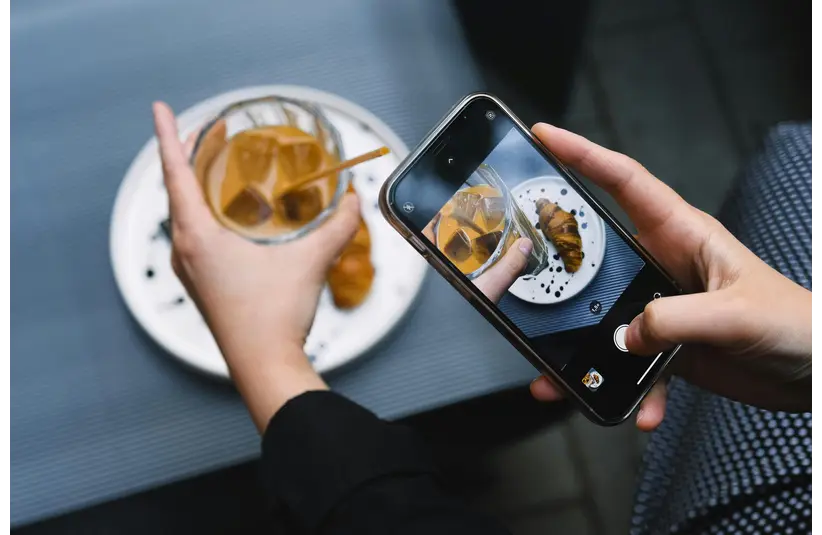
Here’s where things get a little unhinged. Somewhere along the way, we stopped treating food like something to enjoy and started treating it like something to capture. Meals are now staged like movie sets. People rearrange fries for symmetry. They wipe smudges off plates with the intensity of a surgeon prepping for operation. They’ll even let their food get cold—cold! just to get the perfect shot.
Imagine explaining that to your ancestors.
Food content has turned everyday meals into mini productions. And while it’s fun, it also raises a hilarious question: are we eating lunch, or are we producing a short film titled Aesthetic Brunch in Natural Light?
The Emotional Side of Food Content
Underneath the filters and the fancy editing, there’s something surprisingly human about this trend. Food is emotional. It’s tied to memory, culture, comfort, and connection. Sharing it—even digitally—feels intimate.
Posting your grandmother’s recipe? That’s storytelling. Filming your favorite café drink? That’s joy. Sharing a chaotic kitchen fail? That’s vulnerability. Food content lets people express themselves in a way that’s warm, relatable, and a little messy—just like real life.
And maybe that’s why we can’t stop watching. It’s not just about the food. It’s about the feeling.
So… Is This Trend Good or Bad?
Honestly? It’s both. Food content can bring people together, and makes cooking feel less daunting. But it can also turn dinner into a performance and make us forget that meals are meant to be enjoyed, not curated.
Still, if the biggest problem we have is that people are taking too many pictures of pancakes, we’re probably doing okay.
Final Bite: Food Content Isn’t Going Anywhere
Whether you love it, hate it, or secretly film your own “day in my kitchen” videos, one thing is clear: food content has become a cultural force. It’s entertaining, emotional, and sometimes a little ridiculous—but it’s also a reminder that even in a chaotic world, we still find joy in the simple things.
Even if we photograph them first.
