
12 Charcuterie Elements to Build the Perfect Summery Board

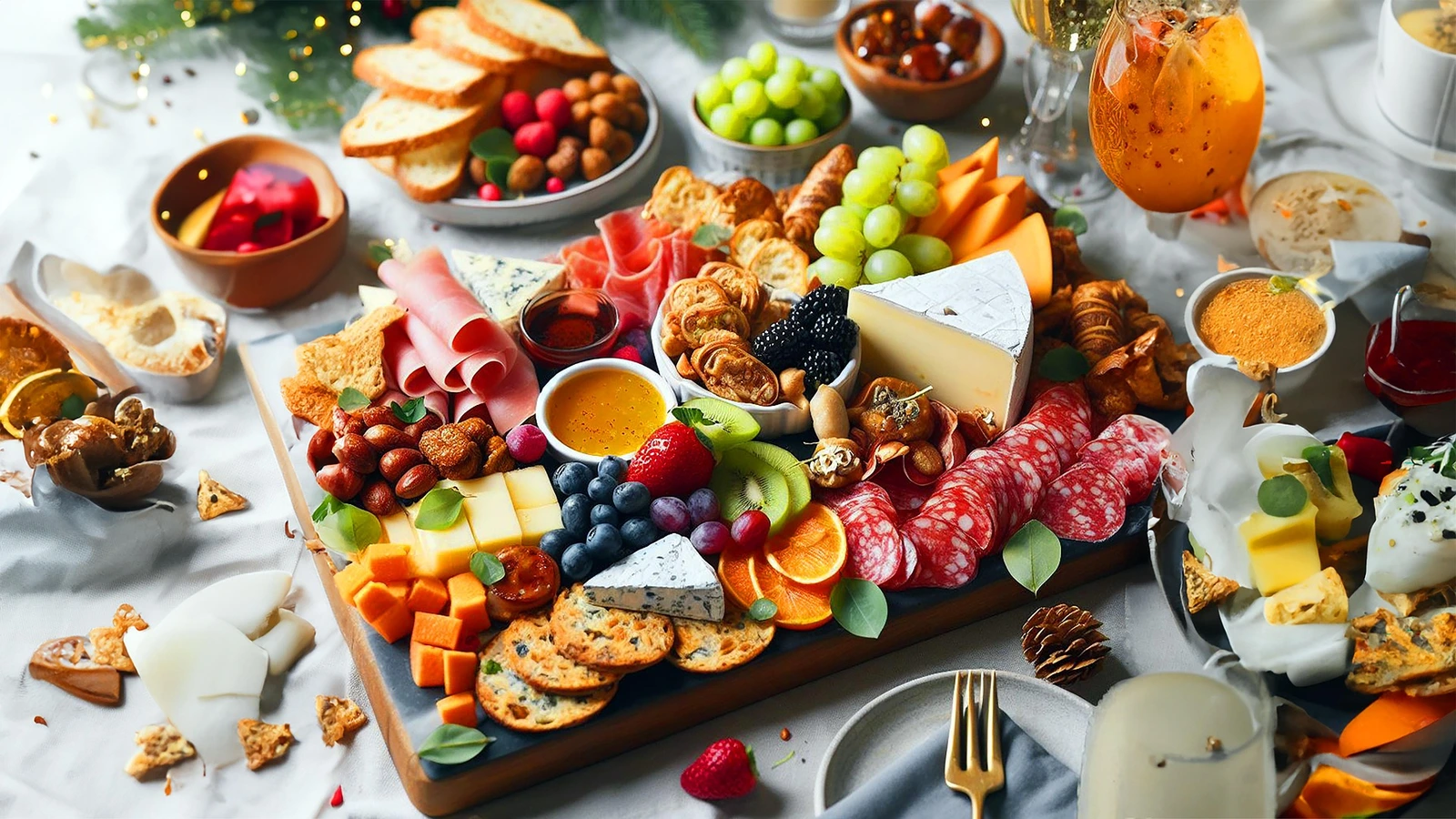
When designing a charcuterie board around summer themes, it is best to choose accompaniments that feel vibrant and fresh. This means that color is an important element, and that ingredients should not be packed together too closely. Room between items will help highlight your color choices, and you can always restock a board as you go! I will be giving you a few recommendations from each category of charcuterie elements, as well as a brief primer on how to arrange your board to impress guests.
Vegetables
Sliced cucumber offers a crisp and hydrating edge to play opposite saltier meats and creamier cheeses. The refreshing contrast is well-suited for an herbed cream cheese, fresh mozzarella, or goat cheese, but the floor of expectation is still quite high.
Snap peas are organically crunchy and sweet, something that complements strong dips, like hummus or an herbed cream cheese. They also pair nicely with creamy, rich, and nutty cheeses through flavor juxtaposition. A cheese like Havarti smooths the grassy notes of the snap peas, while a sharp cheddar wakes up the mild and sweet notes.
A radish’s peppery flavor profile and hearty, crisp texture will cut through fattier charcuterie elements and offer visual contrast to most meats, cheeses, and crackers. Salami, capicola, and mortadella all offer a backing for the radish that allows one to enjoy it, without the radish being too abrasive to the palate.
Fruit
Cherries can be any ratio of richness, sweetness, and tartness. This balances the salt content of cured meats and harder cheeses. They also offer a deep red color, something that contrasts nicely with the blonde visual profile of many cheeses, bread, and crackers.
Cubed watermelon has a high water content, making it both a refreshing palate cleanser and a good item to pair with salty and enigmatic ingredients. Feta and fresh mozzarella are good cheeses to pair with watermelon for a salty-sweet or creamy-crisp mouthfeel.
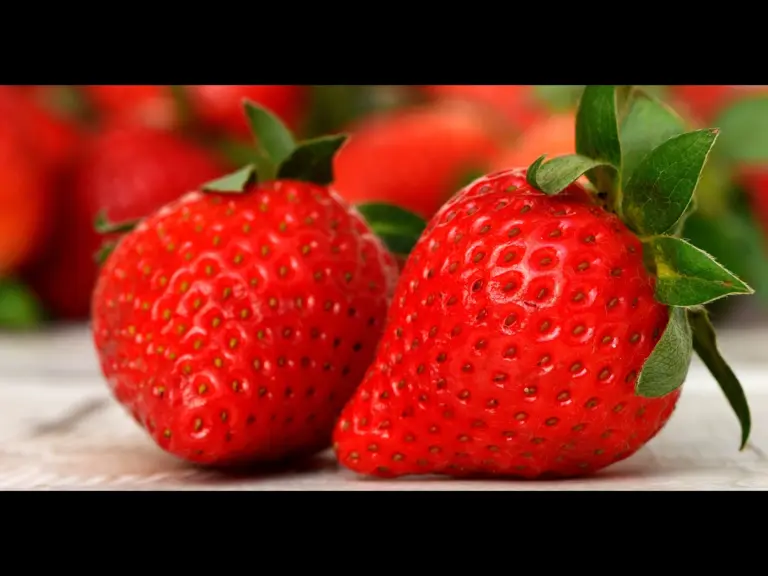
Strawberries are juicy and carry a vibrancy that will fill out the presentation of a charcuterie board. The sweet and tart profile matches nicely with creamier cheeses, like brie or goat cheese, rich and complex elements, such as dark chocolate or drunken cheeses. Savory meats like prosciutto offer a sweet and salty contrast that further the versatility the fruit offers.
Meat
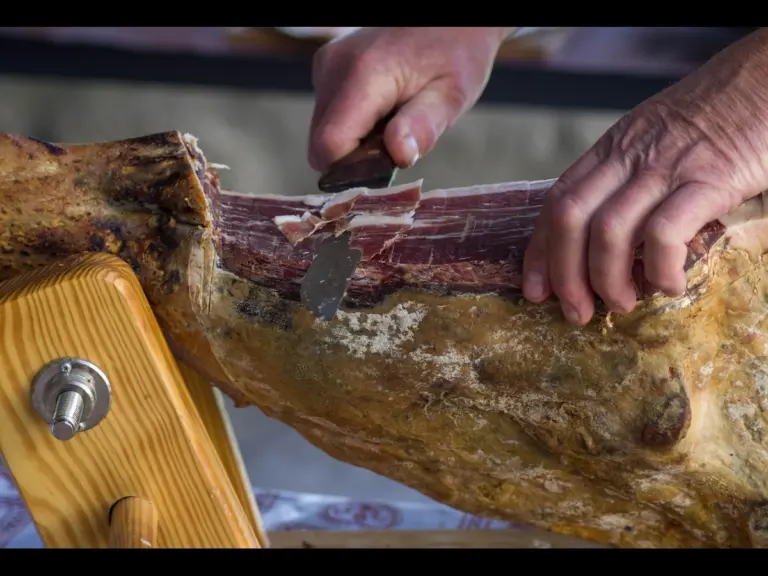
Prosciutto is a thinly sliced, cured meat from the hind legs of a pig. It is delicate and lightly salted compared to other cured meats. The silky texture pairs well with fresh cheeses like burrata or mozzarella, as well as a number of summer fruits. It can easily be paired with peaches, figs, strawberries, or cherries, making it arguably the most versatile cured meat option for a charcuterie.
Soppressata offers a unique experience, usually being spiced with pepper and dried chiles. This savory and spicy pairing works with sweeter fruits like figs, mild cheeses like Havarti or fresh mozzarella, and pickled vegetables. These all have flavors that can stand up to the spice or offer a satisfying textural experience.
Capicola is made from cured pork neck or shoulder. It has a steady marbling, lending to its texture and flavor. Suggestions for pairings vary based on variety, but smoky flavors from provolone or roasted peppers, the refreshment brought by cucumber or melon, or the salt and tang from brined or pickled food bolster the meat’s taste.
Cheeses
Fresh mozzarella is arguably the protagonist of this story. Its delicate flavor complements tart foods like tomatoes or peaches, savory cured meats, and refreshing elements like cucumbers and watermelon. It is what I would argue is the most adaptable cheese for summery foods.
Aged or sharp cheddar adds dimension without being too strong or funky. It balances the sweetness of most summer fruits and the richness and saltiness of cured meats. It offers a harder texture than most of the cheeses we’ve discussed thus far. This contrast stands up to candied nuts, grapes, cherries, and salami, making for a wide array of applications.
Gouda has a smooth and creamy texture, with the smoked variant offering a slightly drier mouthfeel. It is mellow and takes on caramel or nutty notes, which pair with a litany of options across fruits, nuts, meat, and crackers. An aged or smoked gouda has a slightly firmer texture and a deep, butterscotch flavor. These varieties offer a bridge between mild cheeses and more adventurous kinds.
Organize Your Charcuterie Board
When organizing a charcuterie board, it is a reliable rule to average three of each type of element you wish to showcase. That could be fruits, vegetables, meats, cheeses, crackers, nuts, herbs, spreads, sweets, and more. Between 3-5 cheeses, 2-4 meats, and 2-3 fruits and/or vegetables are a good baseline to work from, as well as something to stand a base for these elements, such as crackers. Again, do not crowd your board; more natural spacing creates a more visually pleasing board to work with.
