
Two Fresh and Trendy Drinks on Cafeteria Menus: Boba Tea and Agua Fresca

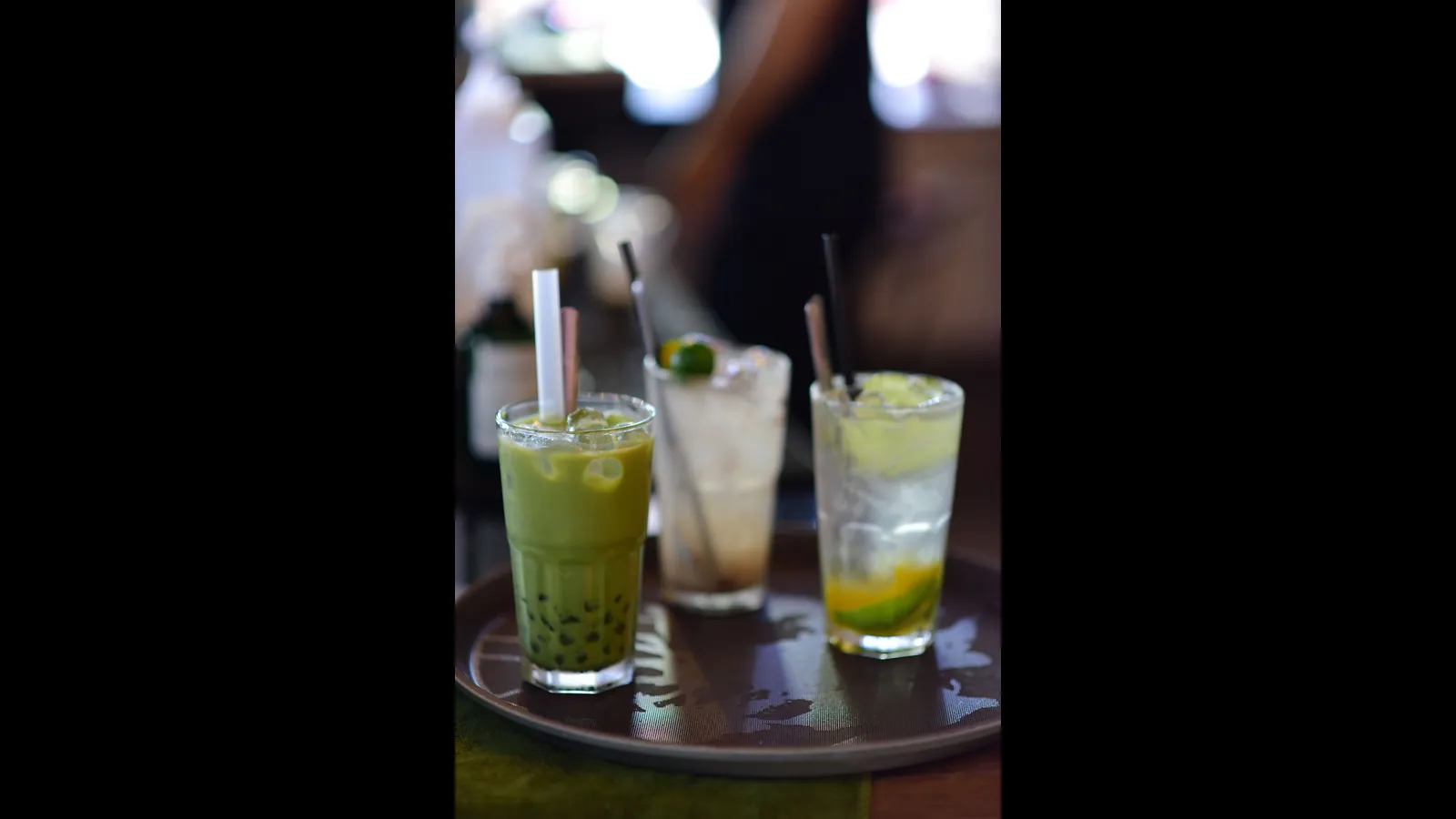
Eagle-eyed students have noticed boba tea and agua fresca beginning to appear as drink choices in the cafeteria. For some, school menus and campus offerings can feel static, stuck using staples from previous decades. But new, customizable, and trendy items have been making their way onto menus, and not just for their popularity. In an effort to curb the consumption of sugary soft drinks and offer variety, schools and universities have been gradually rolling out new drink choices that appeal to Gen Z sensibilities. Serving cafe-style drinks can keep student money on campus and potentially offer more cost-effective versions of trendy beverages.
Agua Fresca
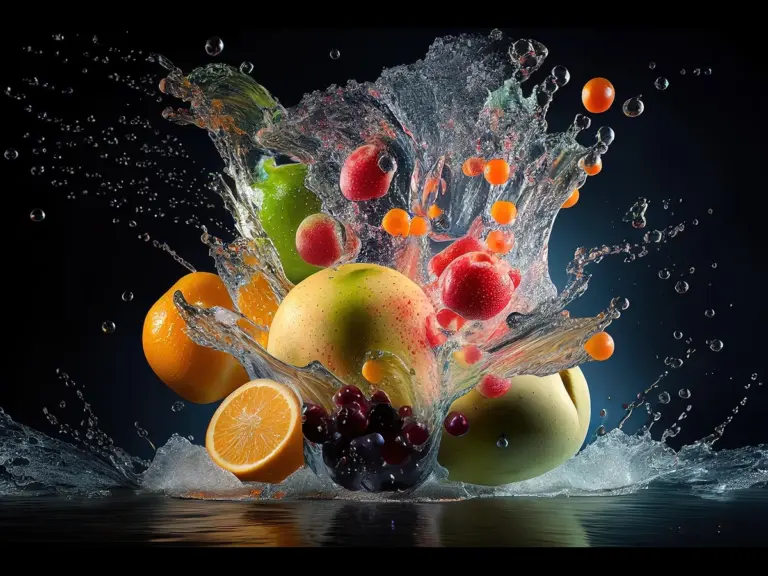
Agua fresca loosely translates to “fresh” or “cool water”. This drink style is ubiquitous in Mexico, but variations have become popular in the United States and parts of Latin America. Tracing its origins back to the Aztec Empire, agua fresca can now be found in almost every Mexican street market. It is a simple and cheap way of utilizing local ingredients while beating the summer heat. Fruits, seeds, grains, and flowers are muddled into water and sweetened with sugar, agave syrup, or condensed milk. There are a wide array of ingredients and flavors to play with, but among the most common are strawberry, watermelon, hibiscus, cucumber lime, mango, and cantaloupe.
Another reason agua fresca has proliferated as an option in schools is its economical preparation. The primary ingredients are water and fruit, the former of which is something schools already have on hand, and bulk, irregular, or seasonal produce can be sourced affordably. Agua fresca also forgoes the need for heavy sweeteners and commercial soda syrup. This low-cost production and operational efficiency has the added benefit of helping schools meet USDA Smart Snacks in School standards, which saves them money on non-compliance fees. Healthy food options for students raise eligibility for state, federal, and personal wellness grants.
Boba Tea
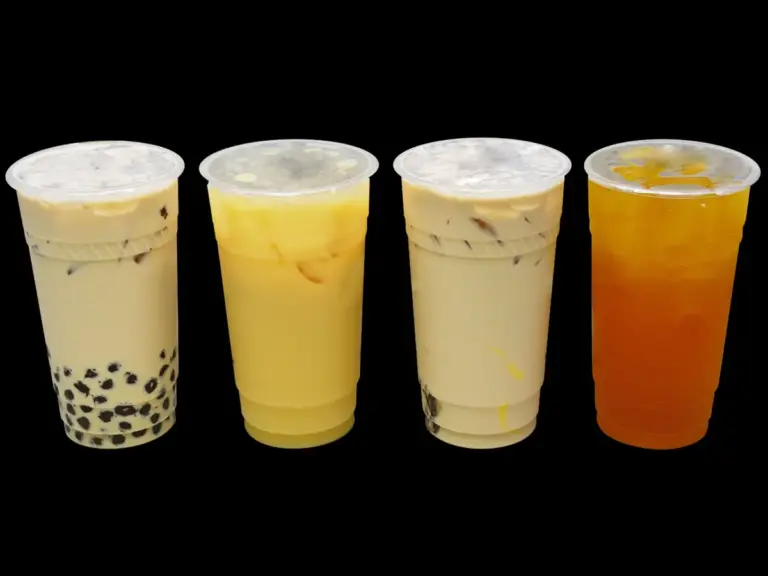
Boba tea was invented in Taiwan during the 1980s and gained a foothold across Asia during the 1990s. It arrived in America during the late 1990s and 2000s, but exploded in popularity during the 2010s. Boba tea is tea, usually oolong, green, or black tea, combined with milk or cream and boba pearls. Boba pearls are chewy spheres made from cassava root starch and brown sugar, cleverly blending a snack into a beverage.
Boba flavorings are flexible, but are often variations of the ingredients already listed. Regional ingredients have grown in prominence, namely Thai milk tea (using star anise, condensed milk, and cardamom), as well as matcha milk tea. In the 2000s and 2010s, refreshing fruit flavors like mango and passion fruit were introduced using fruit jellies and flavored syrups. These are a bit on the sweeter side and can add a brightness that normal boba tea doesn’t.
Boba does not offer the same comparative health advantage that agua fresca does, but it is another high-profit-margin drink made with simple ingredients and an increasingly automated preparation. Adding boba to a menu offers the customizability student demand calls for while utilizing quick-mix syrups and automated dispensers. USDA added-sugar rules limit standard boba tea recipes, but the drink serves as a reimbursable milk component that can directly unlock specific dairy-focused equipment grants.
Trends and Policies
School budgets are decided based on a near-infinite number of inputs and considerations. Both drinks leverage popular trends as a means of cost-saving and meeting demands. In the case of agua fresca, relative healthiness improves a school’s standing on compliance protocols and attaining or retaining grants. When discussing boba tea, growing ease of customization and efficiency of automation satisfy budgetary needs while meeting the demand of trends. Changes to school menus may feel like simple decisions, but they are often symptomatic of an institution trying to stay ahead of political, economic, and social trends.
