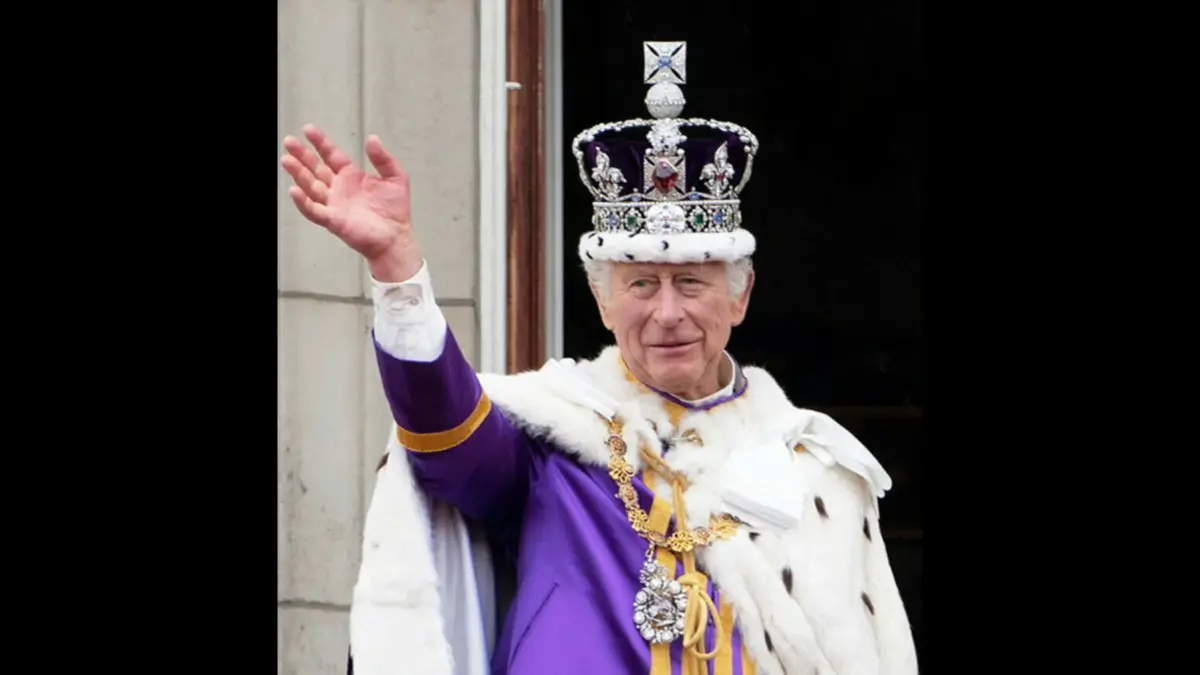
King Charles III confronted the legacy of slavery in a speech to Commonwealth leaders on Nov. 3, calling the transatlantic slave trade a “shameful chapter of history” as his nine-day Caribbean tour drew to a close amid renewed debate over Britain’s colonial history.
The king delivered the keynote address opening the Commonwealth Heads of Government Meeting in St. John’s, Antigua and Barbuda, where slavery, reparations and calls for a formal British apology dominated the run-up to the summit. Days earlier, a Buckingham Palace spokesperson said the king would address the transatlantic slave trade with “unflinching honesty” and “sincere sorrow.”
What the King Said
The roughly 15-minute speech confronted the history of slavery directly rather than treating it in passing. The King said the trade “fills my heart with horror and my soul with the most profound personal sorrow,” and he credited the Royal Navy with playing a leading role in ending it. He did not apologize.
The words built on earlier remarks. At the 2021 ceremony marking Barbados’ transition to a republic, he called slavery an “appalling atrocity” that “forever stains our history,” and in the Bahamas on Oct. 27, he told a youth rally: “It is only right that we should acknowledge the great suffering and injustices of the past.”
The king views the Commonwealth, a grouping of 56 nations, as a vehicle for change, according to the BBC. His speech tested how far that conviction translates into public language on an issue that has long strained relations between Britain and former colonies. He pointed to practical steps, including better access to education, investment in jobs and more trade among Commonwealth members.
A Tour Marked by History and Hard Questions
The king’s itinerary included a visit to Independence Park in Georgetown, Guyana, where 33 people involved in the 1823 Demerara Rebellion were hanged. In Antigua, he and Queen Camilla toured the museum at Government House, the former seat of colonial power that now traces the nation’s path from slavery to emancipation in 1834 and independence in 1981.
Beyond historical sites, the tour covered environmental issues, youth opportunities and trade ties with the U.K. It even produced a chance meeting with actor Idris Elba in Antigua.
The Palace’s Framing of the King’s Role
A senior palace aide described the balancing act facing the king on a tour that mixed ceremonial duty with unresolved colonial grievances. “His Majesty is well practised on the diplomatic tightrope,” the aide said. “He sees it as his role to ‘bat for Britain,’ the realms and wider Commonwealth.”
That framing held in Antigua, where the speech walked a line between acknowledging historical wrongs and maintaining Britain’s standing within the Commonwealth. Before the tour, ministers had not advised the king to apologize or commit to reparations, in keeping with long-standing UK government policy that such decisions are matters for ministers, not the monarchy. That policy is now shifting: Prime Minister Andy Burnham has said he is open to discussing a formal apology while ruling out reparations, and a palace spokesperson said it would not be appropriate for the king to announce a change in government policy.
Health and the Road Ahead
The king, who was diagnosed with cancer in February 2024, has kept up a demanding travel schedule. In December 2025, he announced that thanks to early diagnosis and effective intervention, his treatment would be reduced in the new year, with the palace saying his care would move into a “precautionary phase.” He will celebrate his 78th birthday on Nov. 14.
The tour wrapped up Nov. 4. With the speech now delivered, the question of a formal apology rests with ministers in London, not the palace.
 Don't stop here
Every Score. Every Story. One Home.
Breaking sports, entertainment and news from across the Total Apex network, updated all day.
Get the Full Story →