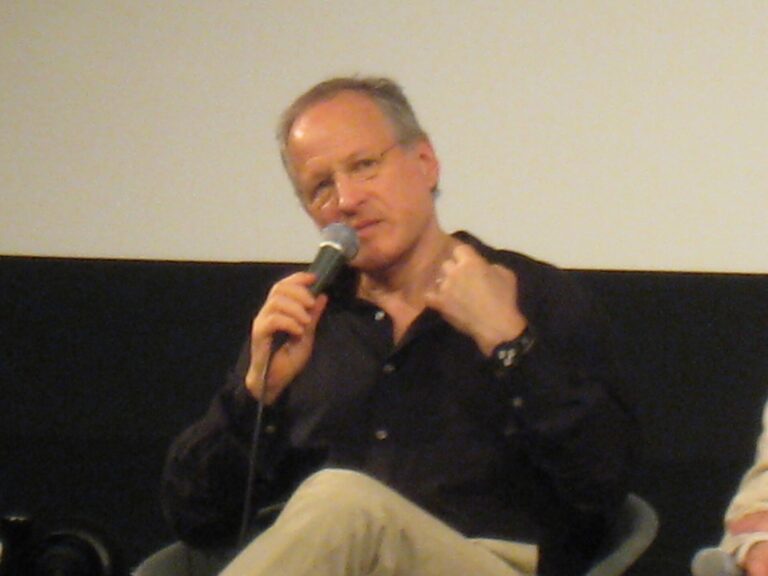
Juan Atkins, the Detroit producer and DJ widely credited as a co-founder of techno, has died at 64. His agency, Greensmith Artists, announced his death Nov. 1.
Atkins was found unresponsive in his Mexico City hotel room ahead of a scheduled set at Yu Yu Cine Club and was pronounced dead at a hospital, a Greensmith representative told Resident Advisor. He died Oct. 31, according to Pollstar and the Detroit Free Press.
What we know about his death
No official cause of death has been announced. Friends and colleagues told the Detroit Free Press that Atkins died in his sleep, and the paper reported he had dealt with diabetes-related complications in recent years. Those complications have not been officially linked to his death.
The club said on Instagram that his Oct. 31 appearance was canceled before news of his death broke, NBC News reported.
Fellow Detroit techno pioneer Kevin Saunderson called him “the originator of Techno, a true visionary who opened the door for so many of us, myself included.” Greensmith said in a tribute, “Juan became family. He was our brother.”
From Belleville to Cybotron
Atkins was born in Detroit on Sept. 12, 1962, the son of a concert promoter, and moved to nearby Belleville, Michigan, after his parents split. There he met Derrick May and Saunderson at school.
He got his first synthesizer, a Korg MS-10, at 15. His grandmother bought it for him, The Guardian reported. By 18, he had formed Cybotron with Richard “3070” Davis, blending funk, electronic instrumentation and futuristic themes.
Cybotron’s 1983 single “Clear” became the group’s breakthrough, reportedly selling 50,000 copies. Missy Elliott later sampled it on her 2005 hit “Lose Control,” carrying a Detroit electro record onto pop radio.
The group released its debut album, “Enter,” in 1983, but Atkins left in 1985 after creative differences with Davis, who wanted a more rock-oriented sound. Davis kept the name and released “Empathy” in 1993 and “Cyber Ghetto” in 1995 without him.
How Juan Atkins named techno
Atkins launched his Metroplex label in 1985 and began recording as Model 500, releasing the foundational track “No UFO’s.” His 1988 track “Techno Music,” featured on the compilation “Techno! The New Dance Sound of Detroit,” gave the genre its name.
“I know I’m the first one to apply the word techno to electronic music,” he told The Guardian in 2024. “I can’t claim to be the inventor or originator of electronic music, but I can definitely say that I got that.”
He, May and Saunderson became known as the Belleville Three, the trio widely credited as the architects of Detroit techno.
In that same interview, Atkins was asked whether techno is political. “I don’t necessarily” believe so, he said, “but I make social statements. My lyrics are supposed to make you think about something other than shaking your booty on the dancefloor and falling in love. I feel like artists have an obligation to say something meaningful.”
Still touring in his final years
Atkins kept working well into his 60s. He recorded with Moritz von Oswald as Borderland, played Cybotron’s first live show in London in 2019 and released new Cybotron music on Berlin’s Tresor label in 2023.
He played Tresor’s 34th anniversary in March 2025, had a celebrated live set at Glastonbury that year and was booked at Signal in Brooklyn that December. In 2026, he played Detroit’s Movement festival with Borderland and Amsterdam’s Dekmantel festival. His last show was Oct. 23 at Q-Factory in Amsterdam, according to Pollstar.
What’s next
Greensmith founder Dragan Greensmith asked that the family’s privacy be respected. No memorial plans had been announced publicly as of publication, though Detroit Mayor Mary Sheffield said, “Detroit will honor his memory, and his music will keep moving us forward.”
For more news on the artists you love, follow our music coverage.
 Don't stop here
Every Score. Every Story. One Home.
Breaking sports, entertainment and news from across the Total Apex network, updated all day.
Get the Full Story →