Gaming
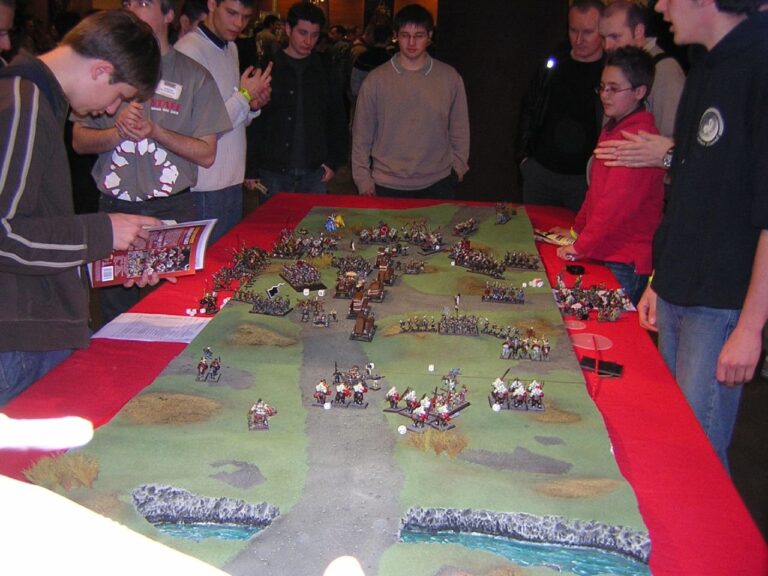
Entropy RPG brings brutal permadeath from 1 tabletop classic
The Entropy RPG uses an endless pool of hired mercenaries to make permadeath work, lead developer James Wragg told PC Gamer. Here is how…
RPG games news and guides, covering role-playing games from JRPGs to Western open-world titles.
Baldur's Gate 3 reset the baseline for what a CRPG can be, and the ripple effects are still showing up: Larian walked away to build something new, and a wave of smaller studios (Owlcat with its Pathfinder and Warhammer 40K games, Sandfall Interactive's Clair Obscur: Expedition 33) have proven the CRPG revival wasn't a one-off. Meanwhile the action-RPG side keeps chasing the FromSoftware template Elden Ring set, with Lies of P and a steady stream of soulslikes leaning on punishing combat as a design shorthand for "prestige." On the JRPG side, Final Fantasy VII Rebirth and Metaphor: ReFantazio showed Square Enix and Atlus still know how to make a big-budget turn-based or hybrid RPG land with a mainstream audience, while live-service RPG hybrids keep bolting gacha and battle-pass systems onto single-player-feeling frameworks.
What's actually working is specificity: games that commit hard to one reactive system (Baldur's Gate 3's turn-based consequence engine, Expedition 33's parry-timing twist on turn-based combat) outshine anything trying to be all things to all players. What's stagnant is the open-world action-RPG checklist — skill trees, crafting, loot tiers, map markers — that keeps getting pasted onto games whose actual hook is narrative, and it's long past time someone admitted a 25-hour RPG with a real ending beats a 90-hour one padded with filler side quests. The live-service RPG experiment, meanwhile, has mostly either flopped or quietly pivoted back toward single-player content, which tells you where the audience's patience actually sits.
Watch the CRPG lane keep growing as studios realize reactive writing is cheaper to iterate on than open-world systems design, and watch Japanese developers keep exporting hybrid turn-based/action combat (the Metaphor/Expedition 33 lineage) as the genre's most interesting mechanical frontier. The next real test is whether a major publisher can ship a Baldur's Gate 3-scale RPG without either gutting its ambition for a live-service model or burning out its own studio doing it.
Role-playing games (RPGs) center on character progression, choice-driven storytelling, and systems like leveling, skill trees, and inventory management inherited from tabletop games like Dungeons & Dragons. The genre spans many distinct traditions, including Japanese RPGs (JRPGs) like Final Fantasy, Western-style RPGs like The Elder Scrolls, and tactical or turn-based RPGs that emphasize strategic combat.
Modern RPGs frequently blend elements from multiple traditions, and the genre remains one of the most consistently popular in gaming, prized for the depth of its worldbuilding and the sense of player investment it builds over long campaigns.
Dungeons & Dragons is first published, establishing the stats, leveling, and turn-based mechanics later adapted into video game RPGs.
Early computer RPGs directly adapt tabletop conventions, including character stats and turn-based combat.
Final Fantasy VII introduces many Western console players to the Japanese RPG genre at a mainstream scale.
World of Warcraft expands RPGs from single-player adventures into persistent online worlds with millions of players.
Baldur's Gate 3 resets expectations for what a CRPG can be, sparking a wave of reactive, choice-driven RPGs from smaller studios.
| Franchise | Style | Notes |
|---|---|---|
| Final Fantasy | JRPG | One of the most influential and long-running JRPG franchises |
| The Elder Scrolls | Western RPG | Known for deep player freedom and open-world exploration |
| Dragon Age | Western RPG | BioWare's fantasy series known for narrative choice and companions |
| Persona | JRPG | Blends social-simulation elements with turn-based combat |
| Genre roots | Video game RPGs trace their mechanics directly to tabletop games like Dungeons & Dragons, first published in 1974 |
|---|---|
| Commercial scale | RPG franchises including Final Fantasy, The Elder Scrolls, and Pokémon rank among the best-selling video game series of all time |
| Compared To | Key Difference |
|---|---|
| Action games | RPGs typically emphasize character growth, stats, and narrative choice over pure reflex-based combat, though many modern action-RPGs blend both styles. |
| JRPGs vs. Western RPGs | Japanese RPGs (like Final Fantasy) have traditionally favored tightly scripted stories and turn-based combat, while Western RPGs (like Elder Scrolls) have leaned toward open-ended exploration and player-driven character builds. |
Early computer RPGs in the late 1970s and 1980s directly adapted rules and conventions from tabletop games like Dungeons & Dragons, including stats, leveling, and turn-based combat.
Final Fantasy VII's 1997 release is widely credited with introducing many Western console players to the Japanese RPG genre at a mainstream scale.
Massively multiplayer online RPGs like World of Warcraft expanded the genre from single-player adventures into persistent online worlds with millions of simultaneous players.
JRPGs, largely developed in Japan, traditionally favor more structured stories and turn-based combat, while Western RPGs often emphasize open-ended player choice and real-time or tactical combat, though many modern games blend both traditions.
Most RPGs include some form of character progression, such as leveling up stats or unlocking new skills, though the specific systems vary widely between games.
RPG stands for role-playing game, a genre centered on character progression, stats, and often narrative choice, rooted in tabletop games like Dungeons & Dragons.
JRPGs traditionally favor scripted, turn-based storytelling (as in Final Fantasy), while Western RPGs tend toward open-ended exploration and character customization (as in The Elder Scrolls).
The Entropy RPG uses an endless pool of hired mercenaries to make permadeath work, lead developer James Wragg told PC Gamer. Here is how…
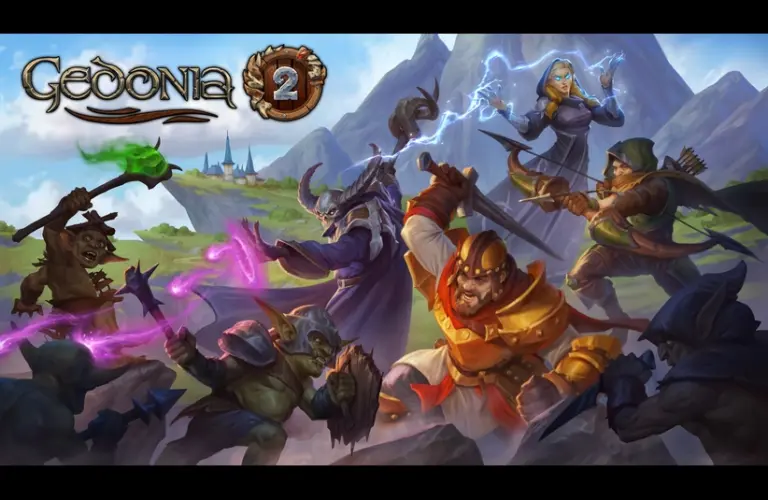
The first thing that hits you when stepping into Gedonia 2 is how much bigger and more confident it feels compared to the original.…
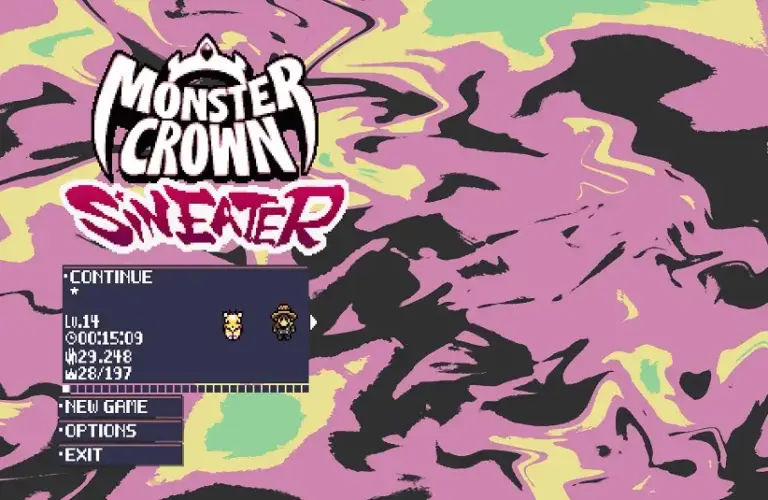
I am going to preface this by saying that this is solely based on opinions after approximately 15 hours playing Monster Crown: Sin Eater.…
Do you ever find yourself sitting around, staring at your massive backlog of games, wishing you had just one more incredibly stressful, high-stakes tactical…
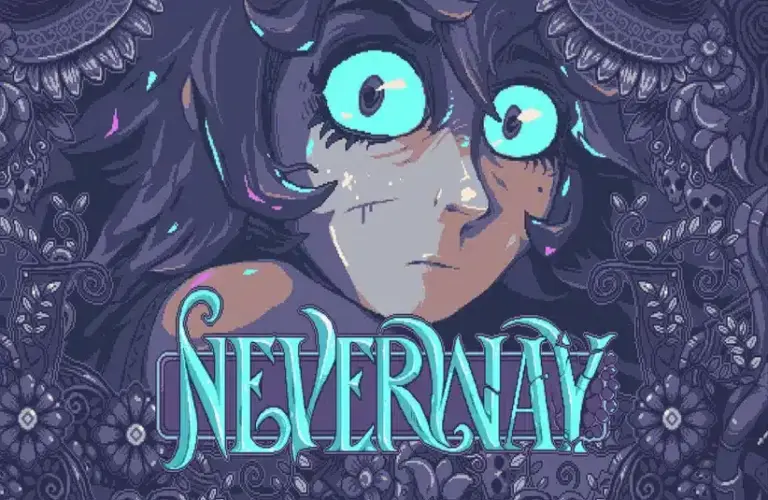
Neverway is the newest RPG horror game coming out this October, and the demo is available to play now. Neverway follows Fiona, a woman…
Under the Island is an action RPG that takes place on, you guessed it, an island. As with most action RPGs, you explore, you…
The next Pokémon generation isn’t just another batch of creatures, regions, and starter‑picking anxiety — at least not according to Tsunekazu Ishihara. The president…
JRPGs aren’t just games — they’re emotional commitments. They’re the reason you’ve cried at 3 a.m. over fictional characters, the reason your backlog is…
JRPG fans are built different. We’ll replay a 60‑hour classic on hardware that sounds like it’s about to take flight, all because the game…
JRPGs have a reputation for being 100‑hour epics that demand a blood oath and a Google Calendar rework. But not every game in the…
JRPGs have a reputation for being long — like “you’ll finish this sometime in the next presidential administration” long — but some of them…
The team behind Persona has been busy reflecting on their latest fantasy adventure, Metaphor: ReFantazio, and it turns out the project did more than…
The next Pokémon generation isn’t just another batch of creatures, regions, and starter‑picking anxiety — at least not according to Tsunekazu Ishihara. The president…
JRPGs aren’t just games — they’re emotional commitments. They’re the reason you’ve cried at 3 a.m. over fictional characters, the reason your backlog is…
JRPG fans are built different. We’ll replay a 60‑hour classic on hardware that sounds like it’s about to take flight, all because the game…
JRPGs have a reputation for being 100‑hour epics that demand a blood oath and a Google Calendar rework. But not every game in the…
JRPGs have a reputation for being long — like “you’ll finish this sometime in the next presidential administration” long — but some of them…
The team behind Persona has been busy reflecting on their latest fantasy adventure, Metaphor: ReFantazio, and it turns out the project did more than…
Are you team isometric RPGs? You may be if you have ever hovered over a digital battlefield from that classic three-quarters angle and thought,…
If you were watching The Game Awards 2025 hoping for a cozy, wholesome reveal from the folks who brought us Baldur’s Gate 3, well,…
GamesRadar captured the mood perfectly: one fan declared, “If Divinity is not a turn‑based CRPG, I will eat a raw potato.” Yeah, not exaggerating…
The grand, pattern-based boss fights in games like “Dark Souls” and “Monster Hunter” were initially an inspiration for ARC Raiders. The development team at…
Every franchise has that one entry where you can feel the developers flexing their design muscles. For Assassin’s Creed, that moment is Shadows. Ubisoft’s…
French and sexy are two adjectives Clair Obscur: Expedition 33 actors Ben Starr and Jennifer English use to describe the hit RPG. Ben Starr,…
The first thing that hits you when stepping into Gedonia 2 is how much bigger and more confident it feels compared to the original.…
I am going to preface this by saying that this is solely based on opinions after approximately 15 hours playing Monster Crown: Sin Eater.…
Do you ever find yourself sitting around, staring at your massive backlog of games, wishing you had just one more incredibly stressful, high-stakes tactical…
Neverway is the newest RPG horror game coming out this October, and the demo is available to play now. Neverway follows Fiona, a woman…
Under the Island is an action RPG that takes place on, you guessed it, an island. As with most action RPGs, you explore, you…
Outer Worlds 2 arrived in late 2025 with a swagger only Obsidian could pull off: sharp writing, corporate dystopia, and a progression system that’s…
Are y’all looking for a fresh horror game that will make your skin jump off ya and crawl away? Harebrained Schemes is bringing in…
Alright, adventurers, gather ‘round. Let’s talk about Dark Quest 4, the latest turn-based strategy RPG from Brain Seal Ltd. Have you ever wanted to…
After months of dancing around with the placeholder “Project Pantheon,” Wolcen Studio has finally decided to grace us with the real deal. Say hello…
You’re probably thinking, “Seriously? Minecraft? That game my nephew not only plays but watches thousands of hours of OTHER people playing it?” Yep! That’s…
When you think about JRPGs, your mind probably jumps straight to Final Fantasy, Dragon Quest, or maybe even Persona. You know, games filled with…
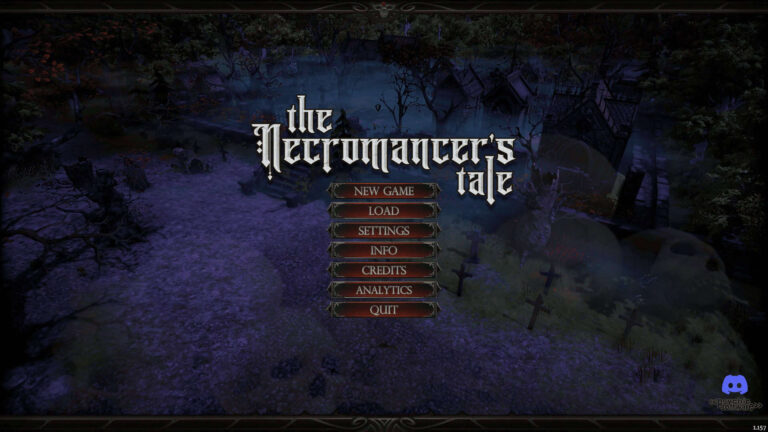
The Necromancer’s Tale is a story-based RPG that delves into the world of the occult. After creating your character’s backstory, you return to your…
The Unsupervised Science walkthrough for Control Resonant covers all six Testing Facilities, soda machine puzzles and the Untapped Scrunchie reward.
The Aion 2 Ascension Gauge is a progression gate that blocks your path through the main story Episodes, forcing you to complete optional side…
All 10 active Aniimo codes for September 2026 deliver free Glimmer, Credits, Growth Flowers, and Aniipods. Redeem them now before they expire.
If you went into Where Winds Meet expecting nothing but high-octane martial arts duels, frantic rooftop chases, and those dramatic, rain-soaked wuxia standoffs, you…
If you have spent any significant amount of time wandering the gorgeous landscapes of Where Winds Meet, you are likely already familiar with the…
Fortnite features an entire unspoken dress code for its most competitive players, who are often labeled “sweats.” For these players, these specific character skins…
If you’re looking to turn Karlach, the fiery heart of your “Baldur’s Gate 3” party, into an absolute wrecking ball, you’ve come to the…
In the sprawling, martial arts-infused world of Where Winds Meet, you usually spend your time slicing through enemies with graceful swordplay. But sometimes, being…
While navigating the corporate-dominated expanse of the galaxy in The Outer Worlds 2, your ship, the Incognito, serves as your home base. While you…
The Bench Was Supposed to Be Safe There’s a special kind of rage reserved for games that betray your trust. Not because they’re hard.…
In Battlefield 6, mastering your class goes beyond just picking the right weapon. Gadgets are the tools that define your role on the battlefield,…
In the rock-paper-scissors world of Battlefield 6, nothing counters the overwhelming power of a vehicle like a skilled Engineer. This class is the backbone…
The live-action adaptation of Dungeon Crawler Carl will begin shooting in 2027, according to Variety. Author Matt Dinniman and Universal Television…
Amiko Legends is a creature-collecting extraction RPG from Aurory. A free demo went live on Steam on Oct. 7, 2026, and the full game…
Triple-I Initiative October Showcase 2026 delivered a pile of game announcements that nobody asked for and everybody needed. The Triple-I Initiative has once again…
Modders have done what Pearl Abyss could not, or would not, or kept saying it was too hard to do. A functional co-op mod…
The Denpa Men will end service Dec. 7 at 11:00 JST (Dec. 6, 9 p.m. ET). Genius Sonority announced shutdown; refunds for unused Jewels…
Get the Ocarina of Time pre-order deal at $10 off, plus five more gaming sales on MLB The Show 26, Shuten Order, Metroid Prime…