
3 Powerful City‑States That Make City States: Medieval a Must‑Play Strategy Experience

Let us be honest for a second. We have all played those massive grand strategy games where you spend 40 hours painting the map your faction’s color, only to realize the endgame is just a tedious management simulator. You are exhausted, your peasants are exhausted, and your mouse is begging for mercy. Enter City States: Medieval, a fresh take from Reverie World Studios and Indie.io that asks a simple question. What if you just focused on making one single city absolutely incredible? Available now in Steam Early Access, this hybrid real-time strategy game shrinks the map but cranks up the pressure, putting you in the shoes of a local ruler desperately trying not to get crushed by giant neighboring empires.
A Fresh Perspective on City States
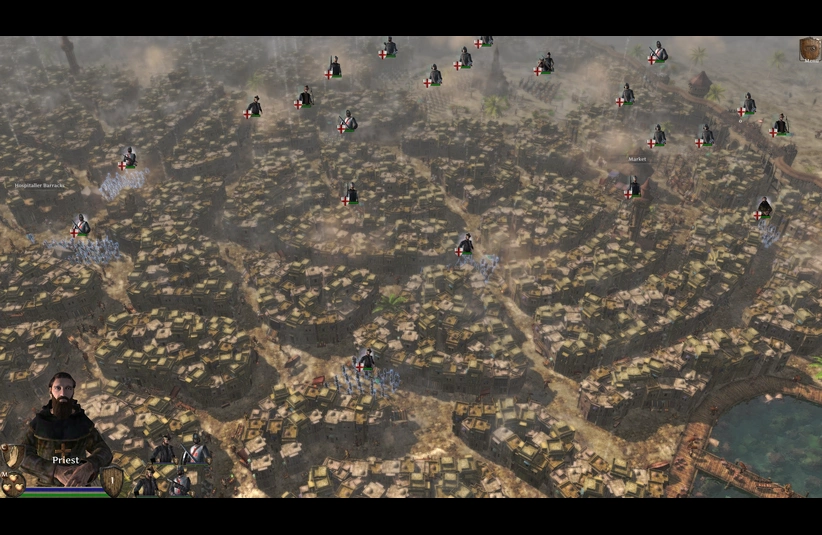
In most historical strategy games, City States are basically just speed bumps for your massive armies. But in City States: Medieval, you are the speed bump, and you have to find a way to become a very expensive, heavily fortified speed bump. Set in the dynamic and highly unpredictable 12th century, the game lets you take control of one of three distinct mercantile hubs. You can play as Genoa, dealing with the fractious politics and trade of the Italian Peninsula.
You can take the reins of Granada in Andalusia, where you have to balance your internal economy with the constant threat of encroaching Christian kingdoms. Or you can head east to Novgorod, trying to build an economic powerhouse while constantly swatting away nomadic raiders and hostile principalities. Managing these City States is no walk in the park, but it brings a level of human emotion and desperate survival to the genre that is incredibly refreshing.
Master Trade Routes to Grow Your City States
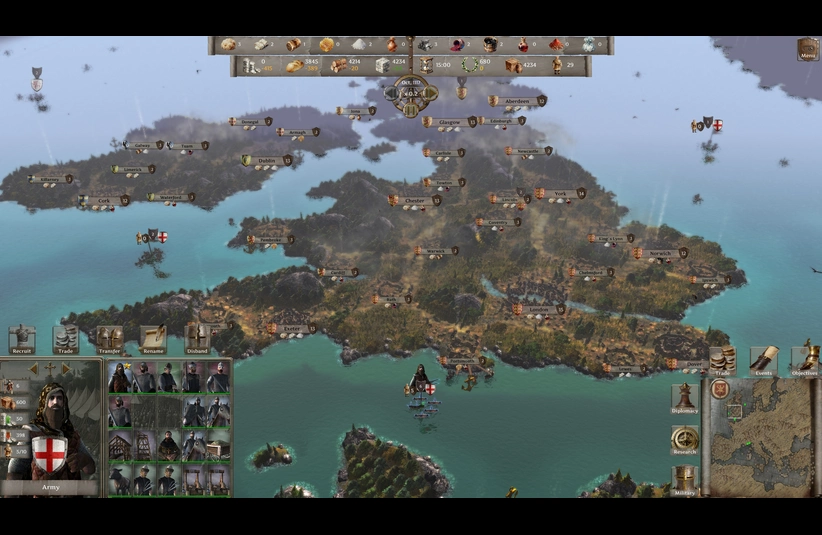
A city is only as good as its treasury, and making money is where City States: Medieval truly shines. Trade is the absolute lifeblood of your survival. You will need to chart trade routes and establish outposts across the known world, from Europe to North Africa and the Middle East. The game features twelve distinct commodities, including wool, linen, spices, honey, and silk. Every time you secure a new trade route, your wealth and prominence grow.
However, there is a catch. The richer your City States become, the more attractive they look to rival powers who would rather take your gold than trade for it. It creates this constant, terrifying balancing act. You are thrilled when your spice trade starts booming, but then you realize that same wealth just painted a giant bullseye on your city walls.
The Hero Mechanic Redefines RTS Combat
Perhaps the most fascinating addition to City States: Medieval is the hero system. In the High Middle Ages, great leaders shaped history, and your customized ruler is no exception. This mechanic fundamentally changes how you interact with the game. Your leader grows in skill and experience alongside your city, but they can only be in one place at a time.
If you send your hero out on an expedition to secure new markets or negotiate at foreign courts, your city is left vulnerable. Without your hero present on the battlefield, you cannot issue detailed tactical commands, meaning you are stuck giving high-level, macro orders.
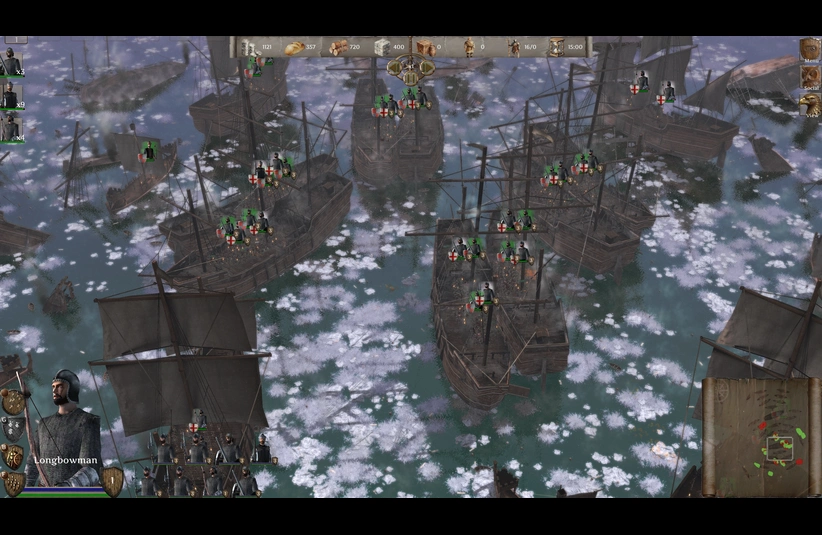
But when your hero is on the frontlines, the game opens up. You get full control over your units, blending traditional real-time strategy combat with some seriously brutal tower defense mechanics. The sieges feel heavy, chaotic, and satisfying, looking like a battle ripped straight out of a movie like “Kingdom of Heaven” but entirely under your control. Every decision feels like a massive risk, forcing you to choose between expanding your global influence or staying home to fortify your walls.
Expanding Your Influence in Early Access
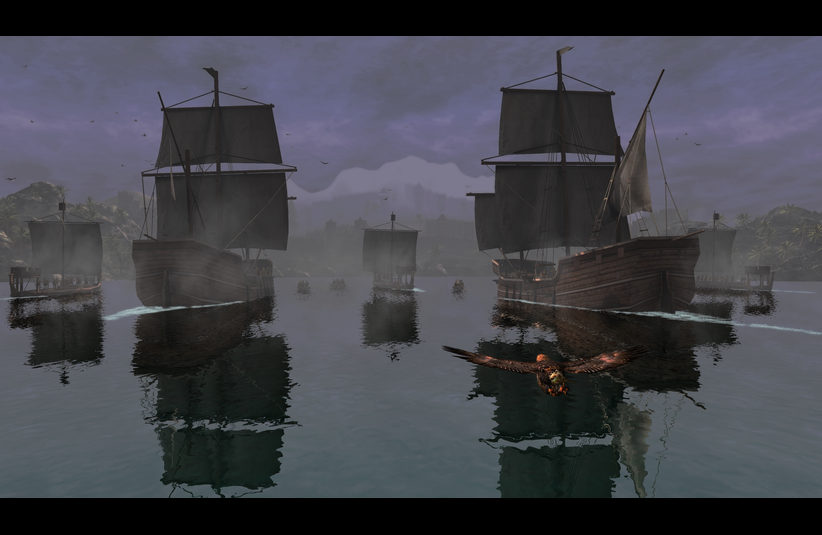
Right now, City States: Medieval is sitting comfortably in Steam Early Access, and the community is already loving it. The game currently boasts a flawless positive rating, with players praising the immersive graphics, the stellar voice acting, and the detailed castle designs. Fans of old-school games like Age of Empires will find a lot to love here, though the blend of diplomacy, city building, and tactical warfare gives it a flavor entirely its own.
Reverie World Studios has a solid track record, having built a proprietary next-gen game engine and successfully launched five previous titles. They are clearly pouring that expertise into making sure these City States feel vibrant, alive, and historically grounded.
At its normal price of $19.99, it is a very reasonable entry fee for a game with this much strategic depth. You get to experience the highs of establishing a sprawling trade network and the sheer panic of seeing an enemy army march toward your gates.
It is a brilliant mix of grand strategy concepts boiled down into a highly focused, highly stressful city builder. If you are tired of managing a hundred different provinces and just want to turn one patch of land into the jewel of the medieval world, this is a challenge worth taking on. Just remember to build some walls before you start hoarding all that silk.
To stay updated on more gaming news, breakdowns, and spicy takes on the state of competitive play, make sure to follow me across all my socials. You can find everything in one place at https://linktr.ee/Chefskullz. Come hang out, stay informed, and join the conversation.
