
‘Unmasking the Islamic State’: The Book That Explains How ISIS Thinks, Believes and Operates


The great book “Unmasking the Islamic State” by Patrick Sookhdeo reveals the motivation, theology, and end-time predictions. It is expertly written and helps explain the motivations of the group that upended the world’s peace. The book has a helpful 50-page appendix that, among other things, differentiates the group from Al-Qaeda. There was a lot of tension between Al-Qaeda and ISIS, and this great book has a table in the appendix that differentiates the groups.
Sookhdeo is a true expert, and the plaudits at the beginning of this book are from James Woolsey, a former director of the CIA, Major General Tim Cross, a British Military Deputy, Kenneth deGraffenried, a Professor Emeritus at the Institute of World Politics, and Undersecretary of Defense for Policy and former Deputy for National Counterintelligence. With luminaries like that, the reader knows this is a good book. Do you think “Unmasking the Islamic State” is the most authoritative book on ISIS ever written?
“Unmasking the Islamic State” Summary
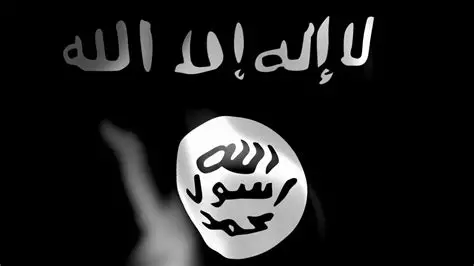
“Unmasking the Islamic State” is a great and readable book. It contains all one needs to know about the group and its ideology. This is important because the violent ideology could re-emerge. Sookhdeo argues the Islamic State is a well-oiled machine that benefits from the combination of jihadi ideals and Ba’athist organizational principles. He says it is a mistake to think ISIS being down now means it will be down forever, which means it could re-emerge. He further says it rose from powerful ideological factors, and they still exist, as long as the Geopolitical environment is exploitable. This includes power vacuums in several majority-Muslim countries. Finally, he warns not to imprison its members with anyone who can help them.
There are several interesting topics covered in this book, such as ISIS’s geopolitical strategy and its idea of jihad. The interesting concept ISIS pioneered is the “grayzone,” which refers to the space they aimed to exploit between populations, governments and conflict zones. This is the void they hoped to exploit. This great book includes an organizational chart of ISIS, complete with an examination of its military and financial components. There is also an examination of what it is like to live under ISIS rule. Lastly, an explanation of ISIS’s global reach.
The Useful Appendices
There are three great appendices in this book. They begin on page 121 and go for almost 50 pages. They are chock-full of useful information. The first appendix compares ISIS with Al-Qaeda in a table. Many people incorrectly group all Islamic fundamentalists. That would be a mistake. There was tension between ISIS and Al-Qaeda. This table explains why, and it is a little surprising that the United States was not able to drive a deeper wedge between these two groups.
The second appendix was a map of ISIS and all of its affiliates. This is also useful; it is great to see the global extent of ISIS and its affiliates. It is reproduced here. Most of these affiliates are now defunct, but they could re-emerge.
The third appendix is the ISIS declaration of their caliphate. One can get a sense of what motivated adherents to the group. There is a strong reliance on Allah (or God) in the declaration. There are also numerous references to violence and the sword.
Why You Should Read This Book
This book should be read by anyone who seeks to understand the terrorist group called ISIS. A great job is done by the author in explaining the origins and organization of ISIS. Because the book may again re-emerge, it is important to know the factors that gave rise to the group. The map of the global affiliates does a great job showing which areas of the world are most vulnerable to this threat.
